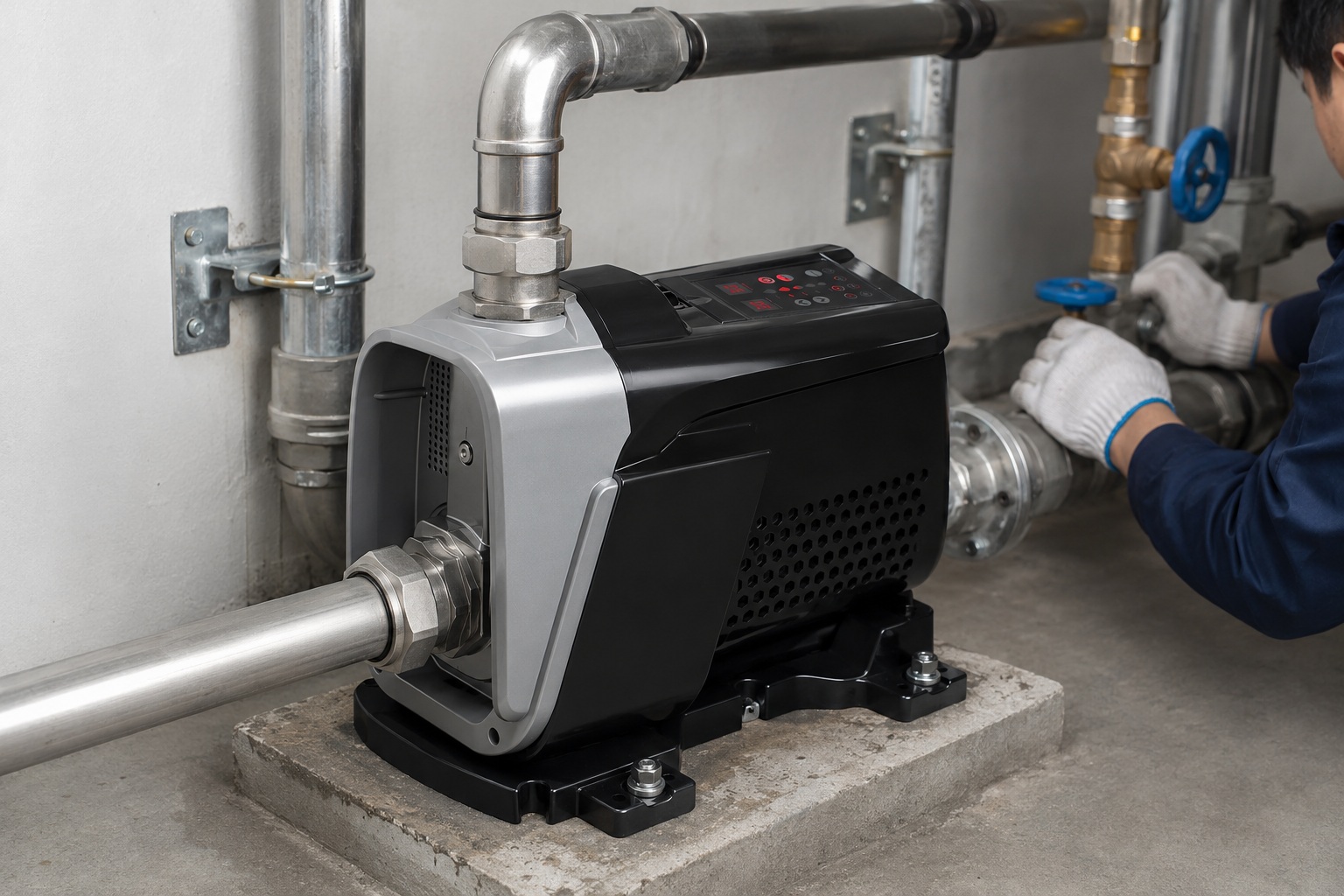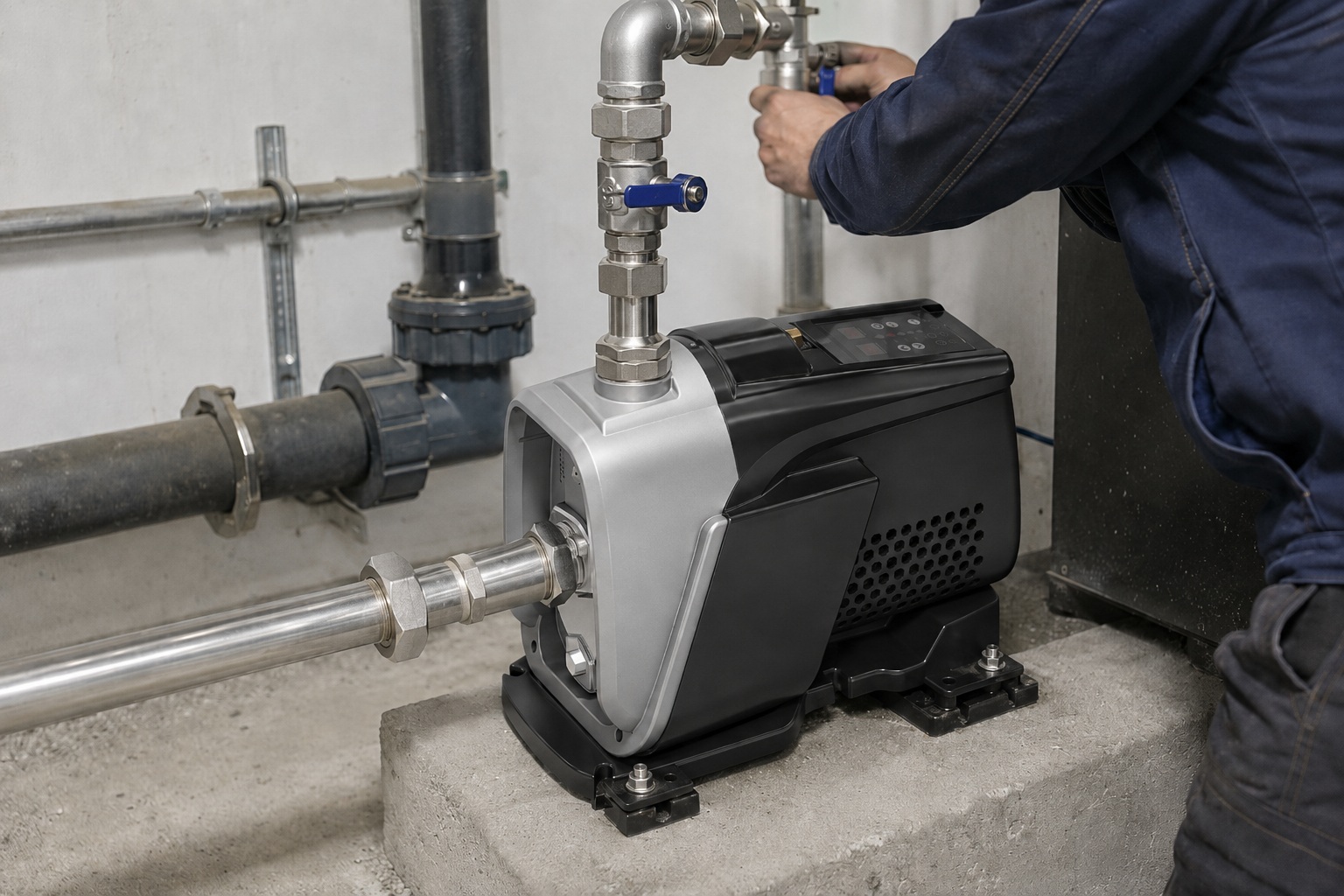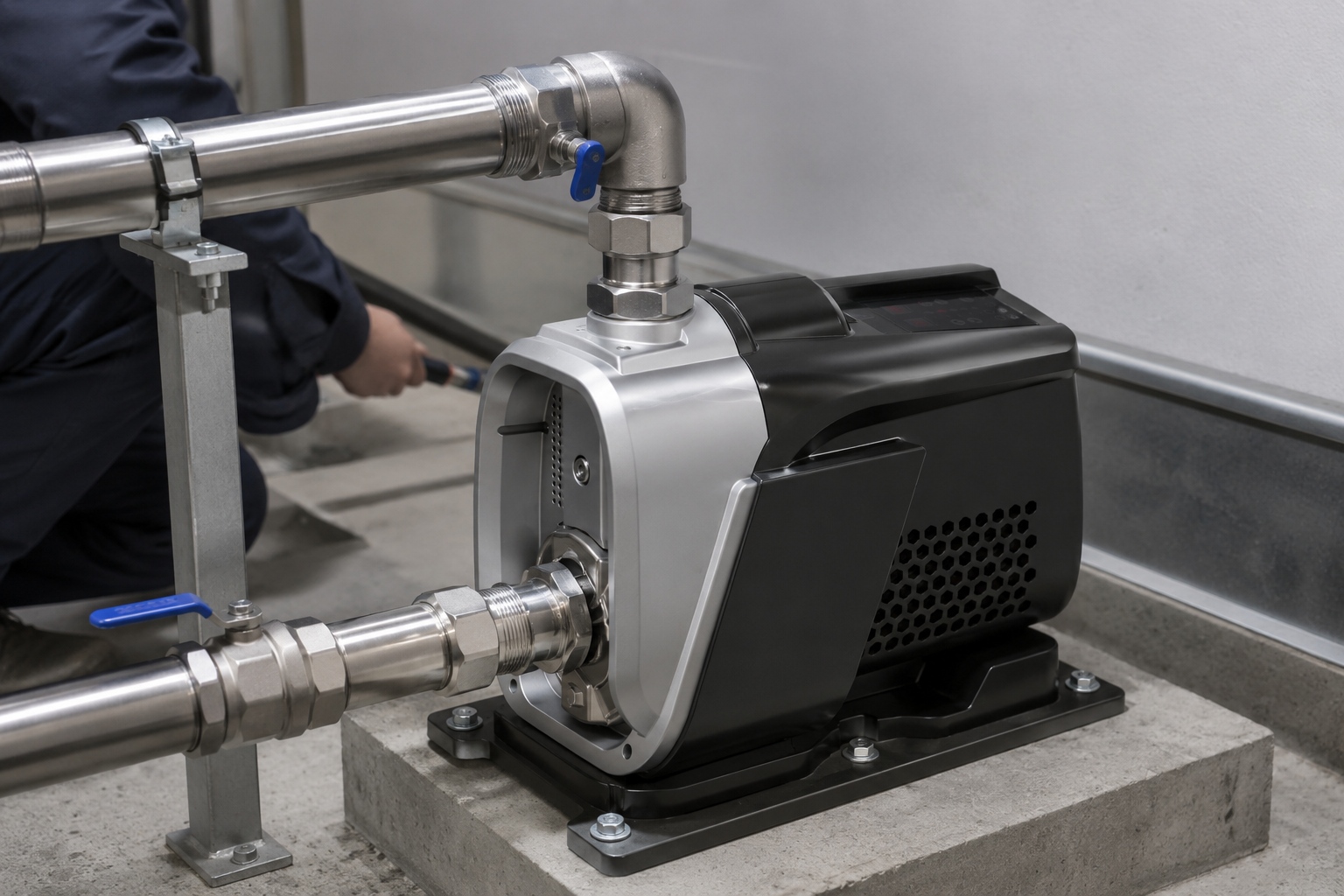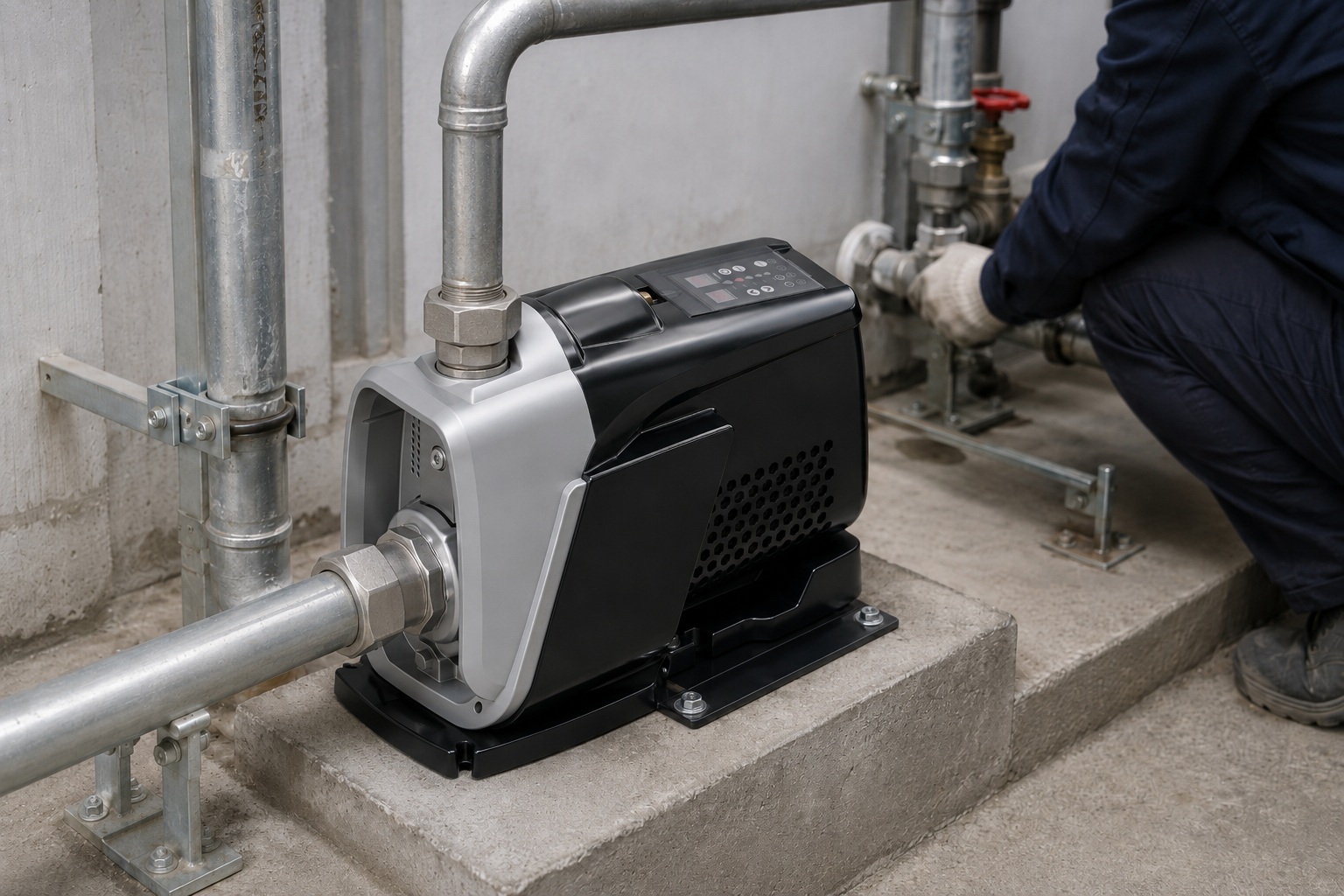
Struggling to find the right pump for your needs?
Choosing the wrong one wastes money and energy.
Let's clarify your options.
There are two main types of pumps: Dynamic and Positive Displacement.
Dynamic pumps, like centrifugal pumps, use velocity to build pressure and are great for moving large volumes of low-viscosity fluids.
Positive Displacement pumps trap a set amount of fluid and force it out, making them ideal for high-pressure or high-viscosity applications.
You now know the two fundamental categories.
But the real value lies in understanding their specific sub-types and applications.
Let's dive deeper into each category to see how they work and which scenarios they are best suited for.
This knowledge will empower you to make the most cost-effective and efficient choice for your specific needs.
Understanding the Two Main Pump Categories
Confused by all the different pump specifications?
This simple classification makes it easy.
Understanding the core difference helps you make better-informed purchasing decisions.
The two primary pump categories are Dynamic and Positive Displacement.
Dynamic pumps, often called centrifugal pumps, create flow by increasing fluid speed.
Positive Displacement (PD) pumps move a fixed volume of fluid per cycle, delivering a consistent flow regardless of pressure.
To choose the right pump, you must first understand the fundamental difference in how these two categories operate.
This distinction affects everything from flow rate and pressure capabilities to the types of fluids they can handle.
Getting this right can improve system efficiency by over 20%.
The Core Principle: Energy Transfer
The main difference is how energy is added to the fluid.
Dynamic pumps convert kinetic energy into pressure.
Positive Displacement pumps apply direct force to the fluid.
Dynamic Pumps: The Velocity Method
Dynamic pumps use an impeller, which is a spinning rotor with vanes.
This impeller rapidly accelerates the fluid that enters the pump.
The high-velocity fluid then flows into a specially shaped casing (the volute).
In the volute, the fluid slows down.
This deceleration converts the fluid's kinetic energy (velocity) into potential energy (pressure).
This principle is why they excel at producing high flow rates.
However, their output pressure is highly dependent on the flow rate.
Positive Displacement Pumps: The Trapping Method
Positive Displacement pumps operate differently.
They work by trapping a fixed amount of fluid in a cavity.
Then, they apply force to discharge that trapped volume.
This process gives them a nearly constant flow rate, regardless of the system's back pressure.
This makes them perfect for applications requiring precise dosing or for moving very thick, viscous fluids.
They generate very high pressures, but typically at lower flow rates compared to dynamic pumps.
Key Operational Differences
Here is a table summarizing the core differences.
| Feature | Dynamic Pumps | Positive Displacement Pumps |
|---|---|---|
| Operating Principle | Converts velocity to pressure | Displaces a fixed volume of fluid |
| Flow Rate | Variable; changes with pressure | Constant; largely independent of pressure |
| Pressure Handling | Best for moderate pressures | Can generate very high pressures |
| Fluid Viscosity | Best for low-viscosity (thin) fluids | Excellent for high-viscosity (thick) fluids |
| Efficiency | Peak efficiency in a narrow range | High efficiency across a wide pressure range |
| Common Example | Centrifugal Pump | Gear Pump, Piston Pump |
Understanding these basic principles is the first step toward mastering pump selection.
It ensures you match the pump's inherent capabilities with your application's demands, avoiding common issues like inefficiency and premature wear.
A Closer Look at Dynamic Pumps (Centrifugal Pumps)
Need to move a large volume of water quickly and efficiently?
Centrifugal pumps are the go-to solution for many.
But their performance depends heavily on the right application.
Centrifugal pumps are the most common type of dynamic pump, making up over 75% of industrial installations.
They use a rotating impeller to accelerate fluid, converting velocity into pressure.
They are ideal for high flow rates and low-viscosity fluids like water in irrigation or residential boosting.
Centrifugal pumps are the workhorses of the fluid-handling world.
Their simple design, reliability, and cost-effectiveness make them a popular choice.
However, to leverage a centrifugal pump effectively, one must understand its components, types, and performance characteristics.
A well-matched centrifugal pump can achieve efficiencies of over 90%, while a poorly matched one can waste significant energy.
How the Impeller and Volute Work Together
The heart of a centrifugal pump is the impeller.
Fluid enters the pump near the a "eye", or center of the impeller.
As the impeller spins, its vanes catch the fluid and accelerate it radially outward at high speed.
This high-speed fluid is then discharged into the volute.
The volute is a funnel-shaped casing with a progressively larger cross-sectional area.
As the fluid enters this expanding area, its velocity decreases.
According to Bernoulli's principle, this decrease in kinetic energy is converted into an increase in pressure energy.
This pressure is what drives the fluid through the system.
Common Types of Centrifugal Pumps
While the principle is the same, centrifugal pumps come in various designs for different flow and pressure requirements.
- Vertical Pumps: These have a vertical shaft, which saves floor space. They are common in deep well and sump applications. Multi-stage vertical pumps can achieve very high pressures for building water supply.
- Horizontal Pumps: The most common configuration, with a horizontal shaft. They are easy to install and maintain for a wide range of applications, from industrial processes to small domestic booster pumps.
- Submersible Pumps: The entire unit, including the motor, is designed to be submerged in the fluid. This design prevents cavitation and eliminates the need for priming. They are staples in borehole and wastewater applications.
Understanding the Performance Curve
A centrifugal pump's performance is described by its pump curve.
This graph shows the relationship between flow rate (head) and pressure.
Typically, as the flow rate increases, the pressure the pump can generate decreases.
Operating a pump at its Best Efficiency Point (BEP) on this curve is critical.
Running it too far to the left or right of the BEP leads to issues.
These issues include vibration, shaft deflection, and seal failure, which can reduce the pump's lifespan by up to 50%.
Modern variable frequency drives (VFDs) can adjust the pump's speed, allowing it to operate efficiently across a wider range of conditions.
Exploring Positive Displacement Pumps
Handling thick fluids or need precise, steady flow?
A standard centrifugal pump won't work.
Positive displacement pumps offer the control and power required for these demanding tasks.
Positive Displacement (PD) pumps move a fixed amount of fluid with each rotation or stroke.
This ensures a consistent flow rate regardless of pressure changes.
They are essential for high-viscosity liquids like oils and slurries or for metering applications requiring high precision.
Positive Displacement pumps are the solution for problems that dynamic pumps cannot solve.
Their ability to handle high pressures and viscous fluids makes them indispensable in many industries.
There are two major sub-categories of PD pumps: rotary and reciprocating.
Each functions differently and suits different needs.
Understanding these sub-types is key to selecting the right model for applications like chemical injection, oil transfer, or food processing.
Rotary Pumps: Smooth and Continuous Flow
Rotary pumps use rotating elements to move fluid.
They trap fluid between the rotating parts and the pump casing, creating a smooth, continuous flow.
They are excellent for handling viscous fluids because the internal clearances are tight, minimizing internal leakage.
Common types include:
- Gear Pumps: Two meshing gears rotate to trap and transport fluid around their outer edges. They are simple, compact, and cost-effective for clean oils and polymers.
- Lobe Pumps: Similar to gear pumps but the lobes do not touch. This gentle action makes them suitable for shear-sensitive or solids-containing fluids, like in food production.
- Vane Pumps: Vanes slide in and out of a rotor to create chambers of expanding and contracting volume, moving the fluid. They handle low-viscosity fluids well and can compensate for wear.
Reciprocating Pumps: High Pressure Power
Reciprocating pumps use a back-and-forth motion to move fluid.
A piston, plunger, or diaphragm moves within a chamber to draw fluid in and then force it out.
This action allows them to generate extremely high pressures.
However, the flow is pulsed, though this can be smoothed out with pulsation dampeners.
- Piston Pumps: A piston moving back and forth in a cylinder creates suction and discharge strokes. They are workhorses for high-pressure cleaning and industrial processes.
- Plunger Pumps: Similar to piston pumps but use a solid plunger, which is better for higher pressures and more aggressive fluids because the seal is stationary.
- Diaphragm Pumps: A flexible diaphragm flexes back and forth, changing the volume of a chamber. Because there are no moving seals in contact with the fluid, they are excellent for corrosive, abrasive, or sterile fluids.
Key Applications and Selection Criteria
The choice between rotary and reciprocating depends on the specific requirements of the job.
| Pump Type | Primary Advantage | Common Applications |
|---|---|---|
| Rotary Pumps | Smooth flow, handles viscosity | Oil transfer, food processing, chemical handling |
| Reciprocating Pumps | Very high pressure capability | High-pressure cleaning, metering, oil and gas extraction |
When selecting a PD pump, consider factors like fluid viscosity, required pressure, chemical compatibility, and whether the application can tolerate a pulsed flow.
PD pumps require a pressure relief valve in the discharge line to prevent over-pressurization, a critical safety measure not always needed with centrifugal pumps.
Key Factors in Selecting the Right Pump Type
Choosing a pump based on type alone is not enough.
A poor choice leads to high energy bills and frequent maintenance.
Success requires a holistic view of your system and its demands.
The most critical factors for pump selection are Flow Rate, Pressure (Head), Fluid Properties (viscosity, temperature, corrosiveness), and system efficiency.
Matching these requirements to a pump's performance curve ensures optimal operation and a longer lifespan, potentially saving over 30% in energy costs.
Selecting the perfect pump is a technical decision that directly impacts operational costs and reliability.
It involves a careful analysis of the system where the pump will operate.
You must go beyond just the pump type and evaluate several interconnected variables.
Making an educated decision upfront prevents costly problems down the line, from energy waste to complete system failure.
Let's break down the essential factors you must consider.
Quantifying Flow and Pressure Needs
First, you must define your performance requirements.
- Flow Rate (Q): This is the volume of fluid you need to move in a given amount of time. It's usually measured in gallons per minute (GPM), liters per second (L/s), or cubic meters per hour (m³/h). This is often the primary driver for pump sizing.
- Head (H): This represents the pressure the pump must generate to overcome resistance in the system. It's a measure of the height to which the pump can raise the fluid and includes static head (elevation change) and friction head (losses from pipes and fittings). Head is measured in feet or meters.
A centrifugal pump is often best for high-flow, low-head applications.
A positive displacement pump excels in low-flow, high-head (high-pressure) scenarios.
Analyzing Fluid Characteristics
The fluid itself plays a massive role in pump selection.
- Viscosity: How thick is the fluid? Centrifugal pumps lose efficiency rapidly with increasing viscosity. Positive displacement pumps are the clear choice for thick fluids like oil, honey, or sludge.
- Temperature: High temperatures can affect pump materials, clearances, and the fluid's properties. Some pumps require special cooling or materials to handle hot liquids.
- Abrasives and Solids: If the fluid contains solids, you need a pump designed to handle them. Lobe pumps, diaphragm pumps, or specific solids-handling centrifugal pumps are necessary to prevent wear and clogging.
- Chemical Compatibility: The pump's materials of construction (cast iron, stainless steel, plastic) must be resistant to corrosion from the fluid being pumped. Mismatching can lead to rapid pump failure.
Evaluating System and Efficiency
Finally, consider the pump's role within the larger system.
| Consideration | Description | Impact on Selection |
|---|---|---|
| NPSHa | Net Positive Suction Head Available. The absolute pressure at the suction port of the pump. | Must be greater than the pump's required NPSH (NPSHr) to prevent cavitation, which severely damages the pump. |
| Efficiency (BEP) | Best Efficiency Point. The point on the pump curve where it operates most efficiently. | Sizing the pump to operate at or near its BEP is crucial for minimizing energy consumption and maximizing lifespan. |
| System Curve | A graphical representation of your system's head requirements at various flow rates. | The intersection of the system curve and the pump curve shows the actual operating point. This is essential for proper matching. |
By systematically evaluating these factors, you can create a detailed specification that leads you to the most reliable and energy-efficient pump for your application.
The Rise of Smart Pumping Solutions
Running a pump at full speed all the time is inefficient.
This constant operation wastes energy and wears out equipment.
Modern technology offers a much smarter way to manage water pressure.
Smart pumping solutions, particularly pumps with integrated Variable Frequency Drives (VFDs), automatically adjust their speed to match real-time demand.
This maintains constant pressure, reduces energy consumption by up to 60%, and extends the pump's life by reducing mechanical stress.
The future of pumping is intelligent and adaptive.
Fixed-speed pumps are becoming outdated because they are inherently wasteful in applications with fluctuating demand.
Think of a residential building where water usage is high in the morning but low at night.
A smart pump, also known as a variable speed drive pump, addresses this challenge directly.
By integrating advanced electronics and sensors, these pumps provide unparalleled efficiency and control.
How Variable Frequency Drives (VFDs) Work
A Variable Frequency Drive (VFD) is an electronic controller that adjusts the speed of the pump's electric motor.
It does this by changing the frequency and voltage of the power supplied to the motor.
The Pump Affinity Laws state that a pump's power consumption is proportional to the cube of its speed.
This means that even a small reduction in speed leads to a massive reduction in energy use.
For example, reducing a pump's speed by just 20% can result in an energy saving of nearly 50%.
Key Benefits of Smart Pumps
The advantages of adopting smart pump technology are significant and extend beyond just energy savings.
- Constant Pressure: Built-in pressure sensors allow the VFD to speed up or slow down the pump to maintain a perfectly stable outlet pressure, regardless of how many taps are open. This improves user comfort and system performance.
- Energy Savings: By running only as fast as needed, VFD pumps eliminate wasted energy. This is the single biggest benefit, with typical ROIs of less than two years in many commercial and industrial applications.
- Soft Start and Stop: VFDs gradually ramp the motor up to speed and slow it down. This eliminates the powerful electrical inrush current and the mechanical shock of a direct-on-line start, a phenomenon known as water hammer.
- Longer Equipment Life: The reduced mechanical stress from soft starting and running at lower average speeds leads to less wear on bearings, seals, and motors. This extends the pump's operational lifespan and reduces maintenance costs by 25% or more.
- Advanced Protection: Smart pumps include built-in protection features against dry running, over-voltage, overheating, and overload, safeguarding the investment without needing external monitoring equipment.
Applications for Smart Pumping
Smart pumps are transforming various sectors.
| Application Area | Benefit of Smart Pumping |
|---|---|
| Residential Buildings | Provides constant, reliable water pressure for all residents, eliminating fluctuations. |
| Irrigation Systems | Adjusts flow based on zone requirements or sensor feedback, saving water and energy. |
| Industrial Processes | Maintains precise pressure control for quality-sensitive manufacturing operations. |
| HVAC Systems | Modulates flow in heating and cooling loops to match building load, drastically cutting energy costs. |
Intelligent VFD pumps represent a major leap forward, turning a simple mechanical device into a responsive, efficient, and protected system component.
Conclusion
Understanding the two main pump types, Dynamic and Positive Displacement, is crucial.
Properly matching flow, pressure, and fluid characteristics to the right pump and technology ensures efficiency and reliability.
FAQs
What are the 2 main types of pumps?
The two main types are Dynamic (like Centrifugal pumps) and Positive Displacement pumps. Dynamic pumps use speed to create pressure, while PD pumps move fixed fluid volumes.
What is the most common type of pump?
Centrifugal pumps are the most common type. Their simple, low-cost design makes them ideal for moving large volumes of water and other low-viscosity fluids worldwide.
What is the difference between a pump and a motor?
A pump moves fluids or gases. A motor is a machine that converts electrical energy into mechanical motion. A motor is almost always used to power a pump.
What is pump head vs pressure?
Head is the height a pump can lift a fluid, measured in feet or meters. Pressure is the force exerted by the fluid, measured in PSI or bar. They are two ways to measure the same pump energy.
What causes a pump to fail?
Common causes include running the pump dry (without fluid), cavitation (vapor bubble collapse), operating away from the Best Efficiency Point, and bearing or seal failure from misalignment.
Why do centrifugal pumps need priming?
Most centrifugal pumps cannot pump air. Priming fills the pump casing and suction line with liquid, allowing the impeller to create pressure and start pumping effectively.
Can you pump a high viscosity fluid with a centrifugal pump?
It is generally not recommended. High viscosity dramatically reduces a centrifugal pump's efficiency and flow rate. A positive displacement pump is the proper choice for viscous fluids.
What is NPSH in a pump?
NPSH stands for Net Positive Suction Head. It is the pressure available at the pump's inlet to prevent the fluid from vaporizing, which causes damaging cavitation.