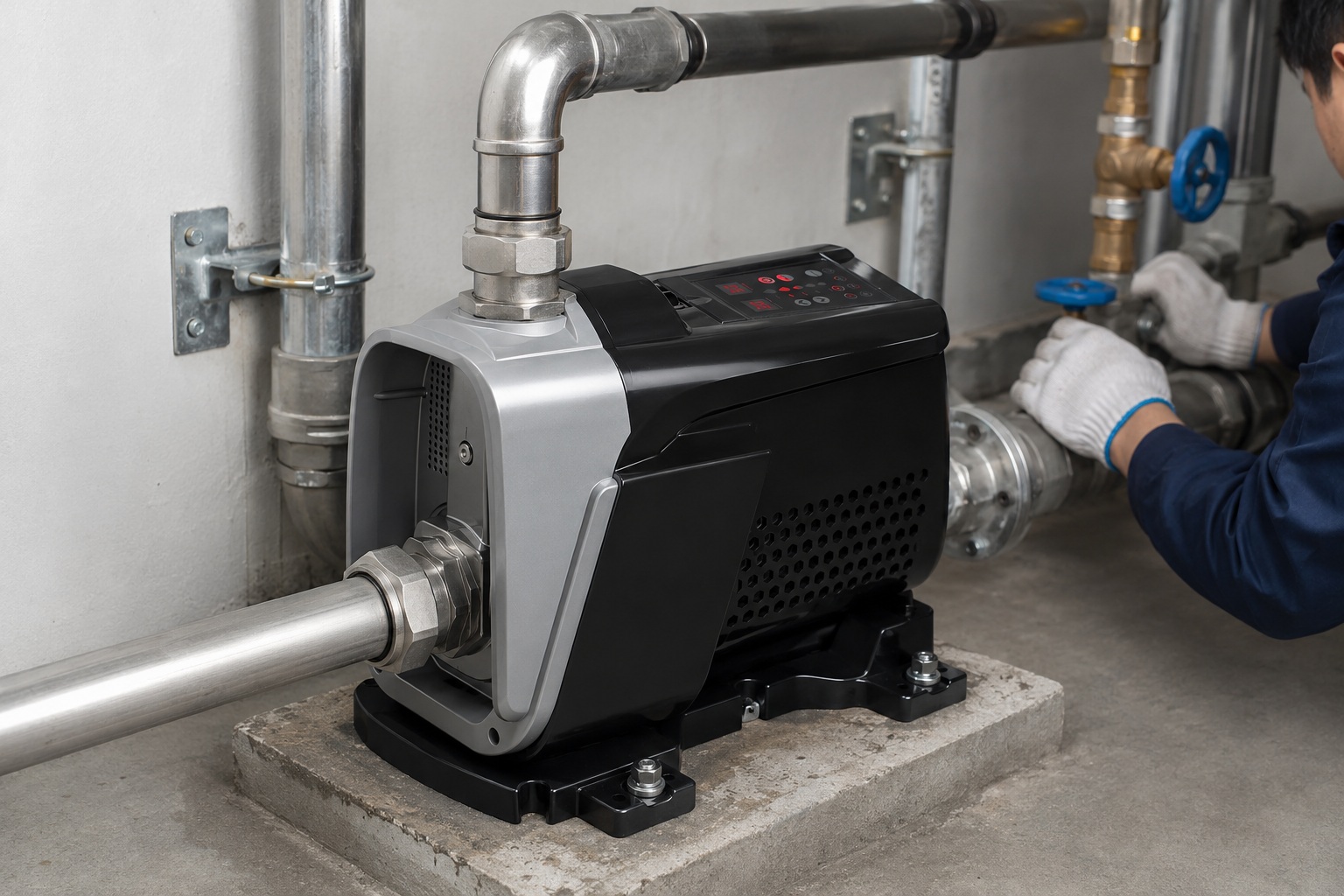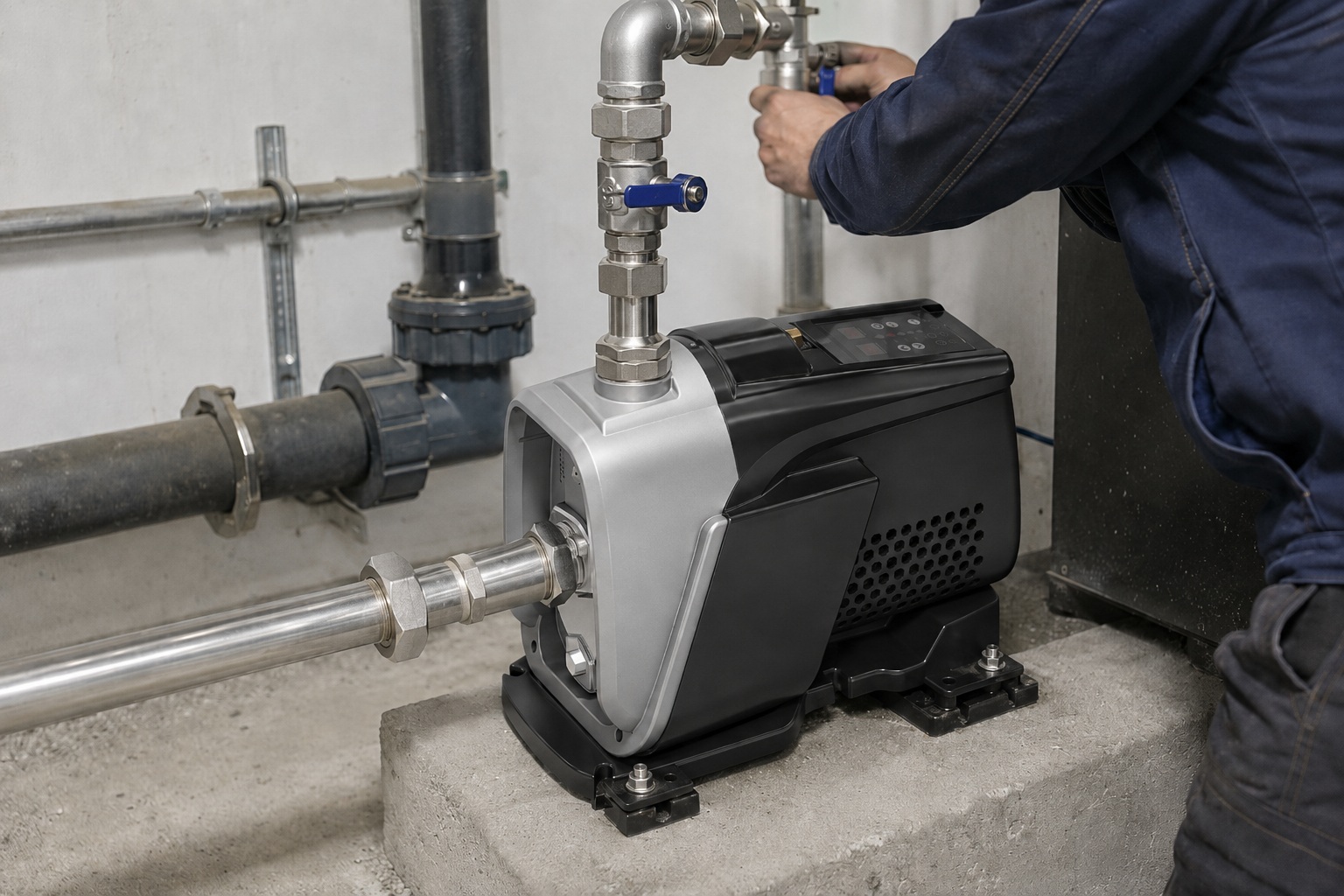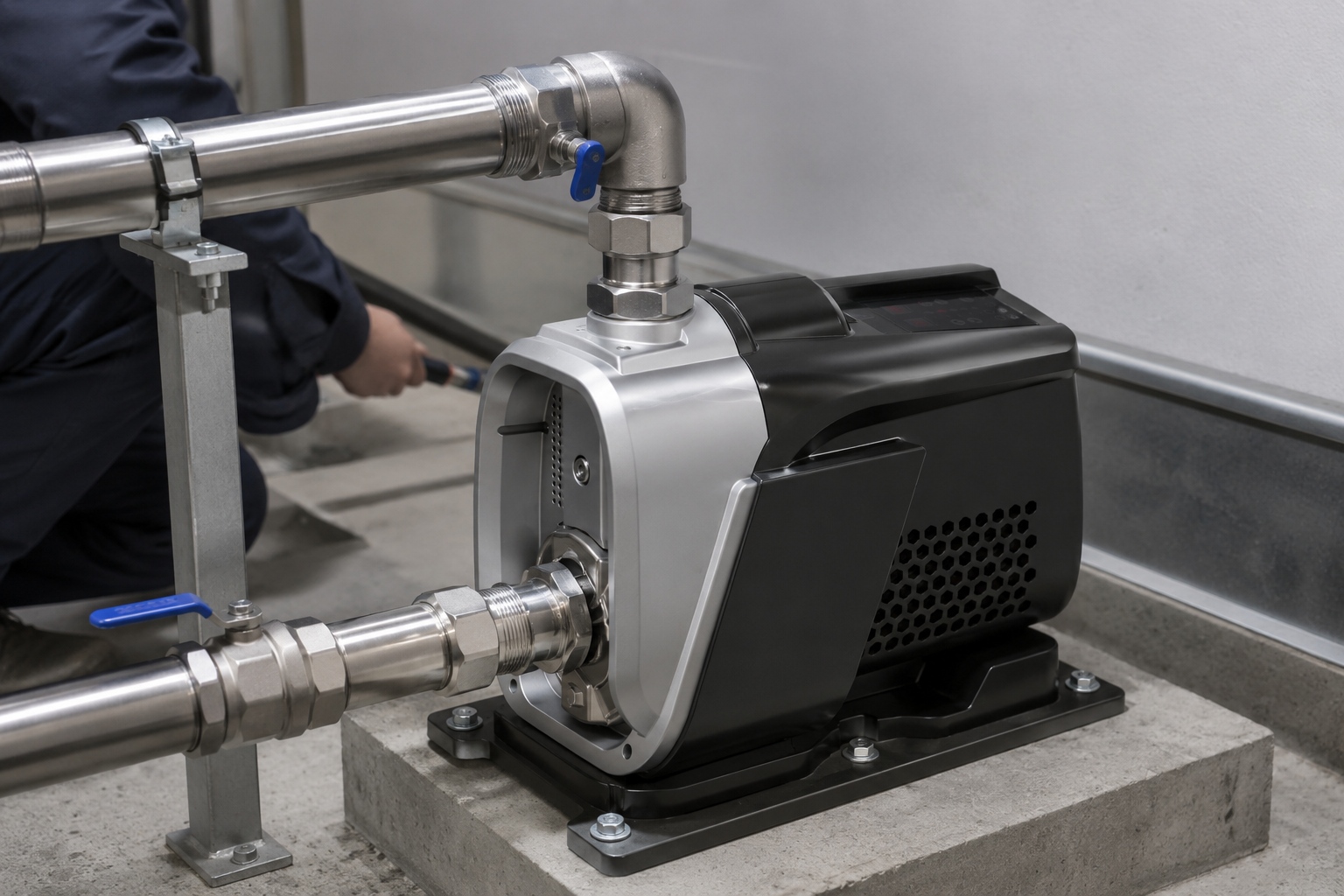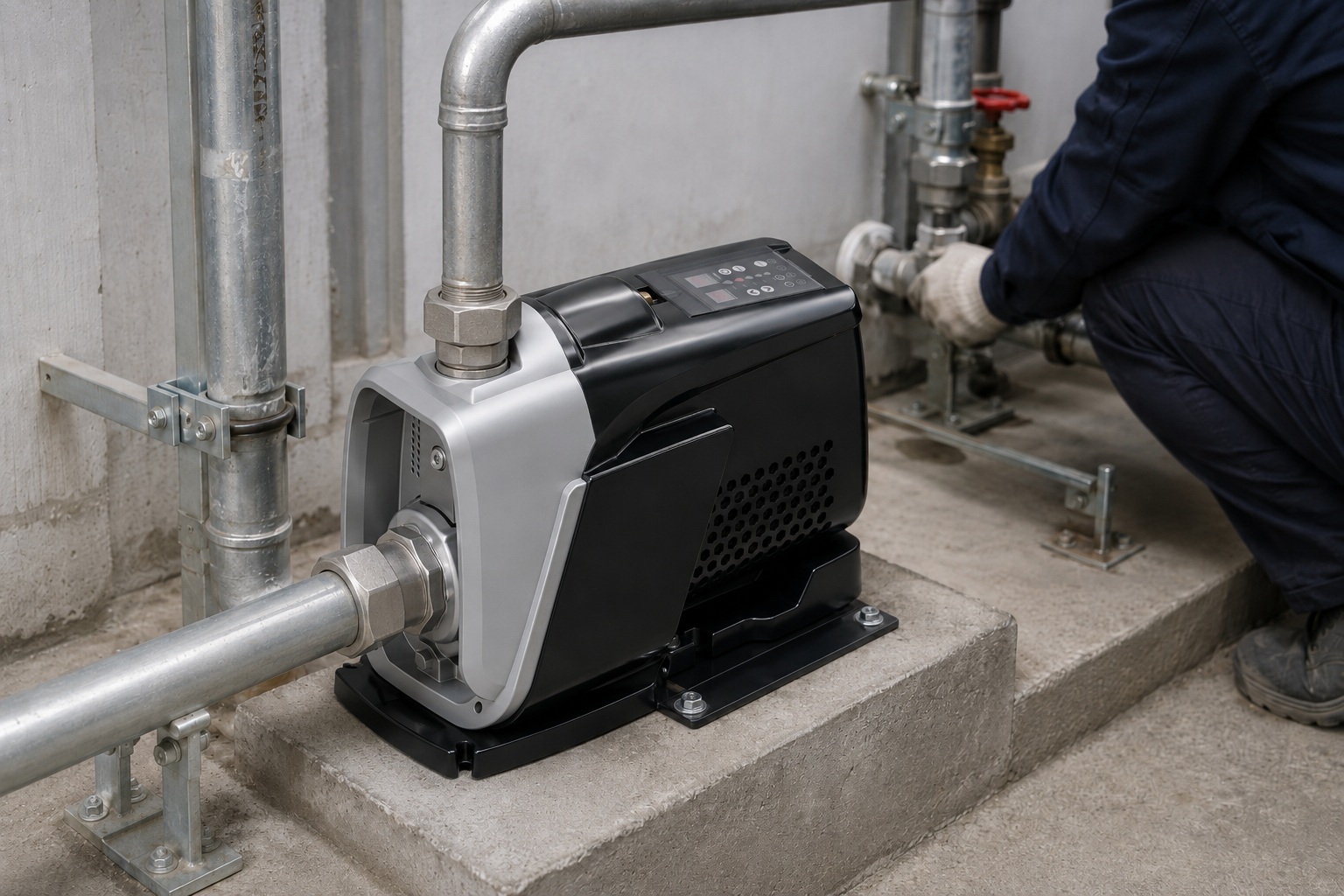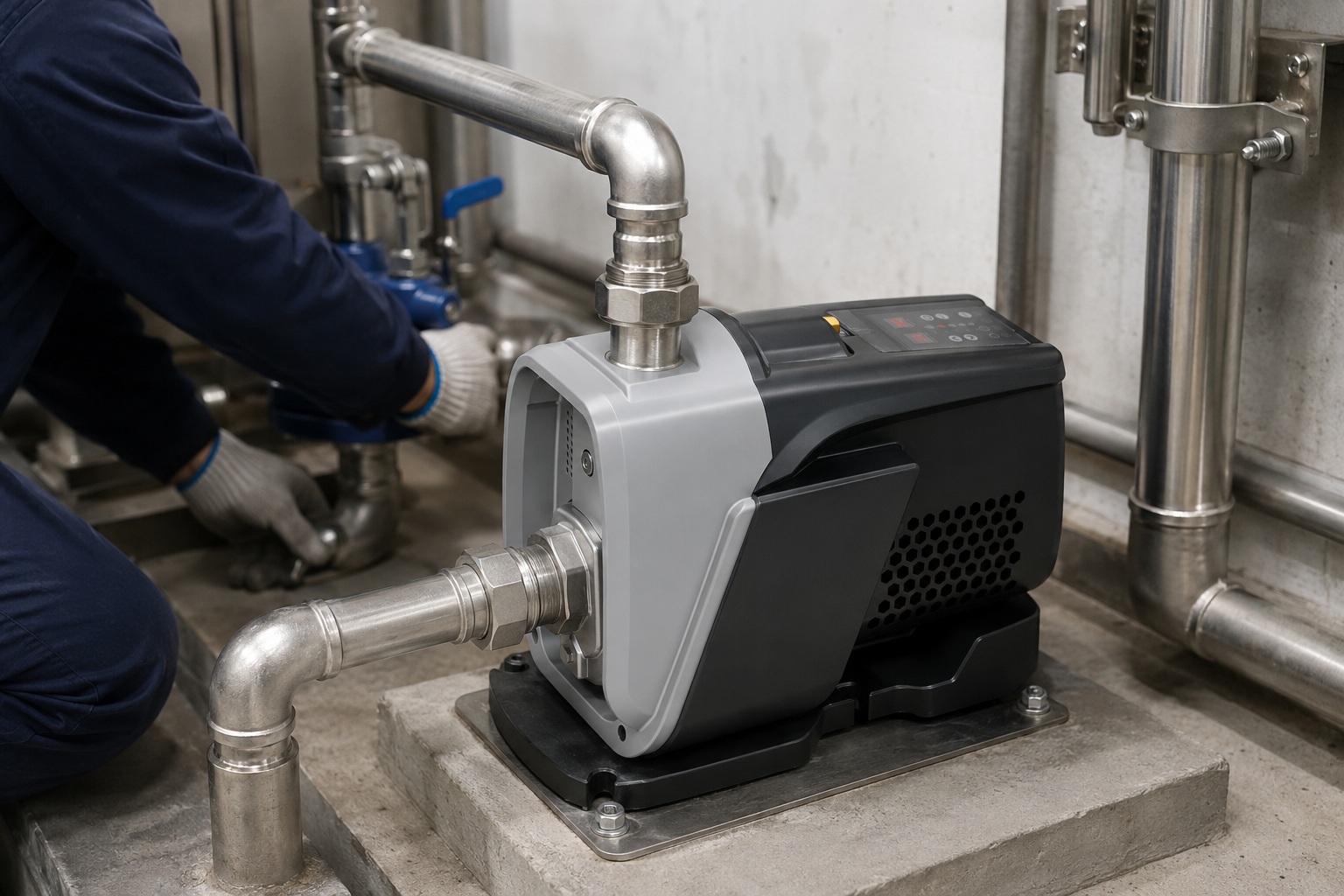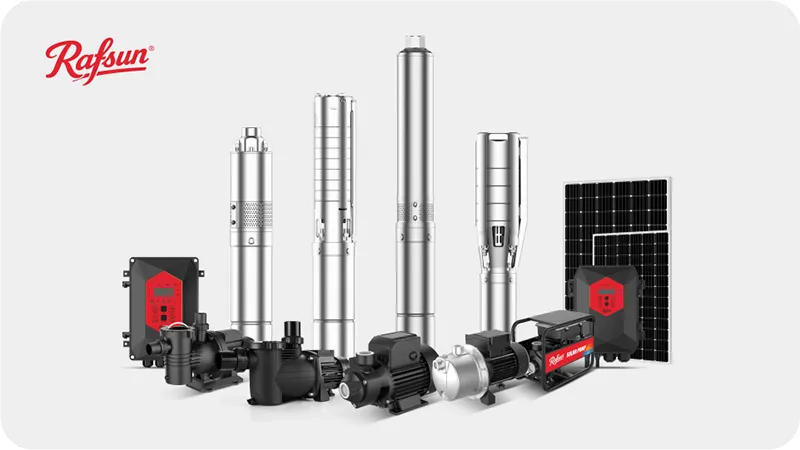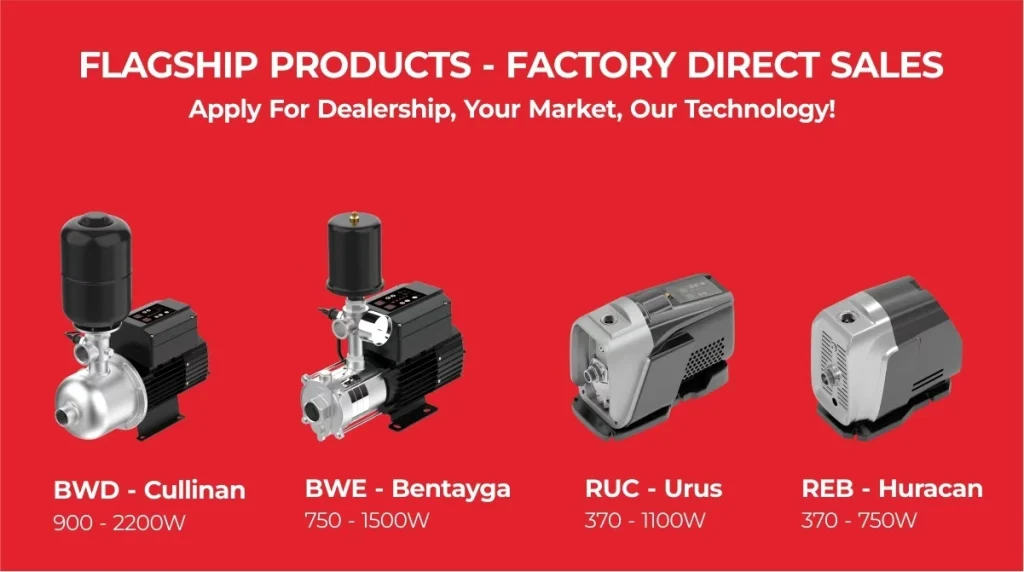
Struggling to find the right pump for your needs?
A mismatched pump can lead to system failure and high costs.
This guide breaks down the options to help you choose wisely.
The two primary types of pump systems are Dynamic Pumps and Positive Displacement Pumps. Dynamic pumps, like centrifugal pumps, use velocity to generate pressure. Positive Displacement pumps, such as reciprocating or rotary pumps, trap and force a fixed volume of fluid, delivering a constant flow.
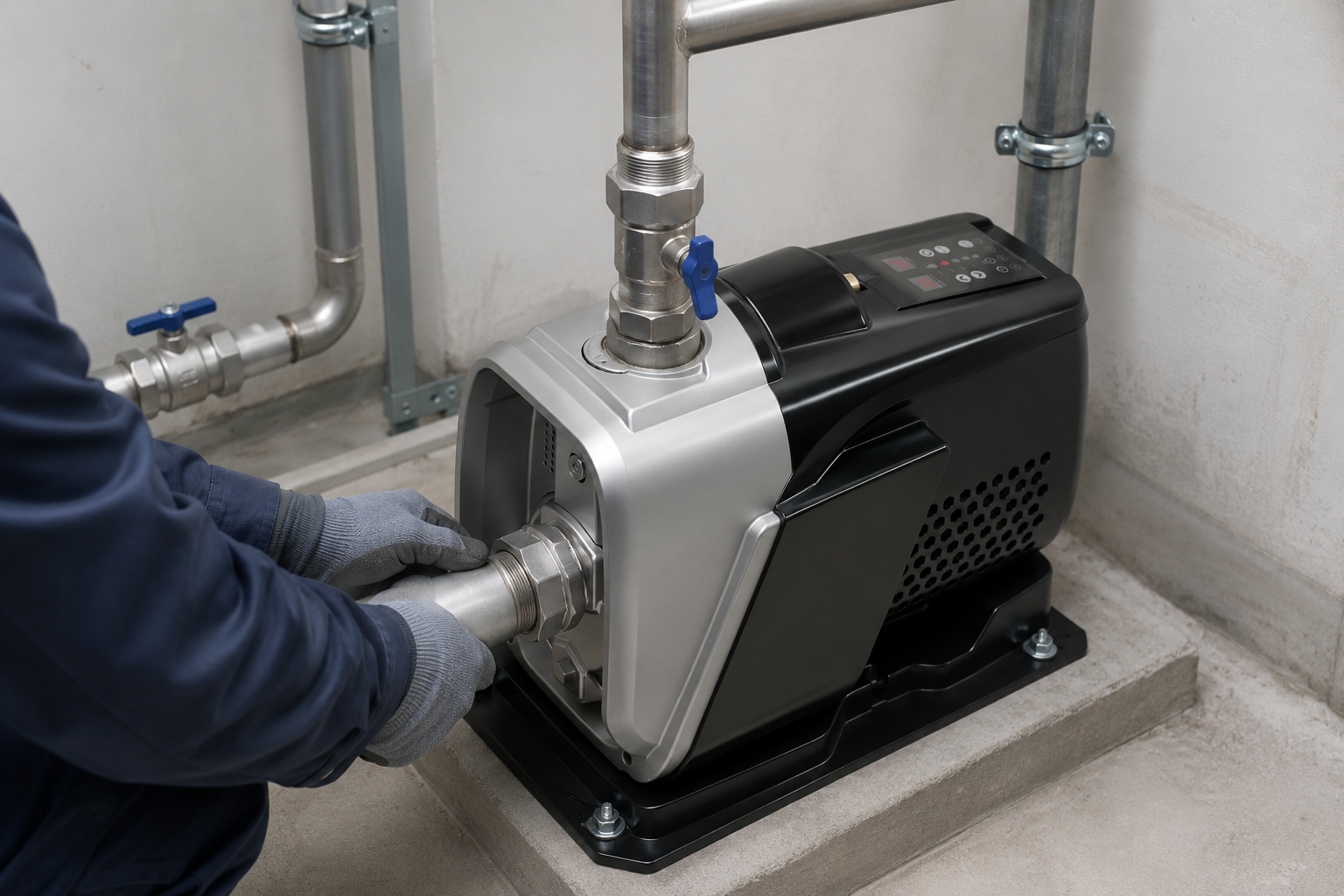
Understanding these two main categories is the first step toward selecting the right equipment for your application.
Each category contains numerous sub-types, each designed for specific pressures, flow rates, and fluid characteristics.
The wrong choice can result in operational inefficiencies, increased maintenance, and premature equipment failure, impacting your bottom line.
To make an informed decision, it's crucial to explore these types in greater detail.
Let's examine the mechanics, applications, and advantages of each system to ensure you find the perfect match for your requirements.
A Closer Look at Centrifugal Pumps: The Workhorses of Fluid Transfer
Need to move large volumes of water or other low-viscosity fluids efficiently?
Using the wrong pump leads to excessive energy consumption and poor performance.
Centrifugal pumps are the ideal solution.
Centrifugal pumps are dynamic pumps that use a spinning impeller to create fluid flow. The rotational energy from the motor is transferred to the fluid, increasing its velocity and then converting that velocity into pressure within a specially designed casing called a volute.
A centrifugal pump is the most common type of pump used in the world today.
It is estimated that they account for over 75% of all pumps installed in industrial and commercial applications.
Their popularity stems from a simple, robust design that offers high flow rates and relatively low maintenance.
Unlike positive displacement pumps, their flow output varies significantly with changes in system pressure or head.
This characteristic makes them ideal for applications where variable flow is acceptable or even desirable, but it also means careful system calculation is required for optimal performance.
Selecting the right centrifugal pump involves analyzing the system's head-flow curve and matching it with a pump that operates near its Best Efficiency Point (BEP).
Operating a pump more than 10-20% away from its BEP can drastically reduce its lifespan and increase energy costs by up to 30%.
How Centrifugal Pumps Generate Pressure
The process begins when fluid enters the pump through the suction nozzle into the center, or "eye," of the impeller.
The motor spins the impeller at high speed.
Vanes on the impeller catch the fluid and accelerate it radially outward.
This high-speed acceleration imparts significant kinetic energy to the fluid.
The fluid then exits the impeller and enters the volute, which is a spiral-shaped casing that expands in cross-sectional area.
In the volute, the fluid slows down.
According to Bernoulli's principle, this decrease in velocity (kinetic energy) is converted into an increase in pressure (potential energy).
This pressurized fluid is then directed out of the pump through the discharge nozzle.
Key Sub-Types of Centrifugal Pumps
Different applications require different centrifugal pump designs.
The main variations are based on the number of impellers, the orientation of the casing, and their suitability for being submerged.
| Sub-Type | Description | Common Applications |
|---|---|---|
| End-Suction | The most common type. Features a single impeller and a casing with the suction inlet on one side and discharge at the top. | General water transfer, irrigation, residential boosting, light industrial. |
| Submersible | The pump and its hermetically sealed motor are designed to be fully submerged in the fluid being pumped. | Deep well water extraction, sewage and wastewater, stormwater drainage. |
| Multistage | Contains multiple impellers in series within a single casing. Each stage boosts the pressure from the previous one. | High-pressure boiler feed, reverse osmosis systems, pressure boosting for tall buildings. |
| Vertical In-Line | The pump is mounted vertically with suction and discharge ports in line, allowing for compact installation in a pipeline. | HVAC systems, industrial circulation, fire-fighting systems. |
Performance and Selection Criteria
Choosing the right centrifugal pump is crucial for system efficiency and longevity.
The primary factors to consider are the required flow rate (Q) and the total dynamic head (H).
The pump's performance curve, provided by the manufacturer, graphically shows the relationship between head, flow, power consumption, and efficiency.
The goal is to select a pump where your system's operating point intersects the pump curve at or very near the Best Efficiency Point (BEP).
Additionally, one must consider the Net Positive Suction Head (NPSH).
There are two NPSH values: NPSHa (available) is a property of your system, and NPSHr (required) is a property of the pump.
To avoid cavitation—a damaging phenomenon where vapor bubbles form and collapse—NPSHa must always be greater than NPSHr by a safe margin, often recommended to be at least 1 meter or 3 feet.
Understanding Positive Displacement Pumps: Precision in Every Stroke
Need to pump viscous fluids or require a precise, constant flow rate?
Using a centrifugal pump in these scenarios will fail, leading to inefficiency or system damage.
Positive displacement pumps are the answer.
Positive Displacement (PD) pumps operate by trapping a fixed amount of fluid in a chamber and then forcing (displacing) that volume into the discharge pipe. Their flow rate is nearly constant, regardless of the system pressure, making them ideal for high-pressure and metering applications.
Unlike centrifugal pumps, PD pumps do not create pressure; they simply displace fluid.
The pressure is a result of the system's resistance to that flow.
This fundamental difference is key to their application.
Because they deliver a fixed volume per revolution, they are excellent for metering and dosing, where precise quantities are required, such as in chemical processing or food manufacturing.
This characteristic also allows them to generate very high pressures, often exceeding what is practical for single-stage centrifugal pumps by over 500%.
They are the go-to choice for handling high-viscosity fluids like oils, slurries, and pastes, as their mechanism is not dependent on accelerating the fluid.
Care must be taken, however, as a PD pump will continue to produce flow against a blocked line, causing pressure to rise until the pipe bursts or the motor stalls.
Therefore, pressure relief valves are a mandatory safety feature in nearly all PD pump systems.
The Core Principle of Positive Displacement
All PD pumps, regardless of their specific design, work on the same principle.
First, an expanding cavity is created on the suction side of the pump.
This expansion generates a partial vacuum, causing atmospheric pressure to push fluid from the source into the pump's cavity.
Next, the cavity is sealed off from the suction side.
The pump mechanism then reduces the volume of the cavity.
This action forces the trapped fluid out through the discharge port.
This cycle of trapping and forcing repeats continuously, producing a steady or pulsating flow.
The flow rate is directly proportional to the pump's speed (RPM).
Reciprocating Pumps: Pulsating Power
Reciprocating pumps use a back-and-forth motion of a piston, plunger, or diaphragm to displace fluid.
They create a highly pulsating flow, which may require pulsation dampeners for smoother operation.
| Type | Mechanism | Key Advantages | Typical Uses |
|---|---|---|---|
| Piston Pump | A piston moves back and forth in a cylinder, with check valves controlling flow direction. | Can generate very high pressures; good for abrasive fluids. | High-pressure cleaning, oil and gas production, slurry transport. |
| Plunger Pump | Similar to a piston pump, but uses a solid plunger that moves through a high-pressure seal. | Excellent for extremely high pressures (over 10,000 psi); very durable. | Hydraulic systems, car washes, reverse osmosis. |
| Diaphragm Pump | A flexible diaphragm moves back and forth, pushing the fluid. The mechanism is isolated from the fluid. | Seal-less design, excellent for corrosive or hazardous chemicals. | Chemical dosing, food processing, pharmaceutical manufacturing. |
Rotary Pumps: Smooth and Steady Flow
Rotary pumps use the meshing or rotating action of gears, lobes, screws, or vanes to move fluid.
Their output is generally much smoother and less pulsating than that of reciprocating pumps.
They excel at handling viscous fluids without causing significant shear.
| Type | Mechanism | Key Advantages | Typical Uses |
|---|---|---|---|
| Gear Pump | Two or more meshing gears rotate to trap fluid between the teeth and the casing, moving it from suction to discharge. | Simple, compact, and relatively inexpensive; good for high-viscosity fluids. | Hydraulic power packs, lubrication systems, chemical transfer. |
| Lobe Pump | Similar to gear pumps, but the lobes do not touch. This gentle action is ideal for sensitive products. | Handles solids and slurries; low shear action, easy to clean (CIP). | Food production (jams, creams), pharmaceuticals, biotech. |
| Screw Pump | One or more screws rotate within a casing, moving fluid axially along the screw. | Very low pulsation, quiet operation, can handle multiphase fluids (liquid, gas, solids). | Oil and gas transfer, fuel injection, marine applications. |
| Vane Pump | Vanes mounted to a rotor slide in and out to trap fluid as the rotor turns within an eccentric casing. | Good for low-viscosity fluids; can handle some vapor. | Automotive power steering, carbonators, aerosol loading. |
Spotlight on Solar Water Pumps: Harnessing the Sun for Fluid Movement
Need a reliable water source in an off-grid location?
Grid electricity is often unavailable or prohibitively expensive, and diesel generators are costly to run and maintain.
Solar water pumps provide a sustainable solution.
Solar water pumps use photovoltaic (PV) panels to convert sunlight directly into electricity, which powers a pump—typically a submersible or surface centrifugal type—to move water. These systems are autonomous, environmentally friendly, and have very low operating costs after the initial investment.
Solar pumping technology represents a significant leap forward for agriculture, livestock watering, and rural domestic water supply, especially in regions with high solar irradiance.
A typical system consists of three main components: solar panels, a controller, and the pump itself.
The solar panels are the power source.
The controller acts as the brain, managing the power from the panels, optimizing the pump's performance, and providing protective features like dry-run protection.
The pump, often a highly efficient DC or brushless DC motor type, does the work of moving water.
The global market for solar water pumps is projected to grow by over 10% annually, driven by falling PV panel costs and increasing demand for sustainable water management.
These systems eliminate dependence on fluctuating fuel prices and reduce the carbon footprint associated with water pumping.
Components of a Solar Pumping System
A successful solar pumping installation depends on the proper sizing and integration of its core components.
Each part plays a critical role in the system's overall efficiency and reliability.
The Solar Array (PV Panels)
This is the power plant of the system.
The number and type of panels are determined by the power required by the pump and the average solar irradiance at the location.
Monocrystalline and polycrystalline panels are the most common choices.
The array is mounted on a structure, sometimes with tracking capabilities to follow the sun, maximizing energy capture by up to 25% compared to fixed arrays.
The Pump Controller/Inverter
This smart device is the heart of the system.
It often includes a Maximum Power Point Tracking (MPPT) algorithm, which constantly adjusts the electrical load to ensure the solar panels operate at their peak efficiency, extracting up to 30% more power than simpler controllers.
It also converts DC power from the panels to the AC or DC power required by the pump motor and provides vital protection against over-voltage, under-voltage, and dry-running.
The Water Pump and Motor
The pump is the "business end" of the system.
For solar applications, efficiency is paramount.
Submersible pumps are used for deep wells and boreholes, while surface pumps are used for drawing water from ponds, rivers, or shallow wells.
Brushless DC (BLDC) motors are often preferred for their high efficiency (often over 90%), reliability, and long lifespan compared to traditional brushed motors.
Sizing and Performance Considerations
Sizing a solar water pump system correctly is more complex than for a conventional pump.
It requires a holistic assessment of water needs, location, and climate.
| Factor | Description | Impact on Sizing |
|---|---|---|
| Total Dynamic Head (TDH) | The total vertical distance the water must be lifted plus friction losses in the pipes. | Directly impacts the power required. Higher head demands a more powerful pump and more solar panels. |
| Daily Water Volume | The total amount of water (e.g., in cubic meters or gallons) needed per day. | This, combined with the number of peak sun hours, determines the required flow rate. |
| Solar Irradiance | The amount of solar energy available at the location, measured in kWh/m²/day. It varies by season and geography. | Determines the size of the solar array needed to meet the daily water volume. Sizing is based on the month with the worst solar-to-demand ratio. |
| Water Source | The type (well, river, pond) and reliability of the water source. | Determines the type of pump (submersible vs. surface) and considerations like dry-run protection. |
A well-designed system will provide the target water volume even on days with less-than-perfect sunshine, ensuring water security where it's needed most.
VSD Pumps: The Smart Choice for Efficiency and Control
Are high electricity bills from your pumping system cutting into your profits?
Conventional pumps running at a fixed speed often waste significant energy by operating inefficiently.
Variable Speed Drive pumps are the solution.
A Variable Speed Drive (VSD) pump, also known as a Variable Frequency Drive (VFD) pump, is a system that adjusts the pump's motor speed to precisely match the fluctuating demands of the application. This results in massive energy savings, improved process control, and extended equipment life.
The core principle behind VSD technology is rooted in the pump affinity laws.
These laws state that flow is proportional to speed, pressure is proportional to the square of the speed, and power is proportional to the cube of the speed.
This last point is the most critical.
It means that a small reduction in pump speed leads to a much larger reduction in energy consumption.
For example, reducing a pump's speed by just 20% can result in an energy saving of nearly 50%.
In many applications, such as residential water boosting or HVAC circulation, the demand for water is not constant.
A traditional pump would run at 100% speed all the time, using excess energy and causing pressure fluctuations.
A VSD pump, however, uses sensors to detect the demand and slows down or speeds up as needed, maintaining constant pressure and using only the energy required at that moment.
This intelligent control can reduce energy consumption by 30% to 60% in typical applications.
How VSD Technology Works
The system consists of a pump, an electric motor, and the VSD controller itself.
The VSD, or inverter, takes the standard fixed-frequency AC power from the grid and converts it into a variable-frequency, variable-voltage output to control the motor's speed.
The VSD Controller
This is the brain of the operation.
It receives a signal from a pressure, flow, or level sensor in the system.
It compares this real-time signal to a desired setpoint programmed by the user.
If the pressure is too low, the VSD increases the frequency of the power supplied to the motor, speeding it up.
If the pressure is too high, it decreases the frequency, slowing the motor down.
This continuous feedback loop ensures the system operates with maximum efficiency at all times.
Benefits Beyond Energy Savings
While energy savings are the most celebrated benefit, VSD pumps offer a host of other advantages that improve the entire system.
These "soft" benefits can be just as valuable as the direct cost savings.
| Benefit | Description | Impact |
|---|---|---|
| Reduced Mechanical Stress | The "soft start" capability of a VSD ramps the motor up to speed gradually, eliminating the electrical and mechanical shock of starting a large motor at full voltage. | Significantly reduces wear and tear on motor bearings, pump seals, couplings, and pipes. This can extend the pump's lifespan by 50% or more. |
| Improved Process Control | By maintaining a constant pressure or flow, VSD pumps eliminate fluctuations that can affect product quality or system performance. | Provides more stable operation in residential water systems, precise temperature control in HVAC, and consistent quality in manufacturing processes. |
| Quieter Operation | Since the pump rarely runs at its maximum speed, the overall noise level of the system is greatly reduced. | Improves the environment for building occupants and workers. This is a key advantage in residential and commercial buildings. |
| Simplified System Design | VSDs can eliminate the need for complex and maintenance-intensive components like pressure-reducing valves, throttling valves, and bypass lines. | Leads to a simpler, more reliable system with fewer potential points of failure and lower installation costs. |
Prime Applications for VSD Pumps
VSD technology is most beneficial in applications with variable flow requirements and high operating hours.
Key examples include:
- Residential and Commercial Building Pressure Boosting: Maintaining constant water pressure for all users regardless of how many taps are open.
- HVAC Systems: Circulating hot or chilled water for heating and cooling, where demand varies with ambient temperature and occupancy.
- Irrigation Systems: Adjusting flow and pressure for different zones or watering methods.
- Industrial Processes: Applications requiring precise flow or pressure control for manufacturing quality.
The return on investment (ROI) for upgrading to a VSD pump is often less than two years, making it a smart financial and operational decision.
Conclusion
Pumps are categorized as Dynamic or Positive Displacement.
Each type, from centrifugal to VSD, is engineered for specific tasks.
Understanding these differences ensures optimal selection, efficiency, and system longevity.
FAQs
What is the most common type of water pump?
The most common type is the centrifugal pump.
Its simple design and ability to handle large volumes of fluid efficiently make it the standard for countless applications worldwide.
How do I choose a water pump?
To choose a pump, you must know your required flow rate, total head (pressure), fluid type, and power source.
Matching these to a pump's specifications is key.
What is the difference between a pump and a motor?
A pump is a device that moves fluids, while a motor is a machine that converts electrical energy into mechanical motion.
A motor drives the pump.
Can a pump run without water?
No, most pumps should not run without water, a condition known as running dry.
This can cause rapid overheating and severe damage to seals and internal components.
What is head in a pump?
Head is a measure of the pressure a pump can generate.
It is expressed as the vertical height in feet or meters that the pump can lift a column of water.
What is cavitation in a pump?
Cavitation is the formation and collapse of vapor bubbles inside a pump.
This process is extremely destructive, causing noise, vibration, and rapid erosion of pump components.
What is a self-priming pump?
A self-priming pump is a type of centrifugal pump that can clear air from its suction line and begin pumping without needing to be manually filled with liquid.