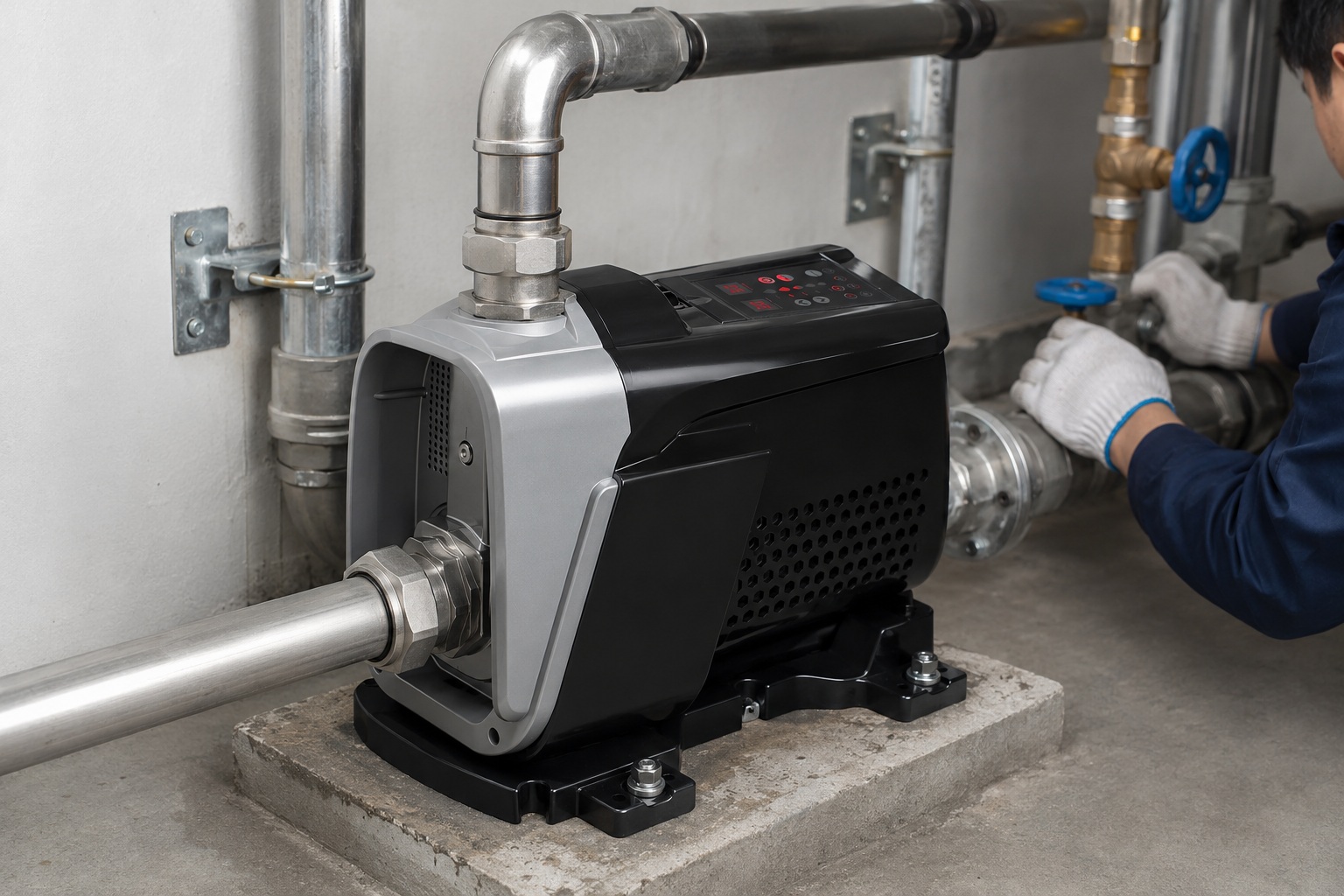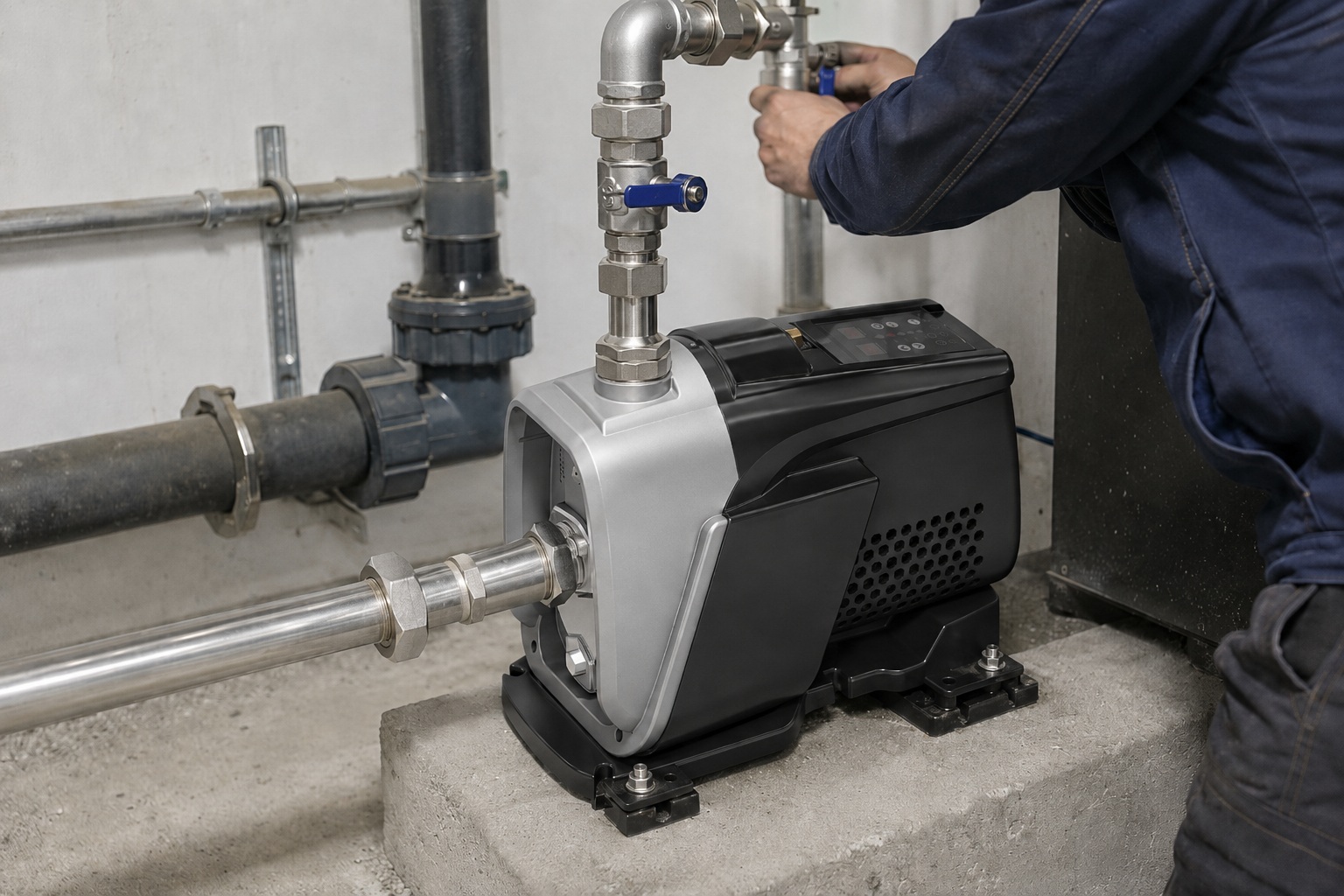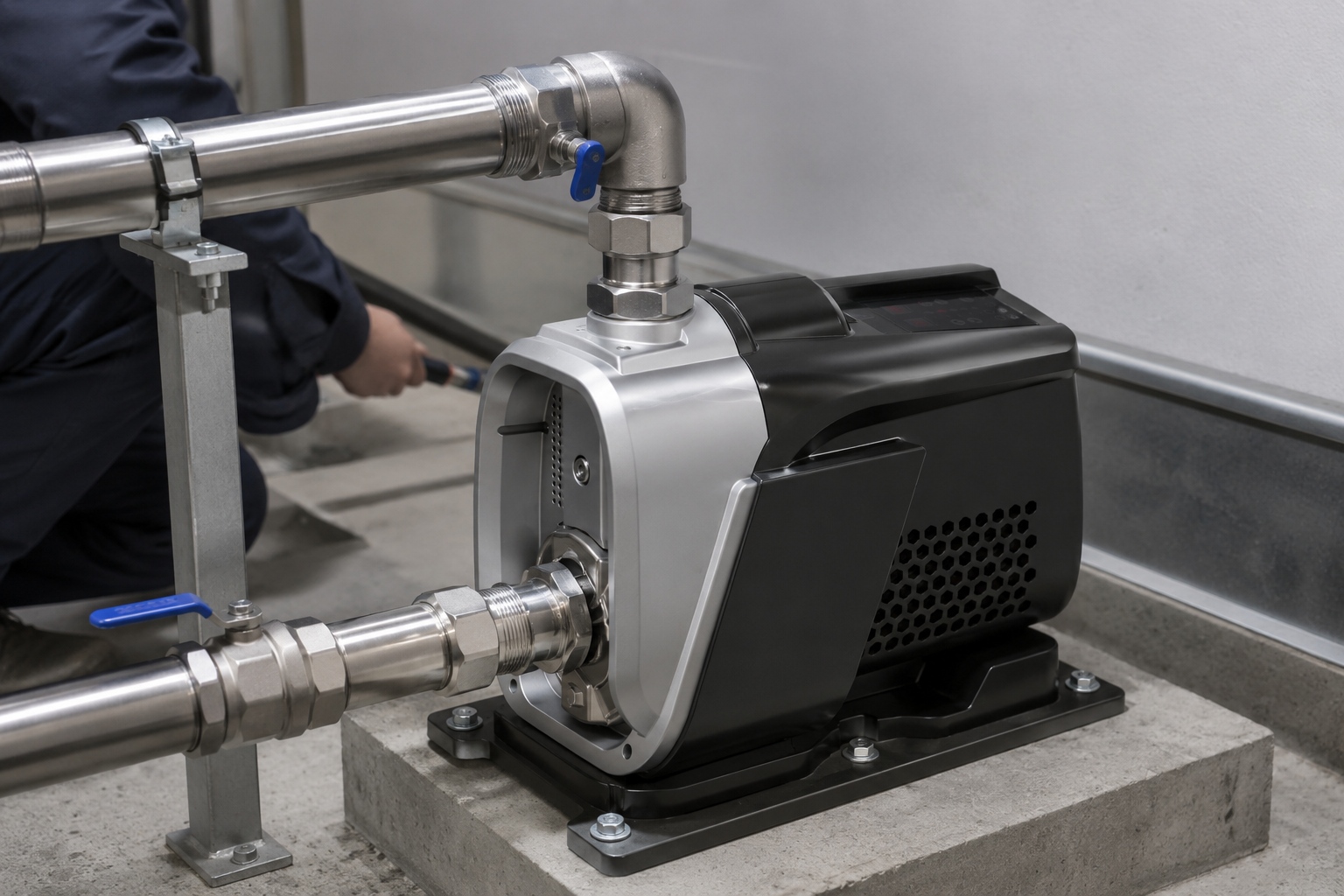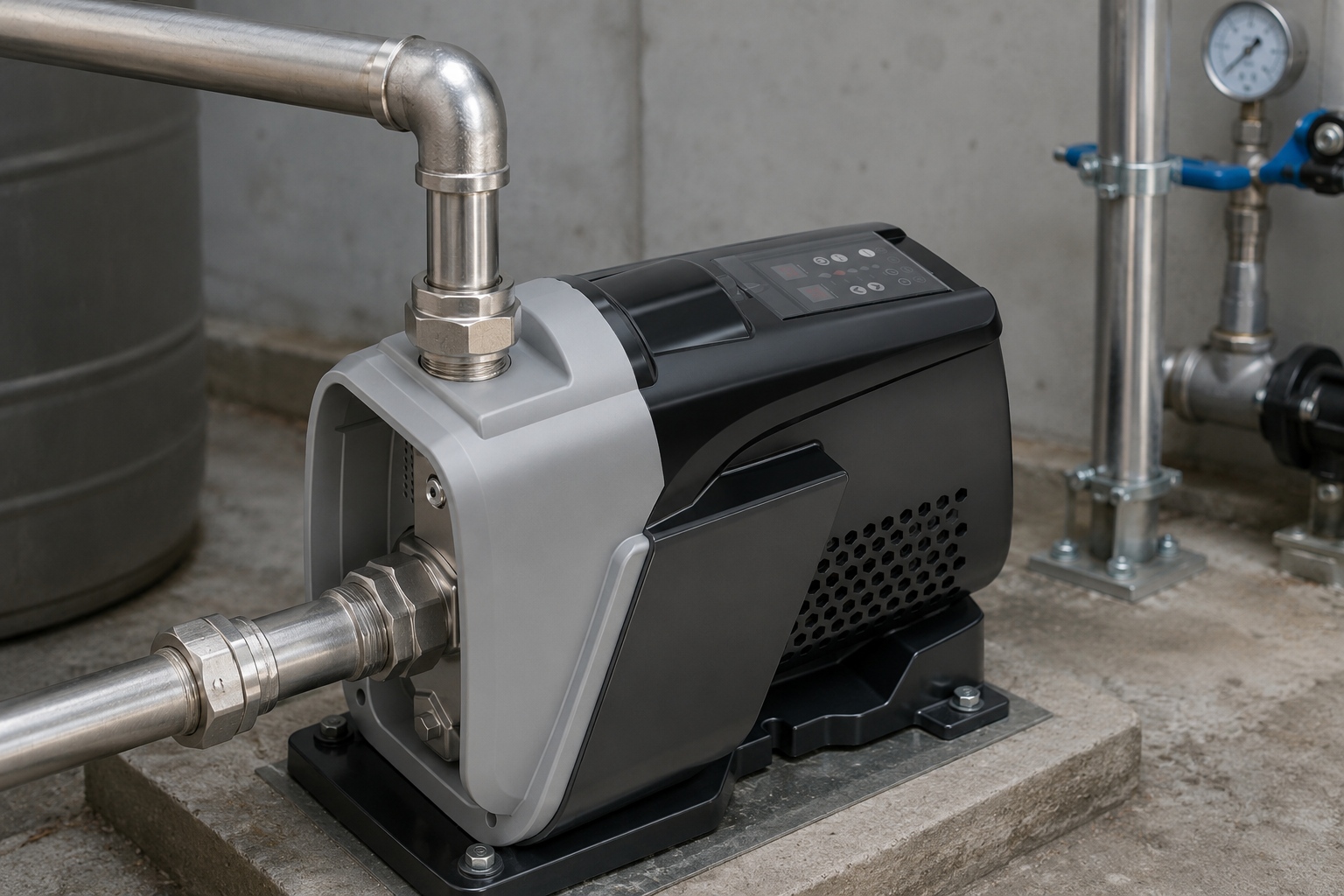
Struggling to find the right water pump for your needs?
Making the wrong choice can lead to inefficiency, high energy bills, and frequent breakdowns, costing you time and money.
Choosing the right water pump involves matching the pump type to your application, calculating the required flow rate and head, assessing power sources, and considering material durability for long-term performance.
This ensures optimal efficiency and reliability for any project, from residential water supply to large-scale irrigation.
Choosing a water pump can seem complex with so many options available.
However, breaking the decision down into key steps makes it much simpler.
This guide will walk you through everything you need to know, from identifying the right pump type to evaluating performance metrics.
By the end, you will be equipped to select a pump that perfectly fits your requirements, ensuring efficiency and cost-effectiveness for your business.
Let’s dive into the details to empower your next purchase.
Understanding the Different Types of Water Pumps
Choosing the wrong pump type can cause operational failure.
You might end up with a pump that can’t handle the fluid or doesn’t provide enough pressure, wasting your investment.
First, identify your primary application, such as residential water supply, irrigation, or industrial use.
Then, match it to a pump category like centrifugal, submersible, or positive displacement pumps, as each is designed for specific tasks and conditions.
Selecting the correct pump type is the foundational step in ensuring your system’s success.
The vast array of pumps is designed to meet specific challenges, and understanding these categories prevents costly mismatches.
A pump created for clear water will quickly fail if used for slurry, and a low-pressure pump will be useless in a high-rise building.
About 70% of premature pump failures can be attributed to incorrect pump selection for the given application.
This section will demystify the main categories of water pumps, providing a clear roadmap to help you identify the ideal type for your specific operational needs.
Centrifugal Pumps
Centrifugal pumps are the most common type used across various industries.
They use an impeller to create flow by converting rotational energy into the kinetic energy of the fluid.
These pumps are versatile and efficient for moving low-viscosity liquids like water.
They are generally preferred for applications requiring high flow rates, such as water supply for buildings, irrigation systems, and general industrial water transfer.
Their simple design also contributes to lower maintenance costs and greater reliability.
Submersible Pumps
Submersible pumps are designed to be fully immersed in the fluid they are pumping.
This design is highly efficient because the pump uses the liquid pressure to help move the fluid, requiring less energy.
There is also no need for priming, a common requirement for other pump types.
They are ideal for deep well extraction, borehole water supply, and sump drainage.
Modern submersible pumps often feature robust construction with corrosion-resistant materials, making them suitable for long-term submersion in various water qualities.
Positive Displacement Pumps
Positive displacement (PD) pumps operate by trapping a fixed amount of fluid and forcing it into the discharge pipe.
Unlike centrifugal pumps, a PD pump’s flow rate is directly proportional to its speed and is not significantly affected by pressure.
This makes them perfect for applications that demand a consistent flow, regardless of changes in system pressure.
They are also excellent for handling high-viscosity fluids and applications requiring high pressure, such as dosing chemicals or moving oils.
| Pump Type | Best For | Key Advantage | Common Applications |
|---|---|---|---|
| Centrifugal | High flow rates, low viscosity fluids | Simple, cost-effective, reliable | Water supply, HVAC, large-scale irrigation |
| Submersible | Deep wells, boreholes, drainage | Highly efficient, self-priming | Groundwater extraction, sump dewatering |
| Positive Displacement | Consistent flow, high pressure, viscous fluids | Unaffected by pressure | Chemical dosing, oil transfer, high-pressure cleaning |
By understanding these fundamental differences, you can narrow down your options significantly and focus on the pump category that best aligns with your application’s demands.
This initial choice sets the stage for all subsequent decisions regarding performance specifications and material selection.
Calculating Flow Rate and Total Dynamic Head (TDH)
Miscalculating performance needs leads to an inefficient system.
An oversized pump wastes energy, while an undersized pump fails to deliver the required water volume, causing operational delays.
To choose correctly, calculate your required flow rate (GPM or L/min) and Total Dynamic Head (TDH).
TDH is the total equivalent height that a fluid is to be pumped, considering friction losses and vertical distance, ensuring the pump can overcome system resistance.
Accurately determining the necessary flow rate and pressure is non-negotiable for an efficient water system.
These two metrics—flow rate and Total Dynamic Head (TDH)—dictate the pump’s performance curve and its suitability for your application.
A pump that is perfectly matched to its system’s requirements can operate at its Best Efficiency Point (BEP), reducing energy consumption by up to 20-30%.
Conversely, a poorly sized pump will not only perform badly but also suffer from increased wear and tear, leading to a shorter operational lifespan.
This section provides a structured approach to calculating these crucial parameters.
How to Determine Your Required Flow Rate
The flow rate is the volume of liquid you need to move in a given amount of time.
It is typically measured in Gallons Per Minute (GPM), Liters Per Minute (L/min), or Cubic Meters per Hour (m³/h).
To determine your required flow rate, you must analyze the demands of your specific application.
- For Residential Use: Consider the number of fixtures (taps, showers, toilets). A typical household might require 20-40 GPM.
- For Irrigation: Calculate the total water needed for the area you are watering. This depends on the type of sprinklers or drip systems used and the water requirements of the plants. For example, a small farm might need over 100 GPM.
- For Industrial Processes: The required flow rate is often determined by the process itself, such as cooling tower circulation or chemical transfer rates specified in process diagrams.
Understanding and Calculating Total Dynamic Head (TDH)
Total Dynamic Head (TDH) is the total pressure a pump must generate to move water from the source to the destination.
It is measured in feet, meters, or pounds per square inch (PSI).
TDH is the sum of three components:
- Static Head: This is the total vertical distance the water must be lifted. It is the difference in elevation between the water source and the highest point of discharge.
- Pressure Head: This is the amount of pressure required at the discharge point. For many applications discharging into a non-pressurized tank, this is zero. For others, like filling a pressure tank, you must convert the required PSI to feet of head (1 PSI = 2.31 feet).
- Friction Head: As water flows through pipes and fittings (elbows, valves), it encounters resistance, which results in pressure loss. This loss is called friction head. It depends on the pipe length, diameter, material, and flow rate. You can use standard friction loss charts to estimate this value. A smaller diameter pipe or a higher flow rate will result in significantly higher friction losses, with friction increasing exponentially with flow.
TDH Formula:
TDH = Static Head + Pressure Head + Friction Head
| TDH Component | Description | How to Measure |
|---|---|---|
| Static Head | Vertical distance fluid is lifted | Measure the elevation difference from the source water level to the final discharge point. |
| Pressure Head | Pressure required at the discharge point | Convert desired outlet PSI to feet of head (PSI x 2.31). |
| Friction Head | Pressure lost due to friction in pipes/fittings | Use friction loss tables based on pipe size, length, material, and flow rate. |
Once you have your required flow rate and TDH, you can plot this point on a pump performance curve.
The ideal pump will have this point located near its Best Efficiency Point (BEP), ensuring energy-efficient and long-lasting operation.
Choosing the Right Materials and Construction
Ignoring pump materials leads to corrosion and premature failure.
A pump made of the wrong material can degrade quickly when exposed to corrosive fluids or harsh environments, causing leaks and costly downtime.
Select pump materials based on the fluid’s properties and the operating environment.
For clean water, cast iron or stainless steel is sufficient.
For corrosive or abrasive fluids, specialized alloys or polymer coatings are necessary to ensure a long service life.
The longevity and reliability of a water pump are directly tied to its construction materials.
While performance specs like flow and head are critical, the materials determine whether the pump can withstand the application’s physical and chemical demands over time.
Choosing a pump with inadequate material quality can lead to catastrophic failures, with corrosion being a primary culprit in over 25% of all pump-related issues.
A well-constructed pump made from appropriate materials resists wear, corrosion, and environmental stress, translating to fewer repairs and a lower total cost of ownership.
This section explores the key considerations for selecting durable and suitable pump materials.
Matching Materials to the Pumping Fluid
The first step is to analyze the fluid you will be pumping.
Different fluids have different properties that can affect the pump’s materials.
- pH Level: For neutral, clean water (pH 6.5-8.5), standard materials like cast iron for the casing and bronze or stainless steel for the impeller work well. For acidic or alkaline fluids, you need more corrosion-resistant materials like 316 stainless steel, duplex stainless steel, or specialized polymers.
- Abrasives: If the fluid contains sand, silt, or other solids, you need abrasion-resistant materials. Hardened iron, rubber-lined casings, or impellers made of hard alloys can prevent rapid wear.
- Temperature: High-temperature fluids can affect material strength and the integrity of seals and gaskets. Ensure the chosen materials are rated for your operating temperature.
Common Pump Construction Materials
Understanding the properties of common materials will help you make an informed choice.
| Material | Properties | Common Use |
|---|---|---|
| Cast Iron | Strong, good vibration damping, cost-effective | Pump casings for clean water applications. |
| Bronze | Good corrosion resistance, less brittle than cast iron | Impellers, wear rings, and fittings for brackish or seawater. |
| Stainless Steel (304/316) | Excellent corrosion resistance, hygienic | Food processing, chemical industry, and clean water pumps where rust prevention is key. 316 SS offers superior resistance to chlorides. |
| Duplex Stainless Steel | High strength and excellent corrosion resistance | Demanding applications like desalination and offshore platforms. |
| Plastics/Polymers | High chemical resistance, lightweight | Chemical dosing pumps, small utility pumps, components exposed to highly corrosive fluids. |
Assessing Construction Quality
Beyond the base materials, overall construction quality is paramount.
Look for signs of robust engineering and manufacturing.
- Casing Thickness: A thicker casing (volute) provides better strength and resistance to pressure.
- Shaft and Bearings: A high-quality, oversized shaft minimizes deflection, which extends the life of mechanical seals and bearings. Robust bearings are essential for handling radial and axial loads.
- Mechanical Seals: The mechanical seal prevents leaks along the shaft. Modern pumps often use high-quality seals made from materials like silicon carbide or tungsten carbide for better longevity, especially in demanding applications. A pump using
a quality seal can operate 50% longer between servicings. - Certifications: Look for quality certifications like CE, IEC, and RoHS, which indicate that the pump has met rigorous safety and manufacturing standards.
Investing in a pump with superior materials and construction may have a higher initial cost, but it pays dividends through increased reliability, lower maintenance expenses, and a significantly longer operational lifespan.
Evaluating Modern Features and Energy Efficiency
Overlooking modern technology means higher operating costs.
Traditional, fixed-speed pumps often run at full power regardless of demand, wasting a significant amount of electricity and money over their lifetime.
Prioritize pumps with modern features like a Variable Frequency Drive (VFD), which adjusts motor speed to match demand.
This technology can reduce energy consumption by up to 60%, offering substantial long-term savings and a more intelligent, responsive water system.
In today’s market, the focus has shifted from raw power to intelligent and efficient operation.
A water pump’s lifecycle cost is not just its purchase price; energy consumption can account for up to 85% of the total cost of ownership over a 10-year period.
Modern features, especially those centered on energy efficiency, are no longer luxuries but essential components for any cost-conscious and forward-thinking operation.
Embracing these technologies allows for precise control, reduced operational expenditures, and a smaller environmental footprint.
This section highlights the game-changing features you should evaluate in a modern water pump.
The Power of Variable Frequency Drives (VFDs)
The single most impactful feature for energy efficiency is the Variable Frequency Drive (VFD), also known as an inverter.
A VFD is an electronic controller that adjusts the pump motor’s speed.
- How it Works: Instead of running at a constant, full speed, a VFD-equipped pump modulates its speed to precisely match the system’s real-time water demand. This is governed by the Pump Affinity Laws, which state that power consumption is proportional to the cube of the speed.
- The Benefit: A small reduction in speed leads to a massive reduction in energy use. For example, reducing pump speed by just 20% can result in an energy saving of nearly 50%. This constant pressure control also reduces mechanical stress on the entire system, from pipes to seals.
Intelligent Controls and Smart Features
Modern pumps are increasingly integrated with smart technology for enhanced control and protection.
- Constant Pressure Control: VFD pumps with integrated pressure sensors can maintain a constant, stable water pressure in the system, regardless of how many outlets are open. This improves user comfort in residential settings and ensures process stability in industrial applications.
- Built-in Protections: Advanced pumps include a suite of self-protection features that safeguard the motor and pump from common failure modes.
| Protection Feature | Function | Benefit |
|---|---|---|
| Dry-Run Protection | Shuts off the pump if no water is detected | Prevents motor burnout and seal damage. |
| Over-Voltage/Under-Voltage Protection | Protects against power grid fluctuations | Safeguards motor electronics from electrical damage. |
| Overload/Overheat Protection | Monitors current and temperature | Prevents motor failure due to excessive load or heat. |
| Anti-Freeze Protection | Runs the pump periodically in cold weather | Prevents freezing and damage in cold climates. |
Other Efficiency-Enhancing Design Elements
Beyond electronics, look for advancements in the pump’s hydraulic design.
- High-Efficiency Impellers: Computer-Aided Design (CAD) and Computational Fluid Dynamics (CFD) have enabled the creation of highly optimized impeller and volute designs that reduce turbulence and maximize hydraulic efficiency.
- Permanent Magnet Motors: Some of the most advanced VFD pumps utilize permanent magnet synchronous motors (PMSM) instead of traditional asynchronous motors. These motors offer higher efficiency, especially at partial loads, and have a more compact design. A PMSM can be 5-10% more efficient than a standard induction motor.
By investing in a pump that incorporates these modern features, you are not just buying a piece of equipment; you are investing in a smarter, more cost-effective, and reliable water management solution.
Conclusion
Choosing the right water pump is a process of matching the pump’s type, performance, and materials to your specific application’s needs for optimal, long-term efficiency and reliability.
FAQs
What are the 3 main types of pumps?
The three main types are centrifugal, submersible, and positive displacement pumps. Each is designed for different applications, flow rates, and fluid types for maximum efficiency.
What is the most common pump?
Centrifugal pumps are the most common type used globally. Their versatility, simple design, and ability to handle high flow rates make them ideal for many applications.
What size pump do I need for my house?
A typical home requires a pump that can deliver 20-40 GPM. Calculate the total fixture units in your home to determine the precise flow rate needed.
How do you size a water pump?
You size a pump by calculating the required flow rate (GPM) and Total Dynamic Head (TDH). TDH includes vertical lift, pipe friction, and required outlet pressure.
How many watts does a water pump use?
A pump’s wattage varies greatly, from 250 watts for a small utility pump to several thousand watts for a large irrigation pump. Check the motor’s power rating.
What is the difference between a water pump and a motor?
The pump is the mechanical part that moves fluid (the "wet end"). The motor is the electrical part that powers the pump’s rotation and drives its operation.
Can I use a bigger water pump?
Using a pump that is too big (oversized) is inefficient. It wastes energy, increases wear on the system, and can cause issues like water hammer and cavitation.
What is the life of a water pump?
A well-maintained, correctly sized water pump can last 15 to 20 years. Factors like water quality, usage frequency, and material quality affect its lifespan.