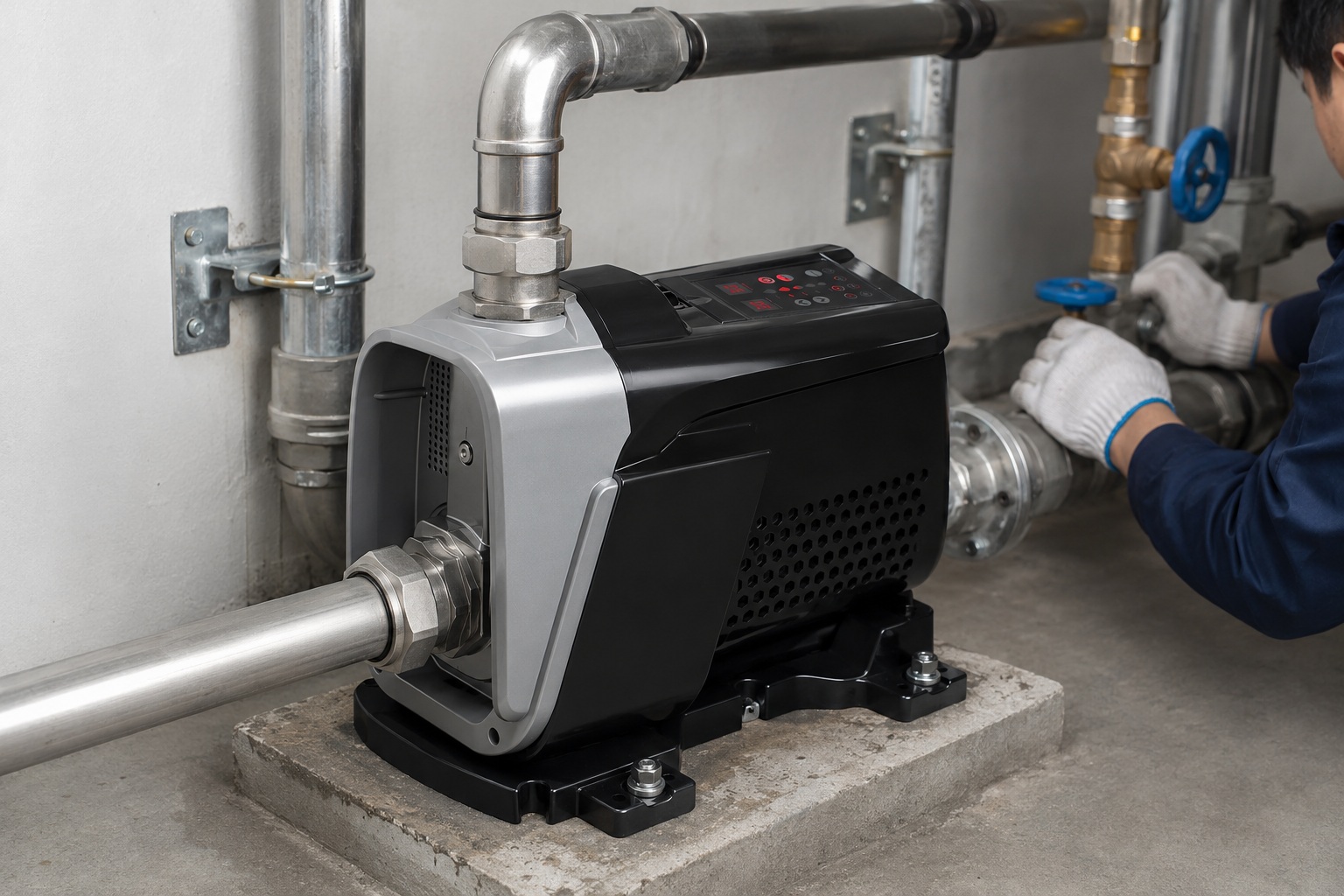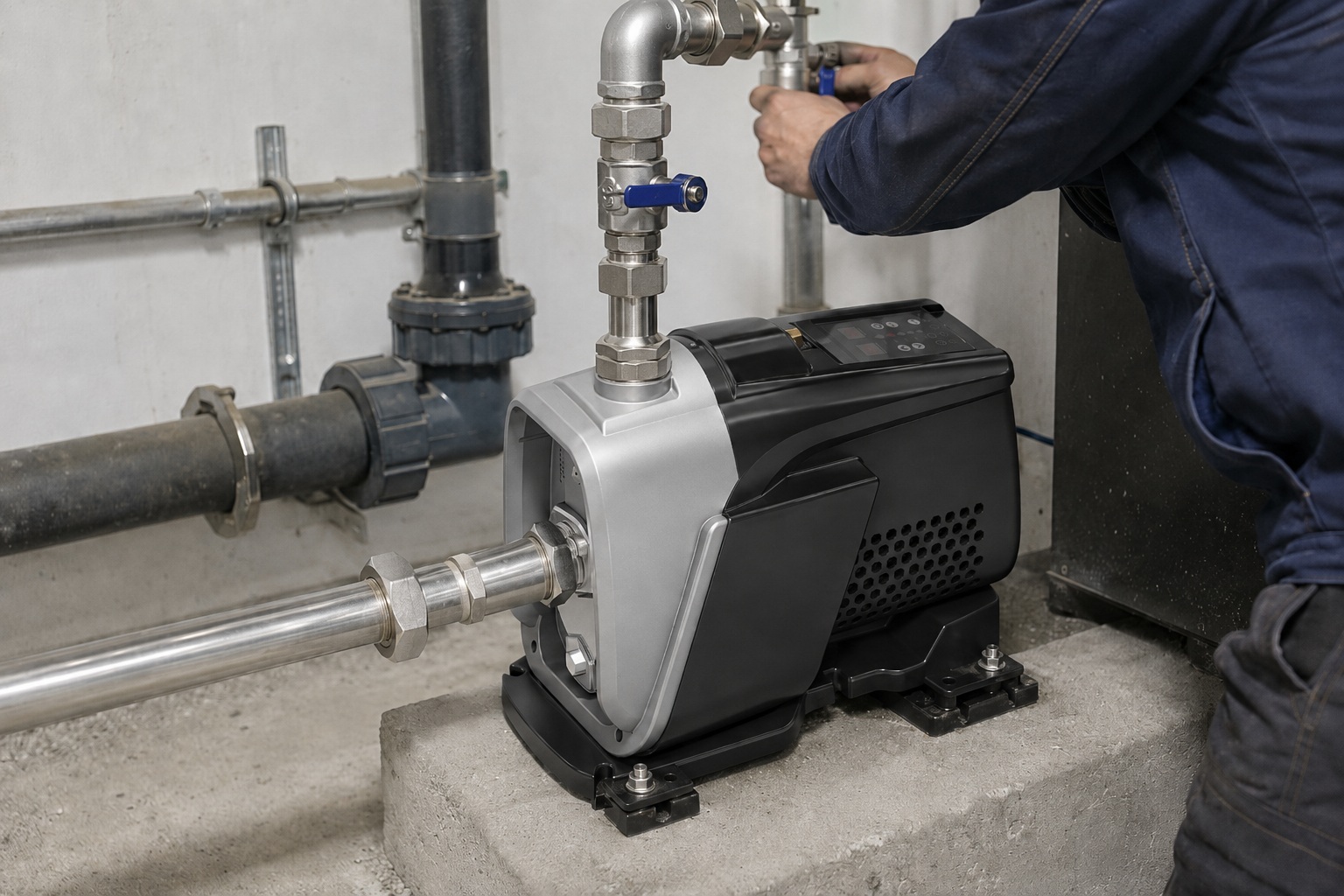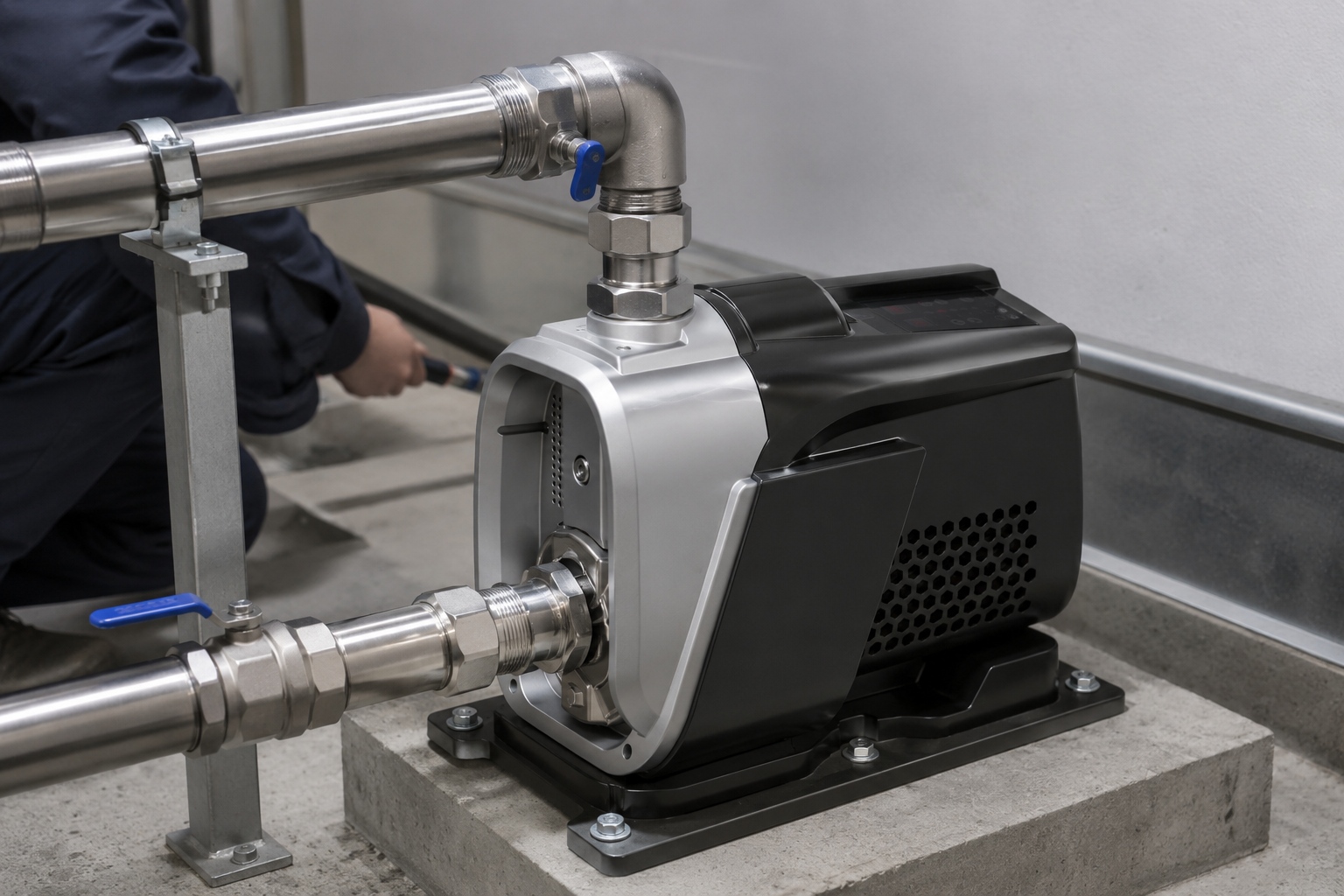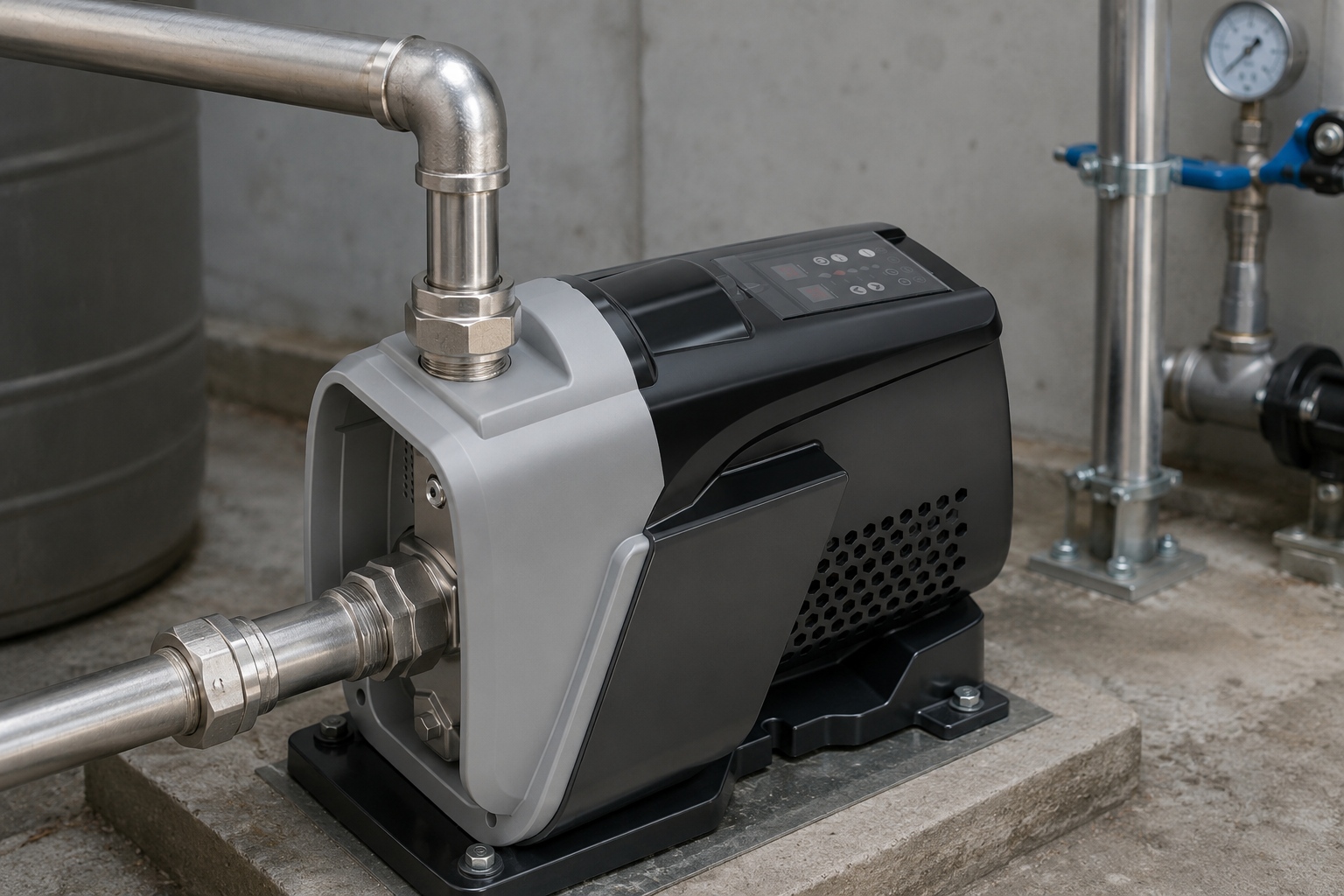
Struggling to achieve high pressure for your application?
A single-stage pump might not be enough.
This can limit your system’s performance.
A multistage centrifugal pump uses two or more impellers to increase fluid pressure progressively. These impellers can be mounted on the same shaft or different shafts. Each stage boosts the pressure, allowing the pump to achieve much higher heads than a single-stage pump.
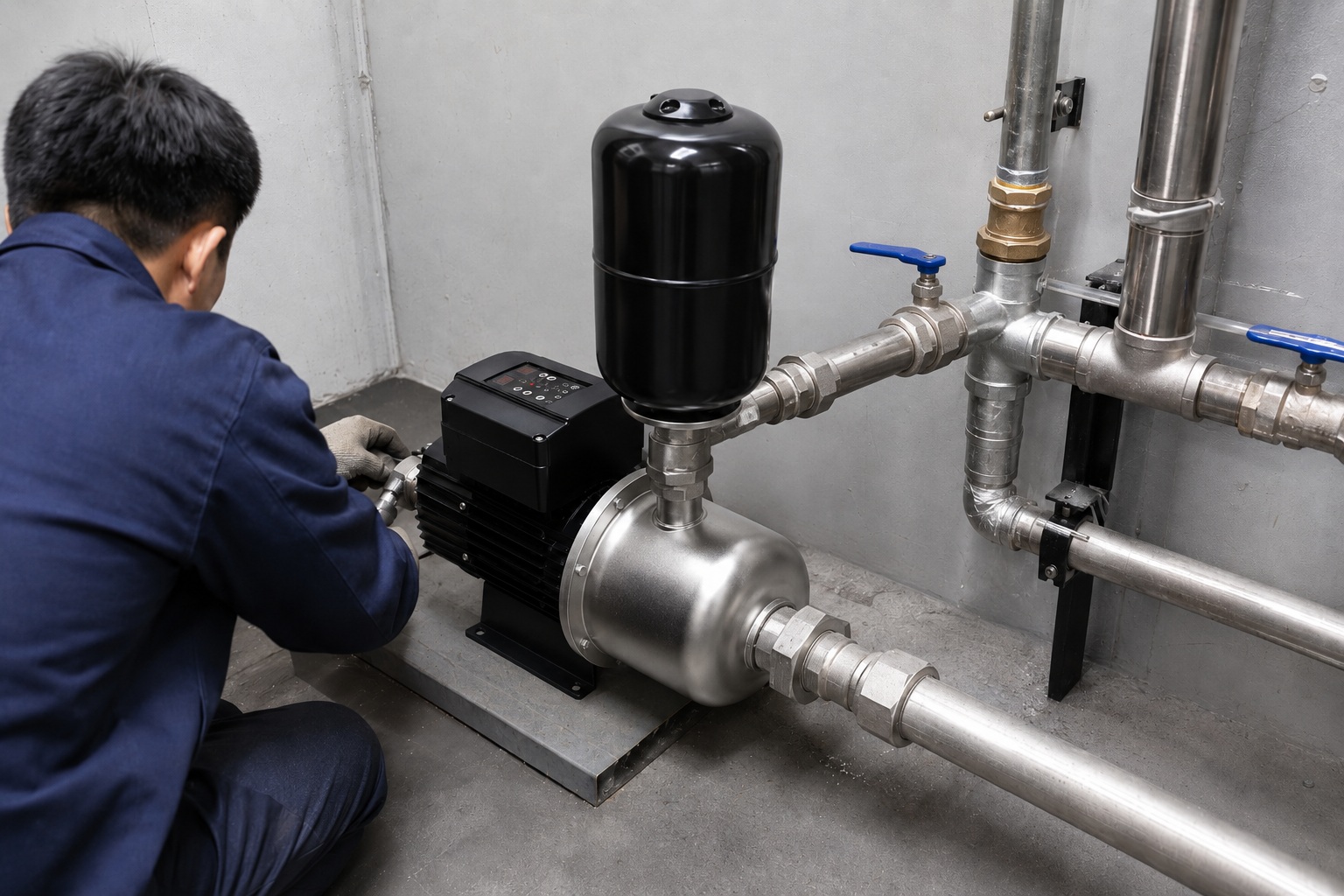
Understanding these powerful pumps is key to choosing the right equipment for demanding jobs.
They are a fundamental solution for high-pressure fluid transfer across many industries.
Let’s explore the details of how they operate, their different designs, and where they are most effective.
This knowledge will help you make better purchasing decisions for your clients.
The Core Principle: How Multistage Pumps Work
Need to move water to great heights or over long distances?
Standard pumps often fall short, causing low flow and inefficiency.
Don’t let inadequate pressure compromise your project’s success.
Multistage pumps work by passing fluid through a series of impellers, or stages, arranged in a sequence. The fluid enters the first stage, where an impeller increases its velocity. A diffuser then converts this velocity into pressure before directing the fluid to the next stage for a further boost.
The fundamental concept behind a multistage pump is pressure addition.
Each stage in the pump is essentially a small pump on its own.
Think of it as connecting several pumps in a series.
The total pressure, or head, generated by the pump is the sum of the pressures generated by each individual stage.
For instance, if one stage provides 50 meters of head, a four-stage pump could theoretically generate 200 meters of head, assuming consistent performance per stage.
This design is incredibly efficient for reaching high pressures without requiring a single, massive, and high-speed impeller.
Using a single impeller to achieve very high pressure would demand enormous diameter or rotational speed.
This would create significant hydraulic stress and reduce the pump’s operational lifespan.
The multistage approach avoids these issues.
It allows for a more balanced and reliable design.
How Each Stage Functions
A single stage within a multistage pump consists of a few key components.
- Impeller: This rotating part adds energy to the fluid by increasing its velocity.
- Diffuser or Volute: This stationary part slows the fluid down, converting its kinetic energy (velocity) into potential energy (pressure).
The fluid enters the eye of the first impeller.
Rotation slings the fluid outward at high speed.
The fluid then enters the diffuser.
Here, the expanding passage area forces the fluid to decelerate, causing its pressure to rise significantly.
The now-pressurized fluid is then guided through return channels to the inlet of the next impeller, and the process repeats.
Cumulative Pressure Build-Up
The real power of the multistage design is this cumulative effect.
The discharge of one stage becomes the suction inlet for the next.
This means each impeller starts with a higher inlet pressure than the one before it.
The table below illustrates this pressure accumulation in a hypothetical 5-stage pump.
| Stage Number | Inlet Pressure (Bar) | Pressure Added (Bar) | Outlet Pressure (Bar) |
|---|---|---|---|
| 1 | 1 | 5 | 6 |
| 2 | 6 | 5 | 11 |
| 3 | 11 | 5 | 16 |
| 4 | 16 | 5 | 21 |
| 5 | 21 | 5 | 26 |
This methodical build-up allows multistage pumps to handle applications requiring pressures that are 5 to 10 times higher than what a comparable single-stage pump could produce.
The result is a smooth, efficient delivery of high-pressure fluid.
Key Components of a Multistage Pump
Not sure what makes a multistage pump reliable?
Inferior components can lead to frequent breakdowns and costly downtime.
Choosing a pump with high-quality parts is essential for long-term performance.
The main components are multiple impellers and diffusers housed within a casing, all mounted on a common shaft. Other critical parts include shaft seals to prevent leaks, bearings to support the shaft, and interstage components that guide the flow between stages.
Every part of a multistage pump plays a critical role in its overall performance and reliability.
Understanding these components helps in assessing pump quality and diagnosing potential issues.
The construction is more complex than that of a single-stage pump, but this complexity is what enables its high-pressure capabilities.
Let’s break down the most important parts.
The Rotor Assembly
This is the heart of the pump, the collection of all rotating parts.
- Shaft: A central rod that transmits torque from the motor to the impellers. It must be perfectly straight and strong enough to handle operational stresses without bending. Shaft deflection can cause premature wear on seals and bearings.
- Impellers: These are the disks with vanes that spin to accelerate the fluid. They are typically made from cast iron, bronze, or stainless steel, depending on the fluid being pumped. The number of impellers directly corresponds to the number of stages.
- Balance Drum or Disc: In high-pressure multistage pumps, the series of impellers creates a significant axial thrust in one direction. A balance drum is a device that uses discharge pressure to create an opposing force, neutralizing most of this axial thrust and protecting the thrust bearings from excessive load. This is a sign of a well-engineered pump design.
The Stationary Assembly
These are the non-moving parts that house the rotor and manage the fluid flow.
- Casing: The outer shell of the pump. It contains all the internal components and is designed to withstand the high pressures generated. Casings can be of two main types:
- Segmented Ring (Tie-Rod): Each stage is a separate ring, and all rings are held together by long tie-rods. This design is common and easier to manufacture.
- Barrel Casing: A single, high-strength outer casing (the barrel) contains a complete inner pump assembly. This design is preferred for extremely high-pressure and high-temperature applications, such as boiler feed water, because it offers superior pressure containment and safety.
- Diffusers: Stationary vaned passages that surround each impeller. Their job is to efficiently convert the high-velocity flow from the impeller into high pressure. Properly designed diffusers are crucial for achieving high pump efficiency, often contributing to efficiencies over 80%.
- Bearings: These support the shaft, allowing it to rotate smoothly with minimal friction. They can be sleeve bearings or anti-friction (ball) bearings. They manage both radial loads (perpendicular to the shaft) and any residual axial loads (along the shaft).
- Shaft Seals: These prevent the pumped fluid from leaking out along the shaft.
- Mechanical Seals: Offer excellent leakage control for a wide range of applications. They are standard in modern pumps.
- Gland Packing: A more traditional and lower-cost option but requires some leakage for lubrication and cooling.
The interaction between these parts must be precise for the pump to function correctly.
Clearances between rotating and stationary parts are often fractions of a millimeter.
This is why high-quality manufacturing and materials are non-negotiable for reliable multistage pumps.
Types of Multistage Pumps: Horizontal vs. Vertical
Choosing the right pump orientation can be confusing.
The wrong choice might waste valuable floor space or complicate maintenance.
Understand the key differences to select the best configuration for your needs.
Multistage pumps are broadly classified into horizontal and vertical types based on the orientation of the shaft. Horizontal pumps are easier to service, while vertical pumps have a much smaller footprint, making them ideal for installations with limited space.
The choice between a horizontal and vertical multistage pump is one of the first decisions in the selection process.
It is primarily driven by the physical constraints of the installation site and the specific application requirements.
Both types perform the same fundamental function of boosting pressure in stages, but their physical layout leads to distinct advantages and disadvantages.
Let’s explore these differences in more detail to clarify which is better suited for certain situations.
Horizontal Multistage Pumps
In this configuration, the pump shaft is oriented horizontally.
These pumps are the more traditional design.
They are typically mounted on a baseplate, often shared with the driver (electric motor or engine).
Key Characteristics of Horizontal Pumps
- Footprint: They require a larger installation area due to their sprawling layout. This can be a major disadvantage in cramped mechanical rooms.
- Maintenance: They are generally considered easier and safer to maintain. Components are at a convenient working height, and the motor and pump can be decoupled without needing specialized lifting equipment for smaller units.
- Suction Conditions: Horizontal pumps can sometimes be more sensitive to low Net Positive Suction Head (NPSH) conditions compared to their vertical counterparts, as the first-stage impeller is at a higher elevation.
- Applications: Common in industrial processing, large-scale water transfer, and pipeline boosting where space is not the primary concern.
Vertical Multistage Pumps
As the name suggests, the shaft in a vertical pump is oriented vertically.
The pump motor is mounted directly on top of the pump.
This design has become increasingly popular, especially for commercial building services and space-conscious industrial applications.
Key Characteristics of Vertical Pumps
- Footprint: Their main advantage is the significantly smaller footprint. They use vertical space instead of horizontal floor area, making them perfect for tight installations. This can reduce installation costs by up to 75% in some retrofits.
- In-line Design: Many vertical multistage pumps are "in-line" pumps, meaning the suction and discharge connections are at the same level and in line with each other. This simplifies pipework design and reduces installation time.
- Self-Priming: The first-stage impeller is located at the bottom of the pump, which can make it inherently better at handling suction lift or low NPSH conditions.
- Applications: Widely used in boiler feed systems, pressure boosting in water supply networks, fire-fighting systems, irrigation, and RO systems.
Comparison Table: Horizontal vs. Vertical
| Feature | Horizontal Multistage Pump | Vertical Multistage Pump |
|---|---|---|
| Footprint | Large, requires significant floor space. | Small, ideal for limited space. |
| Installation | More complex piping, requires a robust baseplate. | Simpler in-line piping, less foundation needed. |
| Maintenance | Easier access to components for service and repair. | Can require motor removal for seal or bearing replacement. |
| NPSH Handling | Can be less forgiving with low NPSH available. | Generally better performance with low NPSH. |
| Typical Use Cases | Industrial transfer, large-scale irrigation, pipelines. | Building pressure boosting, RO, boiler feed, fire systems. |
Ultimately, neither type is inherently superior.
The best choice depends entirely on a pragmatic assessment of the installation site, maintenance capabilities, and hydraulic requirements of the application.
Common Applications and Industries
Wondering where multistage pumps are truly essential?
Using the wrong pump type can lead to inefficiency and failure.
Knowing their ideal applications ensures you recommend the right tool for the job.
Multistage pumps are used anywhere high pressure is needed. Key applications include boiler feed water systems, reverse osmosis (RO) desalination, pressure boosting for municipal water supplies, high-pressure cleaning, snowmaking, and fire-fighting systems.
The ability of multistage centrifugal pumps to generate high pressure efficiently makes them indispensable across a wide spectrum of commercial, industrial, and municipal sectors.
Their design is a direct solution for applications where a single-stage pump cannot overcome the required system resistance or elevation.
From ensuring clean drinking water to generating power, these pumps are critical infrastructure components.
Here’s a deeper look into their most prevalent uses.
Industrial and Power Generation
The industrial world relies heavily on high-pressure fluids.
- Boiler Feed Water: This is a classic and demanding application. Power plants require extremely high-pressure water (often exceeding 200 bar) to be forced into the boiler drum. Multistage pumps, particularly barrel casing types, are the standard choice for this critical service due to their reliability and ability to handle high temperatures.
- Reverse Osmosis (RO) and Desalination: Creating fresh water from seawater requires overcoming the natural osmotic pressure, which can be 60-80 bar. High-pressure multistage pumps force the saltwater through membranes, leaving the salt behind. Stainless steel or duplex stainless steel construction is necessary here to resist corrosion.
- High-Pressure Cleaning: Industries from food processing to heavy manufacturing use high-pressure water jets for cleaning and cutting. Multistage pumps provide the consistent, high pressure needed for these systems.
Municipal and Commercial Services
Public and commercial infrastructure depends on reliable water pressure.
- Water Supply Pressure Boosting: In cities with tall buildings or areas far from main reservoirs, water pressure can drop. Vertical multistage pumps are commonly installed in buildings and district-metered areas to boost the pressure to acceptable levels, ensuring adequate flow to all floors. Boosters can increase pressure by 30-50% in targeted zones.
- Fire-Fighting Systems: Fire suppression systems, especially in high-rise buildings, must be able to deliver water to the highest floors at a specific pressure. Multistage pumps are often the core of these systems, ready to activate in an emergency. They must meet stringent safety and reliability standards like those from the National Fire Protection Association (NFPA).
- Irrigation Systems: Large-scale agricultural irrigation, particularly systems using sprinklers or drip lines over hilly terrain, requires pumps that can overcome both friction losses in long pipes and elevation changes. Multistage pumps provide the necessary head to ensure even water distribution across vast fields.
Specialized Applications
The versatility of multistage pumps extends to niche areas.
- Snowmaking: Ski resorts use powerful multistage pumps to push water and compressed air up mountains to "snow guns." The high pressure is essential for atomizing the water into fine droplets that can freeze into snow on their way to the ground.
- Mine Dewatering: Pumping water out of deep open-pit or underground mines requires pumps that can generate enormous head to lift the water to the surface. Heavy-duty multistage pumps are used for this challenging task.
In each of these cases, the defining requirement is high pressure.
The multistage design is not just an option; it is the enabling technology that makes these processes feasible and efficient.
Advantages and Disadvantages of Multistage Pumps
Are multistage pumps always the best choice?
Making a blanket recommendation without weighing the pros and cons can be a mistake.
A balanced view helps in selecting the most cost-effective and suitable solution.
The primary advantage is their ability to generate very high pressures efficiently. Disadvantages include a higher initial cost, greater complexity, and increased sensitivity to abrasives and solids compared to single-stage pumps.
Like any piece of engineered equipment, multistage pumps have a specific set of strengths and weaknesses.
These must be carefully considered against the demands of the application and the lifetime operational budget.
While they are unmatched for high-head services, they are not a universal solution for all pumping needs.
An informed decision requires a clear understanding of both sides of the coin.
The Advantages (Pros)
The benefits of multistage pumps are directly linked to their core design.
- High-Pressure Capability: This is their most significant advantage. They can achieve heads that are impossible for single-stage pumps of a similar size, making them the only viable choice for many applications.
- High Efficiency at High Heads: By breaking down the total work into smaller increments across multiple stages, these pumps can operate closer to their Best Efficiency Point (BEP). A well-selected multistage pump can achieve wire-to-water efficiencies of 75-85%, which is much higher than trying to force a single-stage pump to operate far off its curve for a high-pressure task.
- Variable Flow and Head: With multiple stages, it’s possible to customize a pump for a very specific duty point by trimming impellers or even de-staging (removing an impeller). This provides more flexibility than with single-stage designs.
- Lower NPSH Requirement (in some designs): A specially designed first-stage impeller can have a lower Net Positive Suction Head Required (NPSHr), improving performance in applications with poor suction conditions.
- Smooth Operation: The incremental pressure rise results in a smoother, less turbulent flow compared to a single impeller doing all the work at extreme speeds.
The Disadvantages (Cons)
The complexity and precision of multistage pumps also introduce some drawbacks.
- Higher Initial Cost: With more components (impellers, diffusers, longer shaft), the manufacturing process is more complex and expensive. A multistage pump can cost 2 to 3 times more than a single-stage pump with the same flow rate.
- Increased Complexity and Maintenance: More parts mean more potential points of failure. Maintenance, especially for major overhauls, is more time-consuming and requires greater skill. Disassembly and reassembly of a tie-rod type pump, for example, must be done carefully to ensure proper alignment.
- Sensitivity to Solids: The tight clearances between impellers and diffusers (often less than 1 mm) make multistage pumps very sensitive to abrasive particles or solids in the fluid. They are best suited for clean liquids. Pumping abrasive fluids can cause rapid wear and a dramatic drop in performance.
- Larger Footprint (for horizontal types): As discussed, horizontal multistage pumps can take up considerable floor space.
- Potential for Axial Thrust Issues: If the balancing device is not properly designed or wears out, the high axial thrust can lead to catastrophic failure of the thrust bearings.
This trade-off between performance and complexity is central to pump selection.
For low-pressure, high-flow applications, a simple single-stage pump is more robust and cost-effective.
But when the pressure demand rises, the advantages of the multistage design quickly outweigh its drawbacks.
Conclusion
Multistage pumps are the expert solution for high-pressure fluid transfer.
Understanding their design and applications empowers you to select the right equipment, ensuring efficiency and reliability for demanding projects.
FAQs
What is the main purpose of a multistage pump?
The main purpose is to generate high pressure by using multiple impellers in series. Each stage adds to the pressure, achieving heads unattainable by single-stage pumps.
What is the difference between single and multistage pumps?
A single-stage pump has one impeller and is for lower-pressure applications. A multistage pump has two or more impellers to generate much higher pressures.
How do you calculate the head of a multistage pump?
The total head is approximately the head generated by a single stage multiplied by the number of stages. All stages work together to build the final pressure.
Why do boiler feed pumps have to be multistage?
Boilers operate at very high pressures. Multistage pumps are required to generate enough pressure to force feed water into the high-pressure boiler drum efficiently and reliably.
Can a multistage pump be used for low pressure?
Using a multistage pump for a low-pressure job is inefficient and not cost-effective. A single-stage pump is a better choice for low-head applications.
What happens if a multistage pump runs dry?
Running a multistage pump dry is very damaging. The tight clearances and multiple seals can overheat and seize in seconds, leading to catastrophic failure and expensive repairs.
How many stages can a multistage pump have?
There is no theoretical limit, but practical designs can have over 50 stages. The number of stages depends on the required discharge pressure for the specific application.
Are vertical or horizontal multistage pumps better?
Neither is better; they are for different situations. Vertical pumps save space, while horizontal pumps are often easier to maintain. The choice depends on installation constraints.