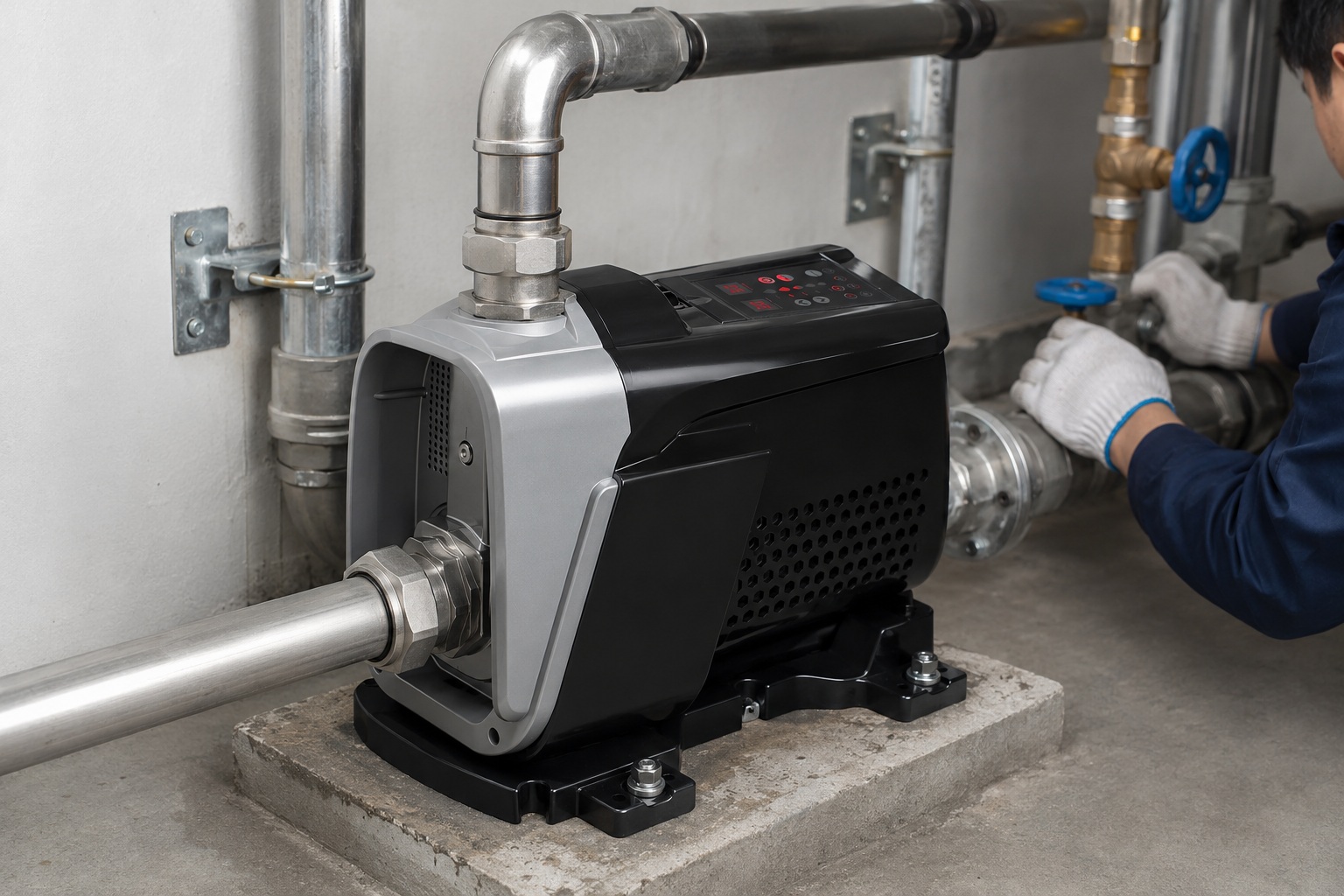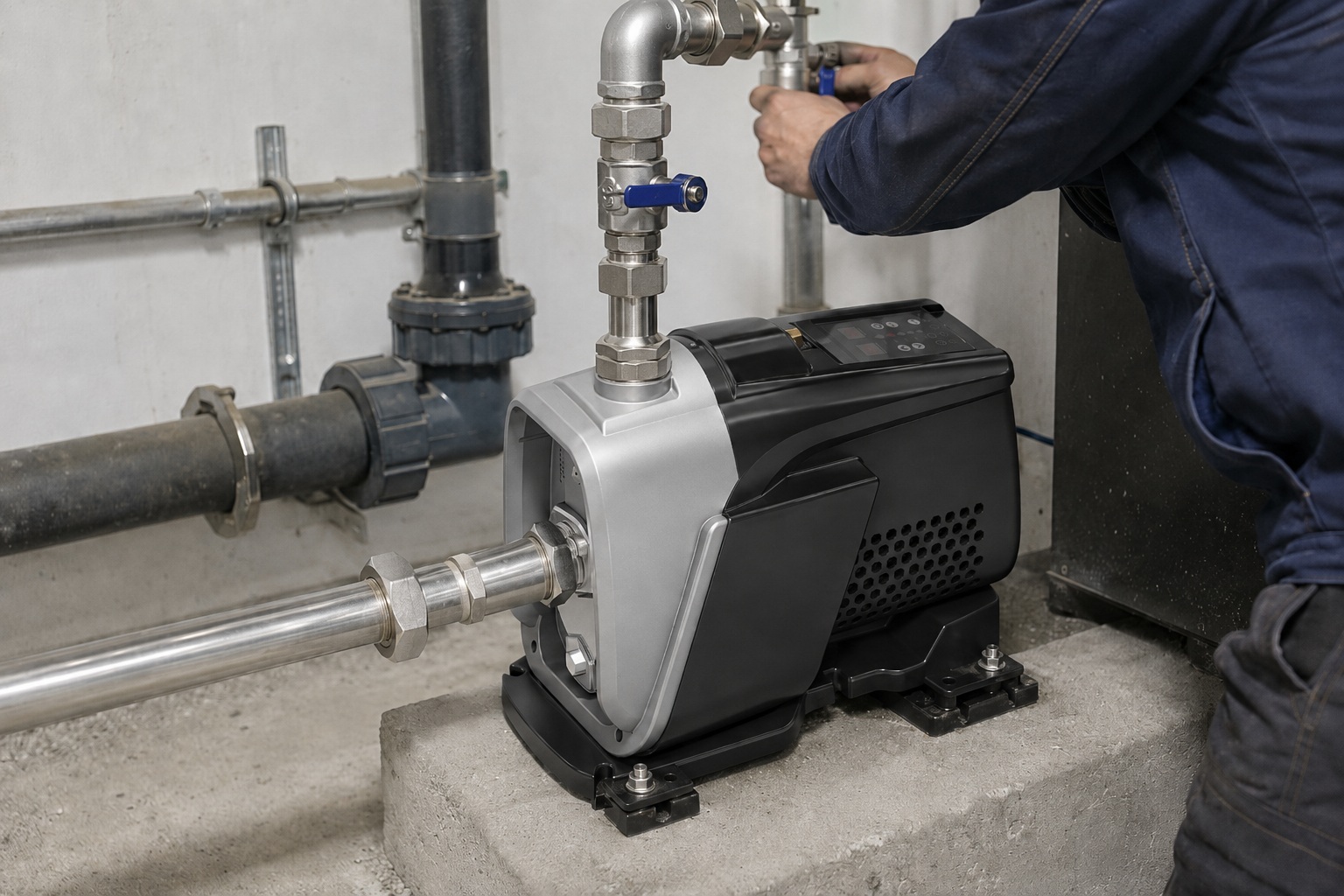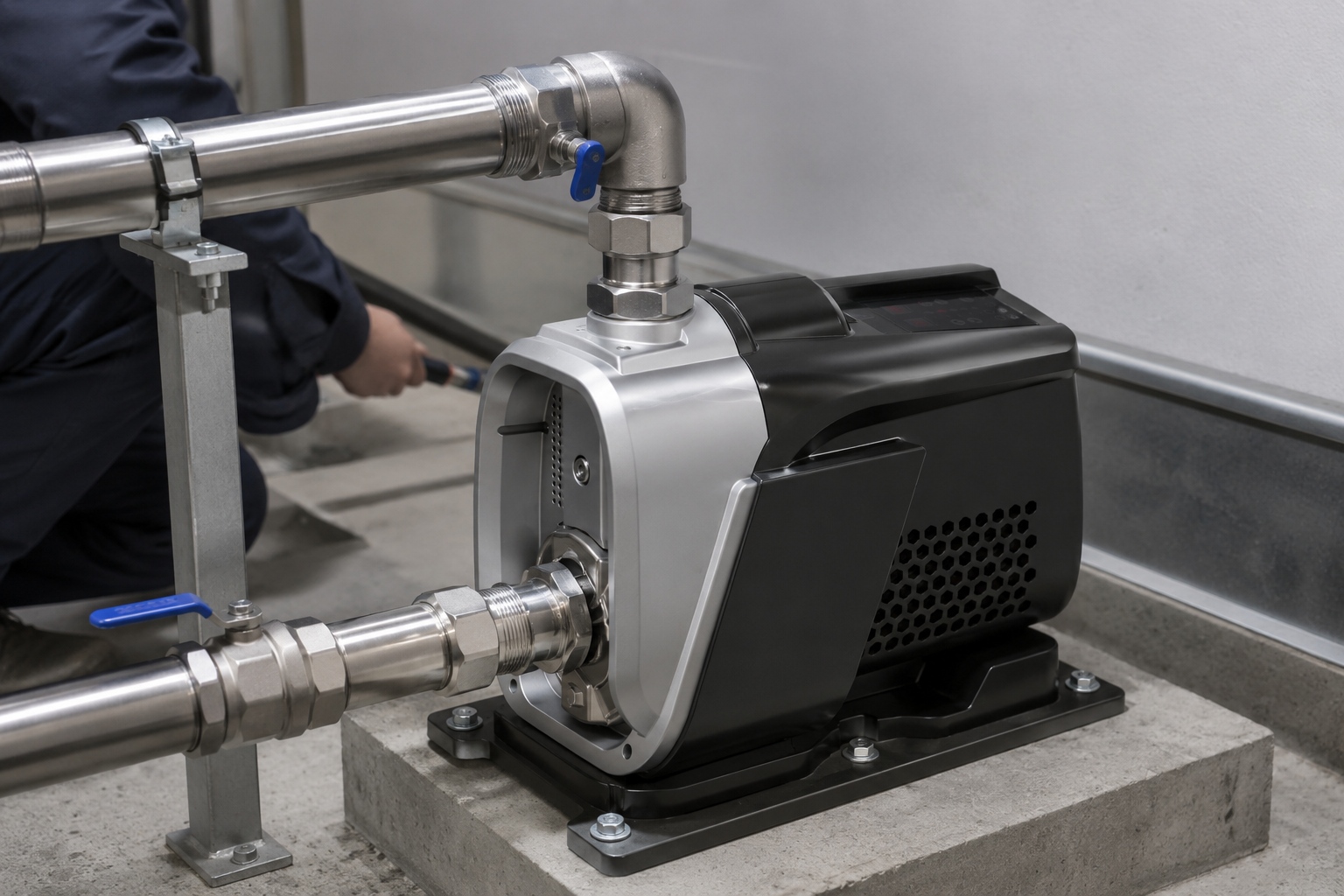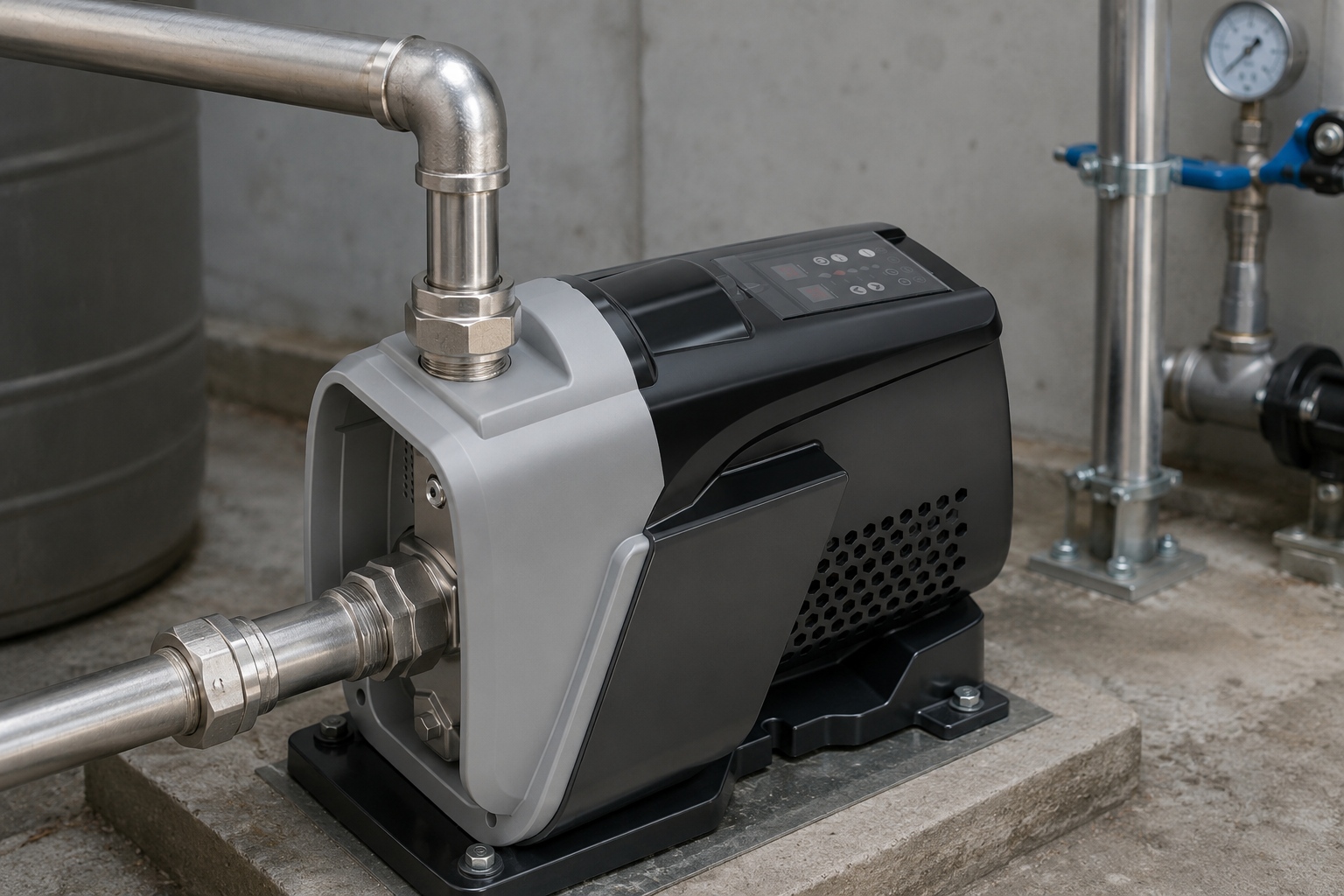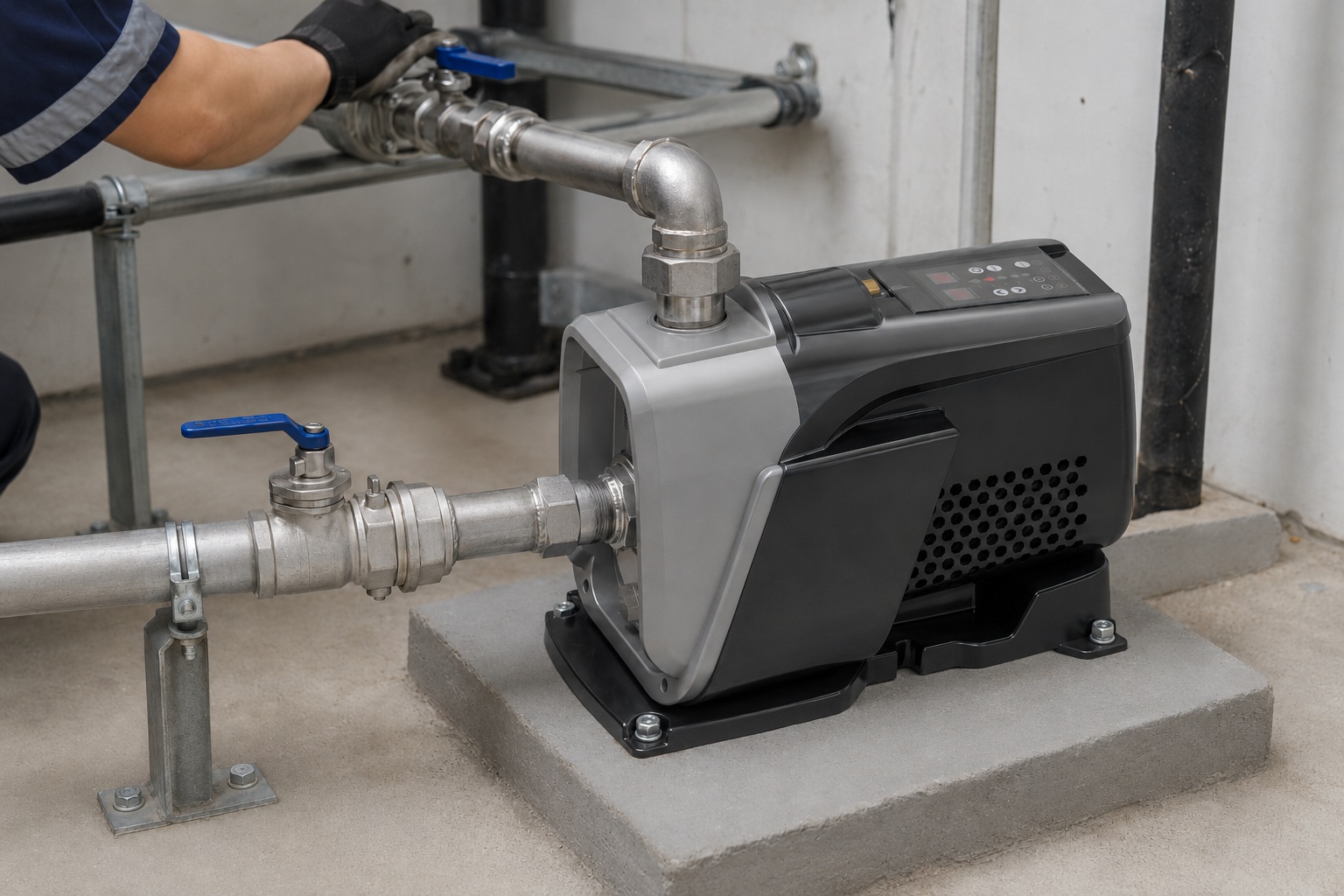
Running a property on well water feels great until the pump fails.
Suddenly, you have no water, leaving you with a major problem and an urgent need for a solution.
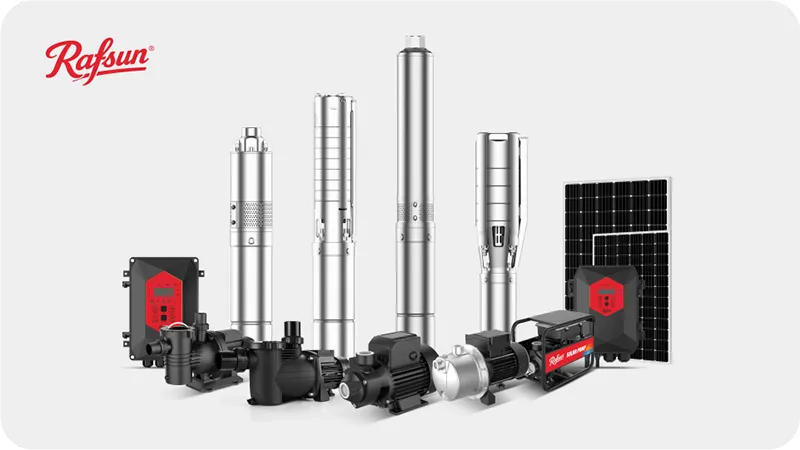
The four main types of well pumps are submersible pumps, shallow well jet pumps, convertible jet pumps, and solar well pumps.
Each type is designed for specific well depths and water needs, from deep wells requiring high power to off-grid solar solutions.
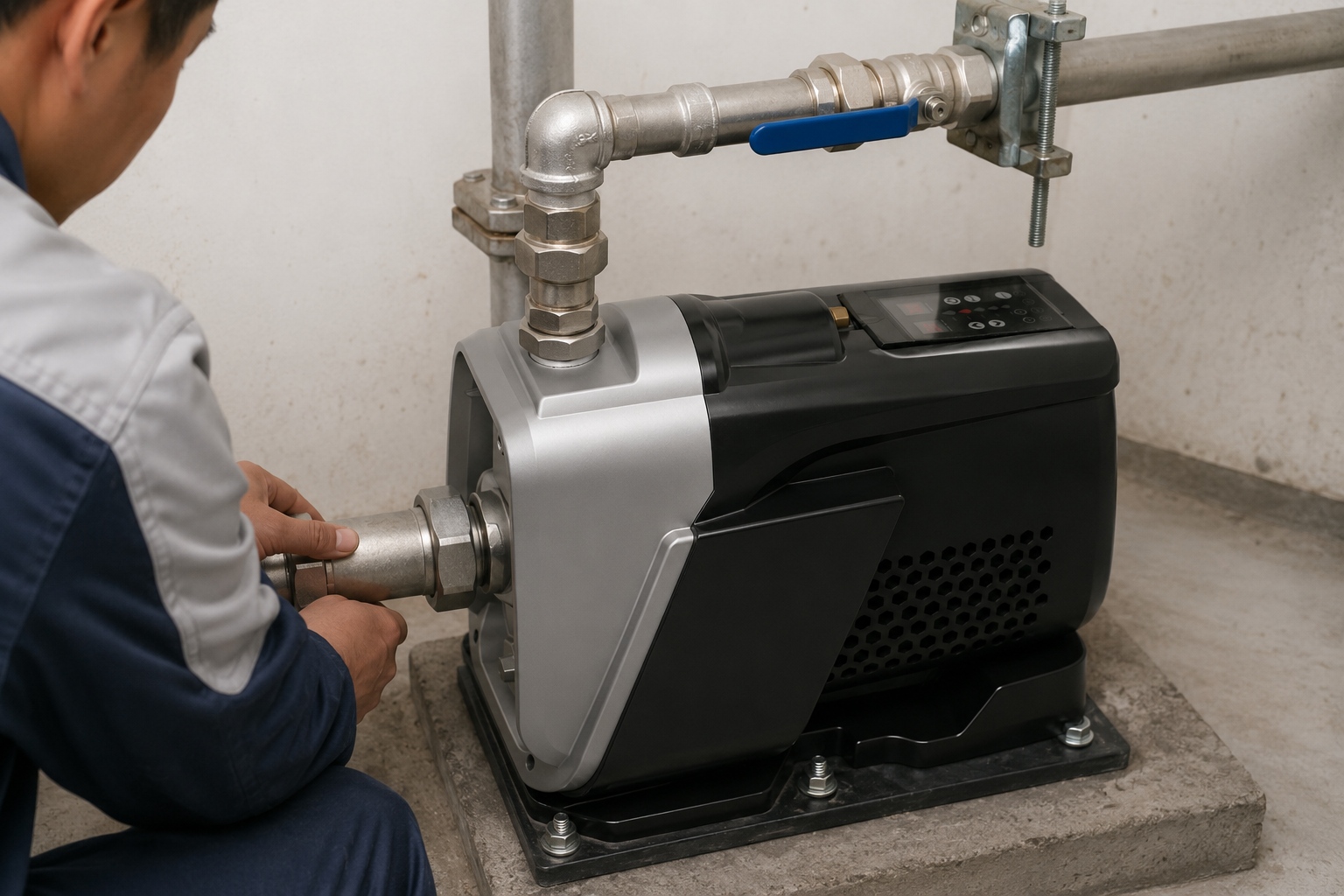
Choosing the right well pump is crucial for a reliable water supply.
The pump you need depends on your well’s depth, the water table level, and your household’s daily water demand.
This guide will break down the four primary types of well pumps.
We will explore how each one works, its ideal application, and its unique pros and cons.
By the end, you’ll have a clear understanding to help you make an informed decision for your water system needs.
1. Submersible Pumps
Struggling with a deep well that other pumps can’t reach?
A weak pump leads to low water pressure and an unreliable supply, causing daily frustration for your household or business.
Submersible pumps are your best solution for deep wells.
They are fully submerged in the well water and push water to the surface, providing consistent, high-pressure flow.
This design is highly efficient for depths over 25 feet.
A submersible pump is a single unit containing both the pump and the motor.
This entire assembly is lowered into the well casing and submerged below the water level.
Unlike jet pumps that pull water, submersible pumps push it upwards.
This pushing mechanism is far more energy-efficient, especially for deep wells, as it doesn’t have to fight gravity and atmospheric pressure to the same extent as a suction pump.
It’s the reason why over 75% of new deep well installations utilize submersible pumps.
How They Work
The pump’s motor is hermetically sealed to prevent water intrusion.
When activated, the motor powers a series of stacked impellers.
Each impeller is a spinning disk with vanes that centrifugally forces water into the stage above it.
As water moves up through each stage, its pressure increases significantly.
By the time the water exits the final impeller stage and enters the drop pipe, it has enough pressure to travel all the way to the surface and into your pressure tank.
Ideal Applications
Submersible pumps are the go-to choice for deep wells, typically those exceeding 25 feet (7.6 meters).
They can operate effectively at depths of 400 feet (122 meters) or more.
Their power and efficiency make them suitable for a wide range of needs, from single-family homes to agricultural irrigation and small commercial properties.
They can deliver high flow rates, measured in gallons per minute (GPM), to meet substantial water demands.
Key Advantages and Disadvantages
Understanding the pros and cons is vital for making the right choice.
Submersible pumps offer superior performance but come with their own set of considerations.
| Feature | Advantage | Disadvantage |
|---|---|---|
| Efficiency | Pushing water is more energy-efficient than pulling it, resulting in lower electricity bills (up to 30% savings). | Higher initial purchase price compared to jet pumps. |
| Longevity | Being submerged keeps the motor cool, extending its lifespan. Many last 15-25 years. | Repairs can be complex and expensive, requiring the entire pump to be pulled from the well. |
| Performance | Delivers high pressure and high flow rates, ideal for modern homes with multiple bathrooms and appliances. | Sensitive to sediment and sand, which can wear down impellers and cause premature failure. |
| Operation | Runs silently since it’s deep underground. It does not require priming after initial installation. | Diagnosis of problems can be difficult without pulling the pump from the well. |
Ultimately, a submersible pump represents a long-term investment in a reliable, high-performance water system, especially for properties with deep wells.
2. Shallow Well Jet Pumps
Is your well less than 25 feet deep?
Using a pump that’s too powerful is inefficient and expensive, while one that’s too weak won’t provide adequate water pressure for your needs.
A shallow well jet pump is the perfect solution for wells up to 25 feet deep.
It’s an affordable, easy-to-install pump that sits above ground and uses suction to pull water from your shallow well, providing reliable water flow for your home.
A shallow well jet pump is a type of centrifugal pump that is mounted above the well, typically in a basement or a small pump house.
It works by creating a vacuum to draw water up from the well through a single suction pipe.
This design is simple, cost-effective, and easy to access for maintenance, making it a popular choice for homes with a high water table.
These pumps are very common in regions where groundwater is easily accessible, accounting for a significant portion of the market for residential wells under 25 feet.
How They Work
The jet pump operates using a clever combination of a centrifugal pump and a jet ejector.
The pump first needs to be primed, meaning the casing and suction pipe must be filled with water.
Once started, the motor spins an impeller, which moves the water from the inlet to the outlet.
A portion of this pressurized water is then redirected down into the ejector nozzle, located in the pump housing.
This high-velocity jet of water creates a low-pressure zone (a partial vacuum), which draws water from the well up the suction pipe.
This new water then combines with the recirculated water and is discharged to the plumbing system.
Ideal Applications
As the name implies, shallow well jet pumps are designed exclusively for wells where the vertical distance to the water is 25 feet (7.6 meters) or less.
They are an excellent choice for:
- Residential Homes: Supplying water to small or medium-sized houses from a shallow well.
- Cabins and Cottages: Providing a simple and affordable water solution for vacation properties.
- Lawn Sprinkling: Powering small-scale irrigation systems for gardens and lawns.
It is crucial to accurately measure your well’s water level, as attempting to use a shallow well pump on a deeper well will result in failure to draw water.
Choosing the Right Model
Selecting the correct shallow well jet pump depends on a few factors.
You need to consider the required flow rate (GPM) and pressure (PSI) for your household.
| Material | Use Case | Durability |
|---|---|---|
| Cast Iron | Standard residential use, very durable and long-lasting. | Excellent, but can rust over time if not properly maintained. |
| Stainless Steel | Areas with corrosive water; offers superior resistance to rust. | Very high, often comes with a longer warranty. |
| Thermoplastic | Budget-friendly option, lightweight and corrosion-proof. | Good, but may not be as impact-resistant as metal options. |
Modern shallow well pumps often come with features like overload protection and pressure switches to automate their operation.
While they are easier to maintain than submersible pumps, they must be protected from freezing temperatures to prevent the pump casing from cracking.
3. Convertible Jet Pumps
Does your water level fluctuate around the 25-foot mark?
A shallow well pump will fail if the water drops too low, while a deep well submersible is overkill for a well that’s usually shallow.
Convertible jet pumps solve this problem.
They can be configured for either shallow wells (under 25 feet) or deep wells (up to 90 feet), offering flexibility as your water table changes seasonally.
A convertible jet pump provides versatility that other pumps do not.
The pump itself is located above ground, just like a shallow well pump.
However, it can be adapted for different well depths by changing the configuration of its jet ejector.
For shallow wells, the ejector is bolted to the front of the pump.
For deep wells, the ejector is moved down into the well itself, requiring a two-pipe system.
This adaptability makes them a valuable option for wells with fluctuating water levels or for property owners who are unsure of their exact well depth.
How They Work in Each Configuration
The brilliance of the convertible pump lies in the placement of the jet ejector.
The fundamental principle of creating a vacuum to draw water remains the same, but its application changes.
Shallow Well Setup
In this configuration, the pump functions exactly like a standard shallow well jet pump.
- A single pipe goes down into the well.
- The jet ejector is attached directly to the pump housing.
- It’s effective for water levels up to 25 feet.
Deep Well Setup
This setup is more complex and allows the pump to draw water from much deeper.
- Two pipes—a drive pipe and a suction pipe—are sent down the well.
- The jet ejector is detached from the pump and installed on the end of the two pipes, submerged in the water.
- The pump sends a portion of pressurized water down the drive pipe to the ejector.
- The ejector creates a vacuum, drawing well water into the suction pipe.
- The mixture of drive water and well water then travels up the suction pipe to the pump.
This two-pipe system allows the pump to effectively draw water from depths of up to 90 feet (about 27 meters).
Performance and Considerations
While versatile, convertible jet pumps have trade-offs compared to specialized pumps.
| Aspect | Shallow Well Mode | Deep Well Mode |
|---|---|---|
| Efficiency | Good efficiency, comparable to a dedicated shallow well pump. | Less efficient than a submersible pump for the same depth due to energy losses in the two-pipe system. |
| Pressure/Flow | Strong performance for shallow applications. | Performance (GPM and PSI) decreases as the well depth increases. |
| Installation | Simple, single-pipe setup. | More complex two-pipe installation and ejector placement is critical. |
Convertible jet pumps are an excellent compromise when flexibility is the top priority.
They are particularly useful in areas prone to drought, where the water table might drop significantly, rendering a shallow well pump useless.
However, for a consistently deep well (e.g., over 100 feet), a submersible pump remains the more efficient and powerful choice.
4. Solar Well Pumps
Need to pump water in a remote, off-grid location?
Running power lines is extremely expensive, and using a generator is noisy, requires constant refueling, and produces emissions.
This makes traditional pumping methods impractical.
Solar well pumps provide a clean, quiet, and self-sufficient solution.
They use photovoltaic (PV) panels to power the pump directly from sunlight, eliminating the need for grid electricity or fuel and offering true energy independence.
A solar well pump system consists of three main components: solar panels, a controller, and the pump itself.
The pump can be either a submersible or a surface type, depending on the application.
These systems are designed for high efficiency and can operate even on overcast days, albeit at a reduced flow rate.
The initial investment can be higher than for conventional pumps, but the operating costs are virtually zero, leading to a payback period of just a few years in many cases.
The global market for solar pumps is growing at over 10% annually, driven by falling PV panel costs and a rising need for off-grid water solutions.
How They Work
The process is elegantly simple and environmentally friendly.
- Energy Capture: Solar panels, made of silicon photovoltaic cells, convert sunlight directly into DC (Direct Current) electricity.
- Power Management: A sophisticated controller optimizes the power from the panels and delivers it to the pump motor. The controller also provides vital protections, such as running dry protection (stopping the pump if the well runs out of water) and over-voltage protection.
- Water Pumping: The DC motor runs the pump to move water. Many modern solar pumps use brushless DC motors, which are highly efficient (over 90%) and require very little maintenance.
Some systems include batteries to store energy, allowing the pump to operate at night or during extended cloudy periods, but this adds cost and complexity.
Most systems are designed to pump water into a large storage tank during sunny hours, ensuring water is available 24/7.
Applications and Advantages
Solar well pumps are uniquely suited for a variety of challenging situations.
Key Use Cases
- Livestock Watering: Providing water for cattle in remote pastures far from power sources.
- Off-Grid Homes: Supplying all water needs for a residence that is not connected to the electrical grid.
- Drip Irrigation: Powering efficient irrigation systems for small-scale agriculture in developing nations or remote farms.
- Community Water Supply: Filling village storage tanks in areas without reliable electricity.
Major Benefits
| Benefit | Description |
|---|---|
| Energy Independence | Operates entirely off-grid, free from power outages and rising electricity costs. No fuel is ever required. |
| Low Operating Cost | After the initial purchase, the energy from the sun is free. Maintenance is minimal. |
| Environmentally Friendly | Produces zero emissions and has a low carbon footprint over its lifecycle. |
| Reliability & Durability | With few moving parts and robust brushless motors, these systems are designed to last for decades. |
While the flow rate may vary with the intensity of the sun, a properly sized system with a storage tank can provide a more reliable long-term water supply than a generator-powered pump in an off-grid setting.
Conclusion
Understanding the four main types of well pumps—submersible, shallow well jet, convertible jet, and solar—equips you to select the most efficient and reliable option for your specific water system needs.
FAQs
What is the most common type of well pump?
Submersible pumps are the most common type for modern residential wells, especially for depths greater than 25 feet, due to their high efficiency and reliability.
How long do well pumps last?
A well-maintained submersible pump can last 15 to 25 years. Jet pumps typically have a shorter lifespan, often around 8 to 15 years, as they are located above ground.
Can I replace my own well pump?
Replacing a shallow well jet pump can be a DIY project for those with plumbing experience. However, replacing a submersible pump is a complex job that usually requires professional assistance and special equipment.
How do I know what size well pump I need?
Sizing a well pump depends on your well’s depth, recovery rate, and your home’s peak water demand (GPM). It’s best to consult a professional for accurate sizing.
What happens if a well pump is too big?
An oversized pump will cycle on and off too frequently. This causes premature wear on the pump motor and pressure switch, leading to early failure and wasted energy.
Are solar well pumps reliable?
Yes, modern solar well pumps are very reliable. They use durable brushless motors and are designed to function for over 20 years with minimal maintenance, even in harsh conditions.