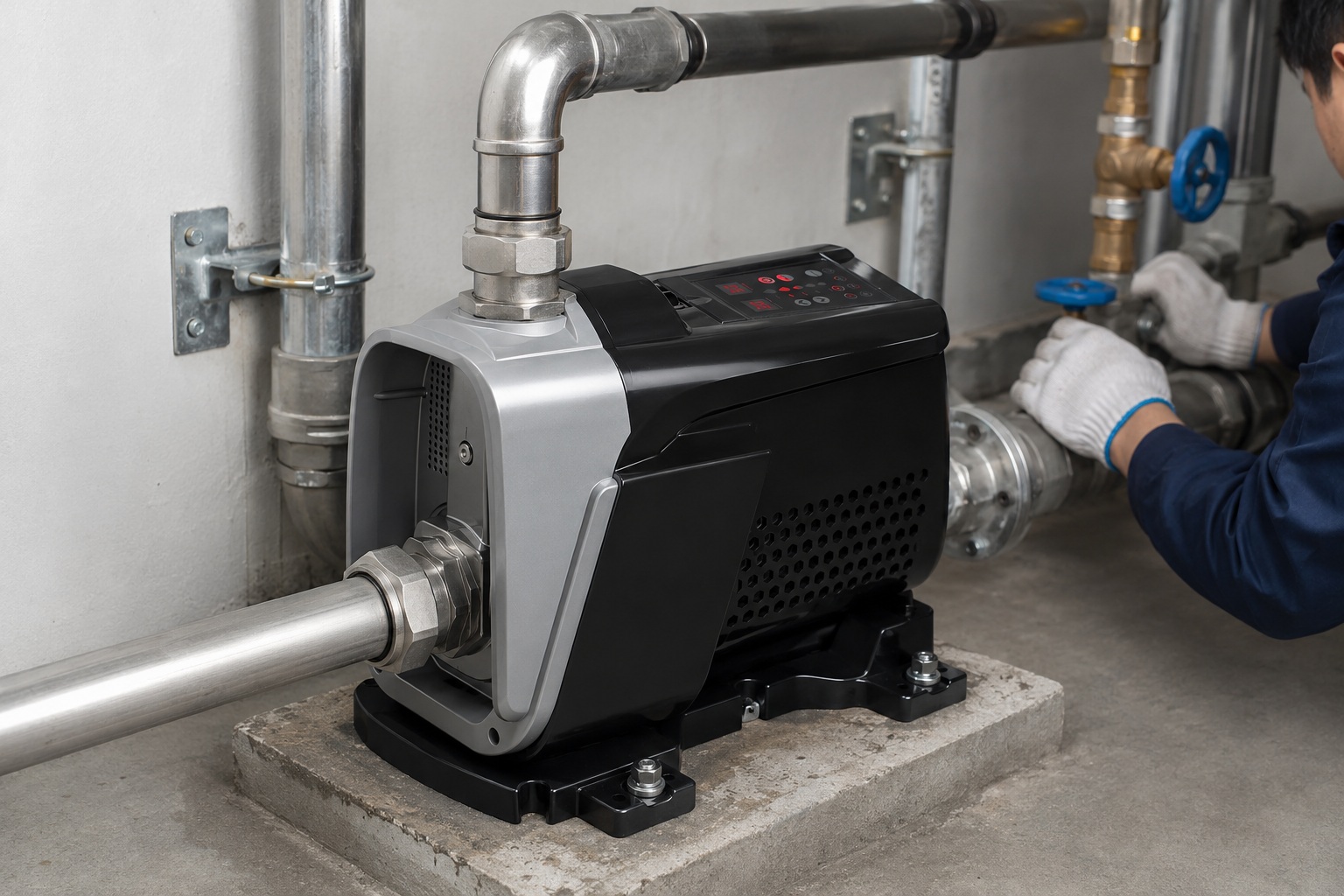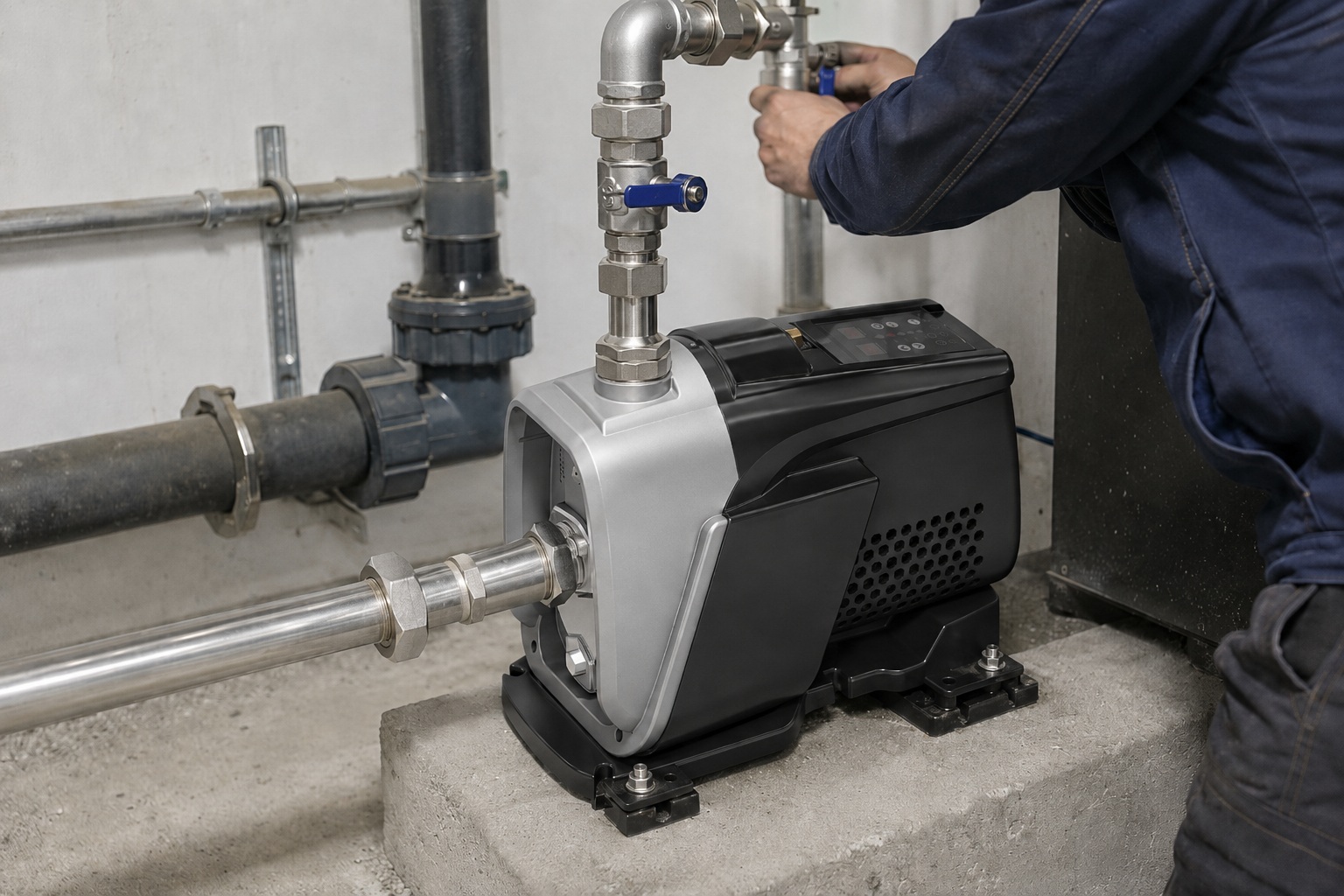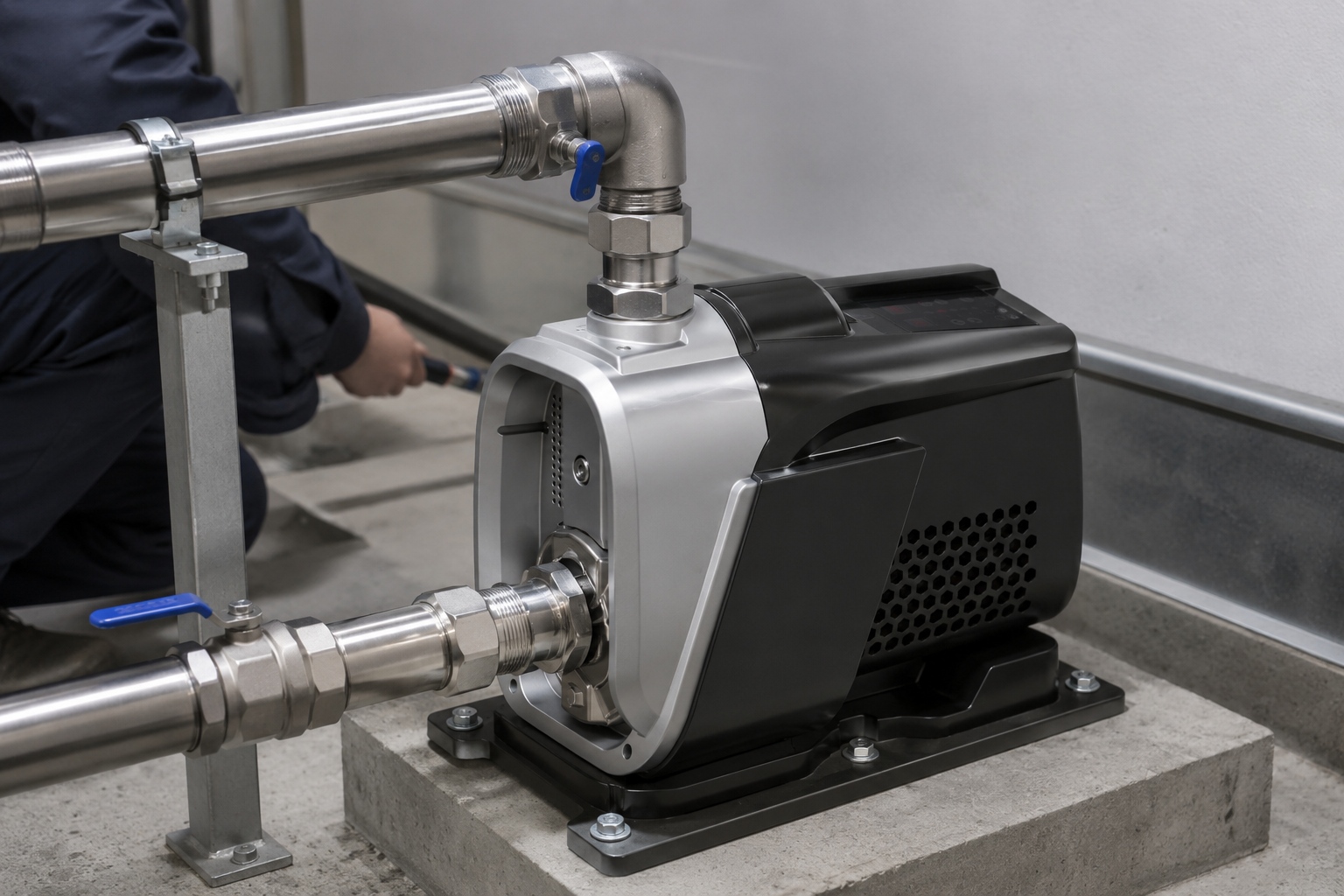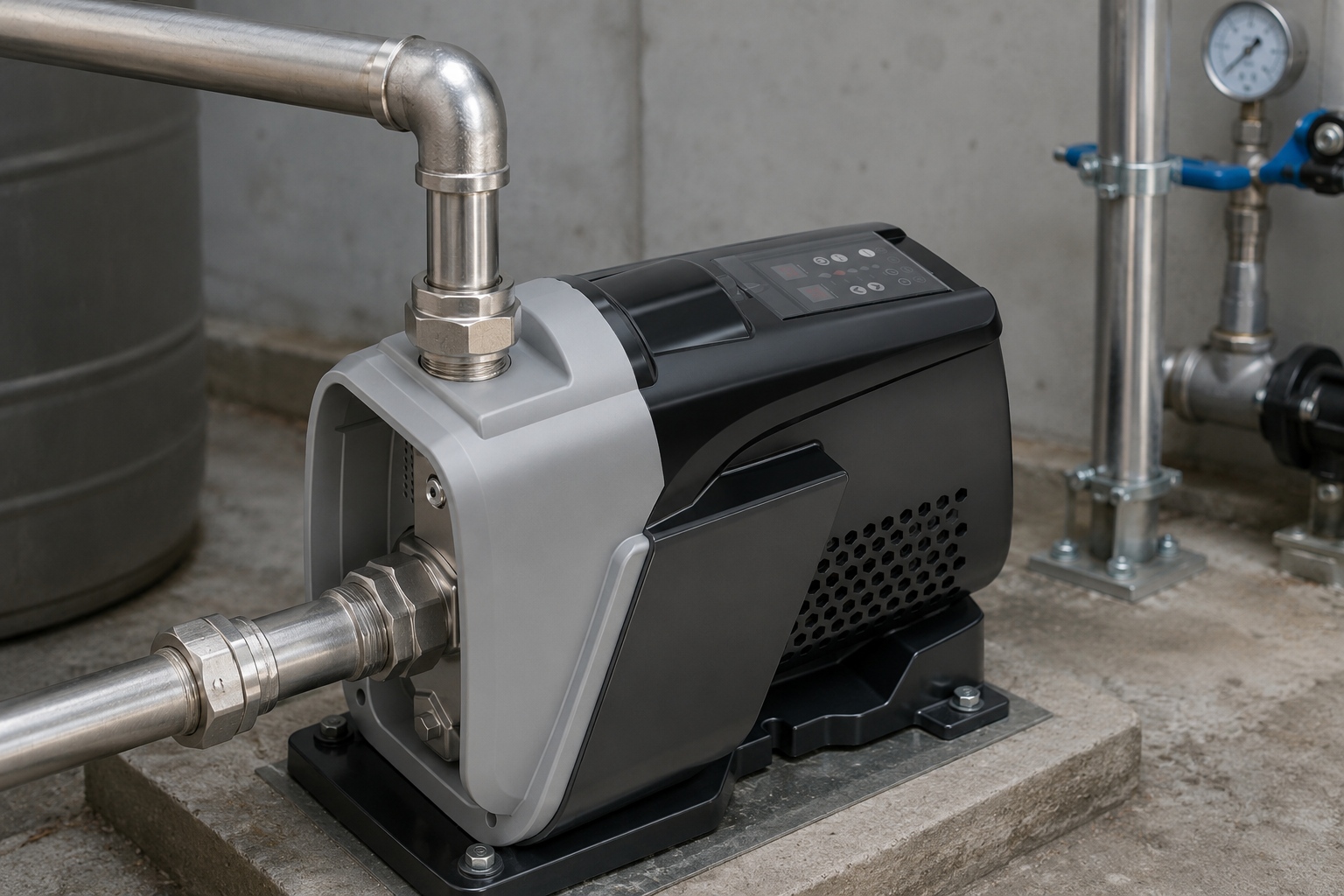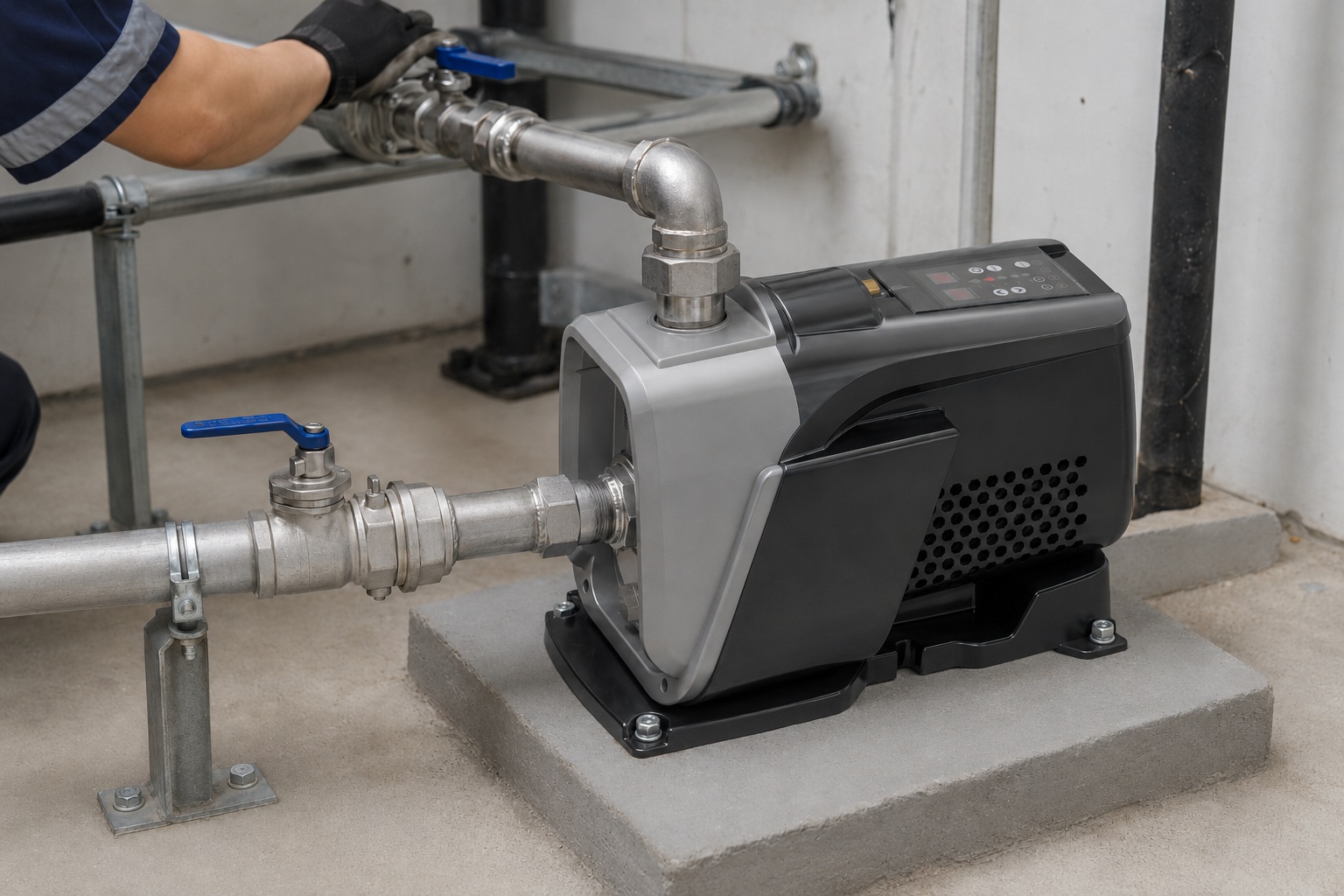
Struggling to choose the right pump?
The wrong choice can lead to inefficiency and high costs.
Understanding the main types is the first step to a better solution.
The two main categories of pumps are Dynamic Pumps (like centrifugal pumps) and Positive Displacement (PD) Pumps. Dynamic pumps use high-speed impellers to create fluid velocity and pressure, ideal for high flow rates. PD pumps trap and displace fixed amounts of fluid, excelling at high-pressure, low-flow applications.
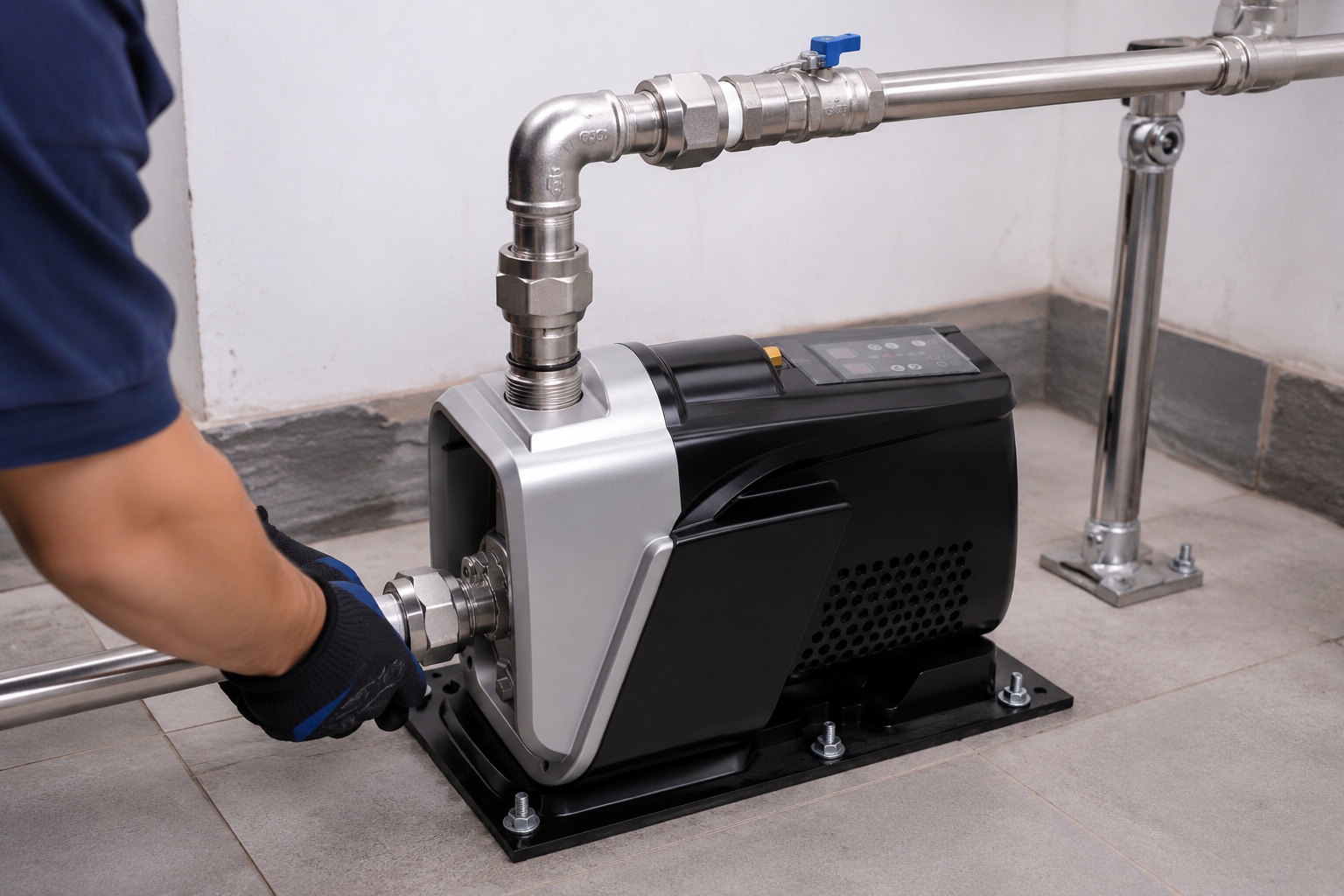
Understanding these two fundamental pump classifications is crucial for any application.
Each type operates on a different principle, making them suitable for vastly different tasks.
This guide will break down each category, exploring their subtypes and ideal uses.
Let’s dive deeper to ensure you select the most efficient and reliable pump for your needs.
Dynamic Pumps: The Velocity Creators
Your project demands high flow, but pressure seems inconsistent.
This can cause system bottlenecks and operational delays.
Dynamic pumps are designed to solve this by efficiently moving large fluid volumes.
Dynamic pumps, primarily centrifugal pumps, add energy to a fluid by increasing its velocity through a spinning impeller. This kinetic energy is then converted into pressure. They are best for applications requiring high, continuous flow rates, like municipal water supply and large-scale irrigation systems.
Dynamic pumps are a cornerstone of modern fluid handling, representing an estimated 75-80% of all pumps installed globally.
Their operation is based on a simple yet powerful principle derived from Bernoulli’s equation.
An impeller, which is a rotor with a series of vanes, spins at high speed.
This rotation imparts velocity (kinetic energy) to the fluid entering the pump.
The fluid is then directed into a specially shaped casing called a volute or a diffuser.
In the volute, the increasing area slows the fluid down.
This deceleration converts the kinetic energy into pressure energy, pushing the fluid out of the pump’s discharge port.
Centrifugal Pumps
The most common type of dynamic pump is the centrifugal pump.
They are valued for their simple design, which leads to lower initial costs and easier maintenance compared to other pump types.
Their key advantage is the ability to generate very high flow rates.
However, their performance is highly sensitive to the system’s operating conditions, particularly the backpressure (system head).
If the system head increases, the flow rate of a centrifugal pump will decrease significantly.
This relationship is clearly shown on a pump’s performance curve.
It’s also important to note that centrifugal pumps generally cannot handle highly viscous fluids or those with a high percentage of solids, as these can cause impeller wear and clogging.
| Feature | Description | Implication for Buyers |
|---|---|---|
| Operating Principle | Converts rotational energy to kinetic energy, then to pressure. | Simple design, often lower initial cost. |
| Flow Rate | Typically high and continuous. | Ideal for water transfer, circulation, and boosting. |
| Pressure Handling | Moderate pressure; flow is dependent on system pressure. | Not suited for very high-pressure, low-flow tasks. |
| Viscosity Limit | Best for low-viscosity fluids (e.g., water). | Performance drops by over 20% with even moderate viscosity increases. |
| Maintenance | Fewer wearing parts than PD pumps. | Lower maintenance costs and less downtime. |
Other Dynamic Pump Subtypes
While centrifugal pumps are dominant, other dynamic pump designs exist for specialized applications.
Axial Flow Pumps: These pumps move fluid parallel to the pump shaft, similar to a boat’s propeller.
They are designed for extremely high flow rates but at very low pressure (low head).
Think of them as high-volume movers, perfect for applications like flood control and large-scale water circulation in power plants.
Mixed Flow Pumps: As the name suggests, these are a hybrid between centrifugal and axial flow designs.
Fluid flows both radially and axially through the impeller.
They offer a compromise, providing higher flow rates than a standard centrifugal pump and more pressure than an axial flow pump.
This makes them suitable for medium-head, high-capacity services.
Understanding these subtypes allows for a more precise selection, matching the pump’s hydraulic characteristics directly to the system’s demands for optimal efficiency.
Positive Displacement (PD) Pumps: The Pressure Builders
Need to move a precise fluid volume against high pressure?
Centrifugal pumps can’t deliver, as their flow drops under pressure.
This is where Positive Displacement pumps excel, providing consistent, powerful flow.
Positive Displacement pumps work by trapping a fixed amount of fluid and then forcing (displacing) it into the discharge pipe. This mechanism allows them to produce the same flow rate regardless of the system pressure, making them ideal for high-pressure and metering applications.
Positive Displacement (PD) pumps are the workhorses for applications where pressure and precision are paramount.
Unlike dynamic pumps, a PD pump’s output flow is not significantly affected by the discharge pressure.
This makes them predictable and reliable for tasks that require a constant, metered volume of fluid.
The core principle involves a cavity that expands to draw in fluid, seals it off, and then shrinks to force the fluid out.
This cycle delivers a nearly constant flow rate at a given speed.
One critical safety consideration for PD pumps is that they can generate extremely high pressures if the discharge line is blocked.
They will continue to produce pressure until the line bursts, the pump is damaged, or the motor stalls.
For this reason, a pressure relief valve is a mandatory safety component in virtually all PD pump systems.
Reciprocating Pumps
This category of PD pumps uses a back-and-forth motion to move fluid.
They convert rotational energy from a motor into reciprocating motion via a crankshaft and connecting rod.
Piston Pumps: A piston moves back and forth inside a cylinder.
During the suction stroke, the piston retracts, drawing fluid into the cylinder through an inlet valve.
On the forward stroke, the piston pushes the fluid out through a discharge valve.
They are capable of generating some of the highest pressures, often exceeding 10,000 PSI, but their flow is pulsed.
Diaphragm Pumps: These use a flexible membrane (diaphragm) instead of a piston.
The diaphragm flexes back and forth, changing the volume of a chamber to pump the fluid.
A major advantage is the hermetic seal; the pumped fluid is completely isolated from the pump’s mechanical parts.
This makes them perfect for handling corrosive, abrasive, or sterile fluids where leakage is not an option.
Rotary Pumps
Rotary pumps use the rotation of meshing gears, lobes, or vanes to move fluid.
They provide a smoother, less pulsed flow compared to reciprocating pumps and are generally more compact.
| Pump Type | Operating Principle | Common Applications | Key Advantage |
|---|---|---|---|
| Gear Pumps | Meshing gears trap and move fluid around the casing. | Hydraulic systems, oil transfer, chemical metering. | Simple, cost-effective, handles high viscosity. |
| Lobe Pumps | Similar to gear pumps but lobes don’t touch. | Food processing, pharmaceuticals, slurry handling. | Gentle handling of solids and shear-sensitive fluids. |
| Vane Pumps | Vanes slide in and out of a rotor, trapping fluid. | Automotive power steering, low-pressure hydraulics. | Can handle low-viscosity fluids better than gear pumps. |
| Screw Pumps | Two or more intermeshing screws rotate to move fluid axially. | High-viscosity fluid transfer, crude oil pipelines. | High flow, low pulsation, handles entrapped gas. |
Choosing between a reciprocating and a rotary pump depends heavily on the application’s specific needs.
If the highest pressures are required, a piston pump is often the answer.
If a smooth, non-pulsating flow is needed for a viscous fluid, a screw or gear pump would be a better choice.
For sterile or aggressive chemicals, a diaphragm pump is the industry standard.
Each design offers a unique combination of pressure capability, flow characteristics, and fluid compatibility.
Conclusion
Pumps are broadly classified as Dynamic or Positive Displacement.
Choosing the right one depends entirely on your specific needs for flow, pressure, and fluid type.
FAQs
What is the main difference between centrifugal and positive displacement pumps?
A centrifugal pump’s flow varies with pressure, while a positive displacement pump delivers a constant flow regardless of pressure. This is the fundamental operational difference.
Can you use a positive displacement pump for water?
Yes, but it’s often inefficient for high-volume water transfer. They are better used for high-pressure water applications like pressure washing or reverse osmosis.
Which pump is more efficient?
Efficiency depends entirely on the application. A centrifugal pump is more efficient at its Best Efficiency Point (BEP) for high-flow tasks, while a PD pump is more efficient for high-pressure, low-flow tasks.
What happens if you run a centrifugal pump with the discharge valve closed?
Running a centrifugal pump with a closed discharge valve (dead-heading) causes the fluid to churn, generating significant heat. This can quickly damage the pump’s seals and internal components.
What is pump cavitation?
Cavitation is the formation and collapse of vapor bubbles inside a pump. It occurs when the suction pressure is too low, causing noise, vibration, and severe damage to the impeller.
Which pump can run dry?
Most pumps should not run dry. However, some PD pumps, like certain diaphragm or peristaltic pumps, can tolerate running dry for short periods without immediate catastrophic failure.
Do all positive displacement pumps need a relief valve?
Yes, virtually all positive displacement pump systems require a pressure relief valve. Without it, a blockage in the line could cause system pressure to build to dangerous levels.
How do I choose a pump for a viscous fluid?
For viscous fluids like oil or molasses, a positive displacement pump (like a gear, lobe, or screw pump) is almost always the correct choice, as centrifugal pumps lose performance rapidly.