Struggling to understand the complex manufacturing process?
You’re not alone.
Many find it overwhelming.
The seven steps of manufacturing are ideation and design, prototyping, sourcing, production, quality control, packaging and shipping, and post-sale service. Following these steps ensures a streamlined process from concept to customer, resulting in high-quality products delivered efficiently.
Understanding each stage of manufacturing is crucial.
It helps you make better decisions for your business.
These steps are the roadmap to turning a great idea into a successful product.
Whether you’re a seasoned importer or just starting, this guide will provide you with the clarity you need.
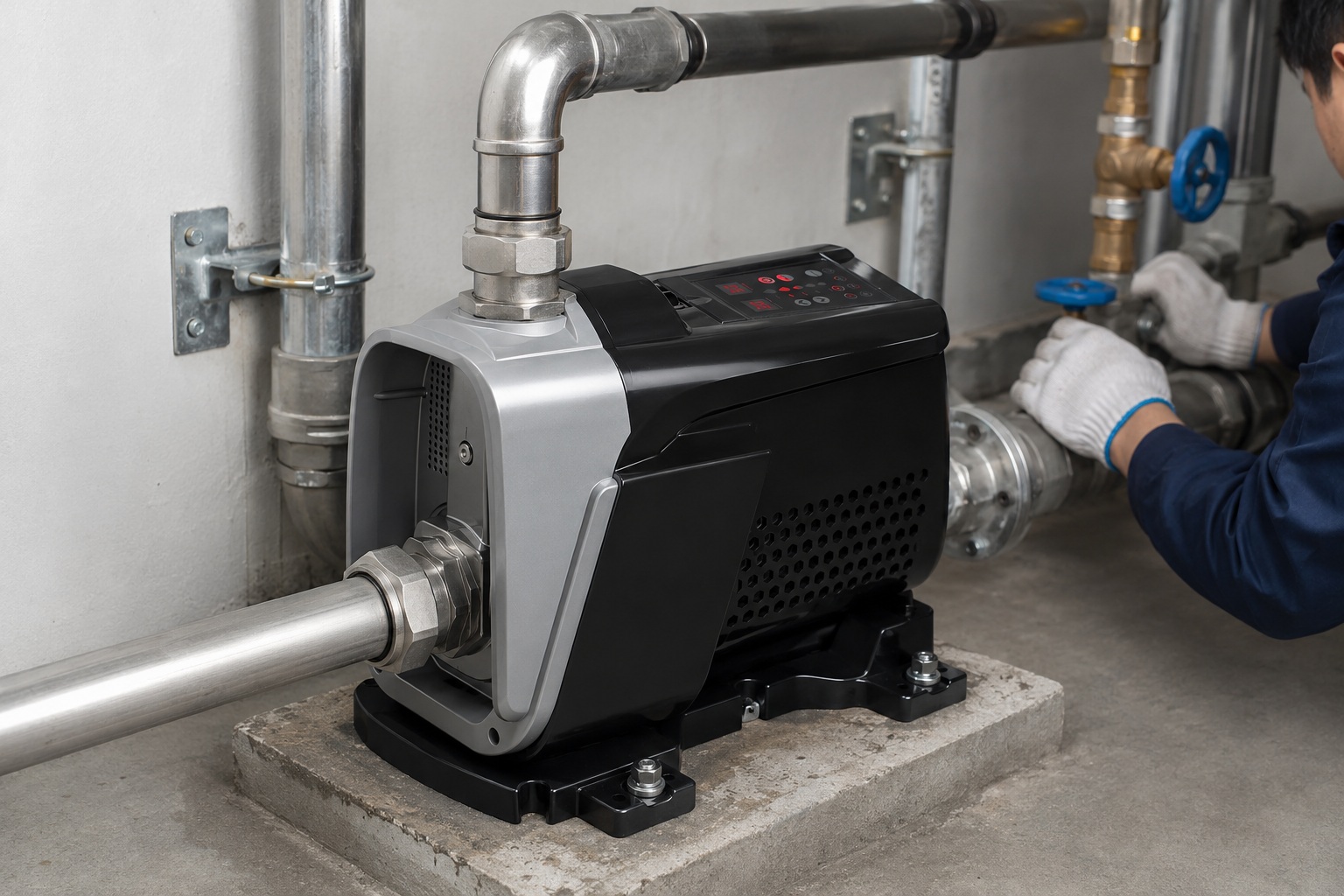
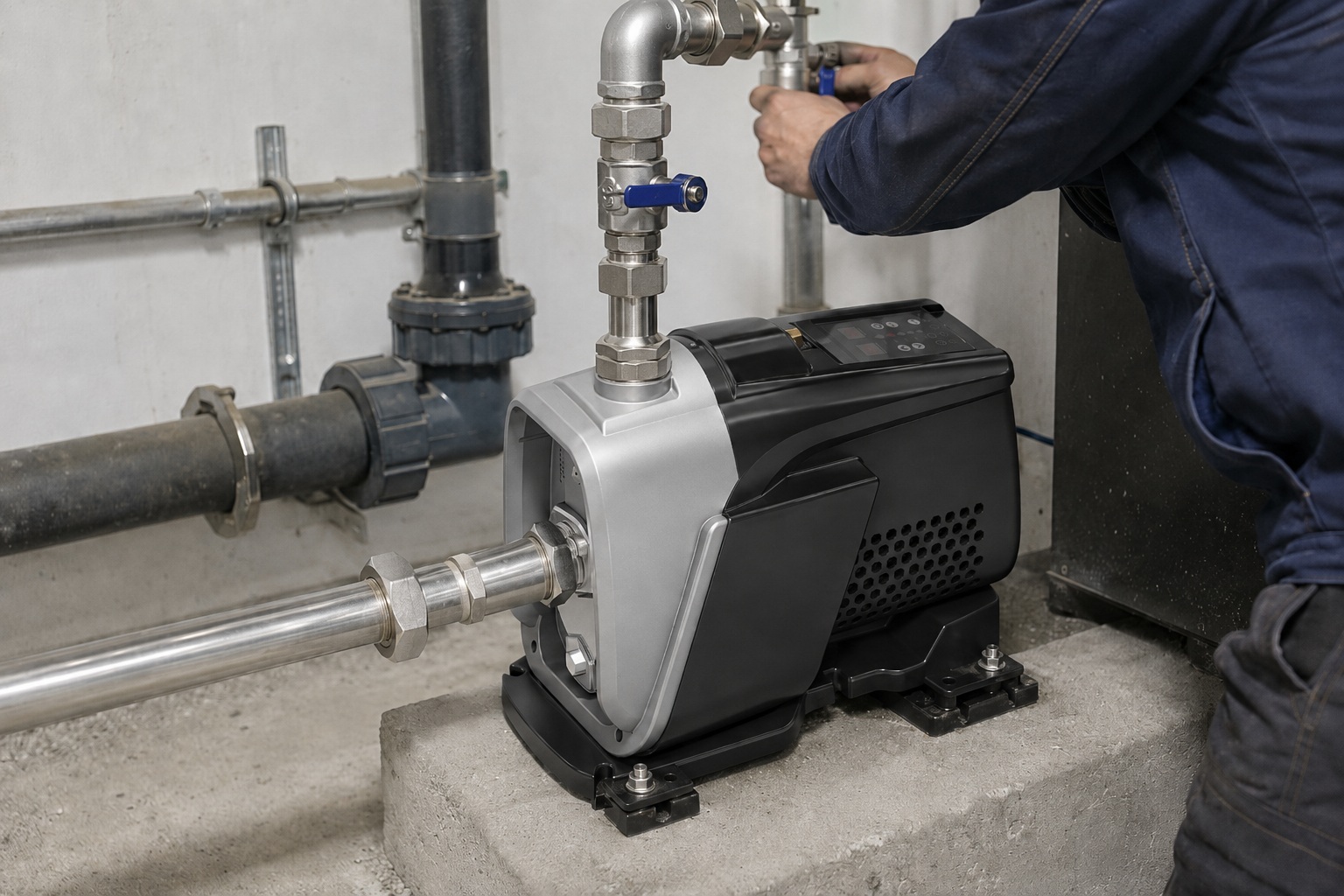
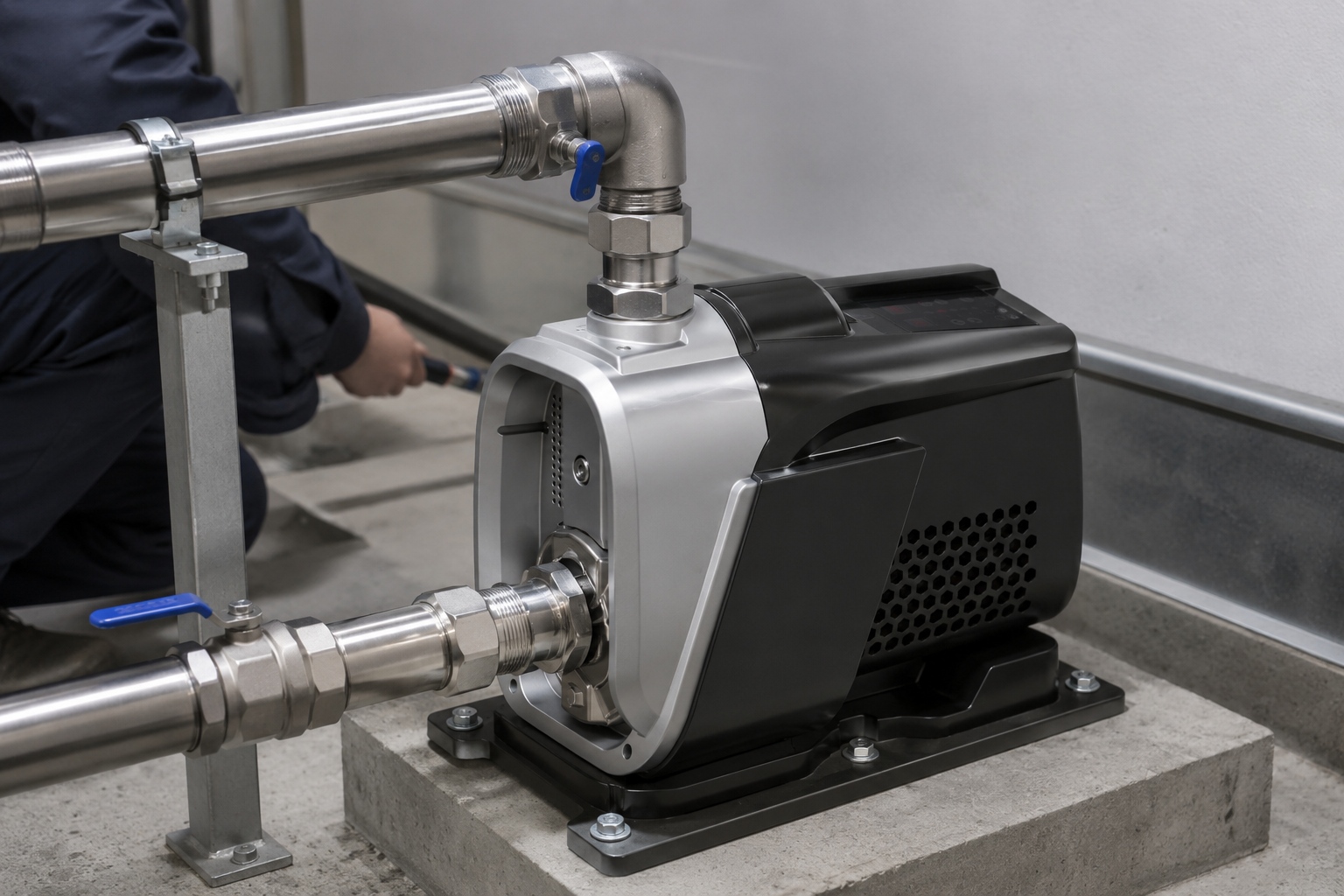
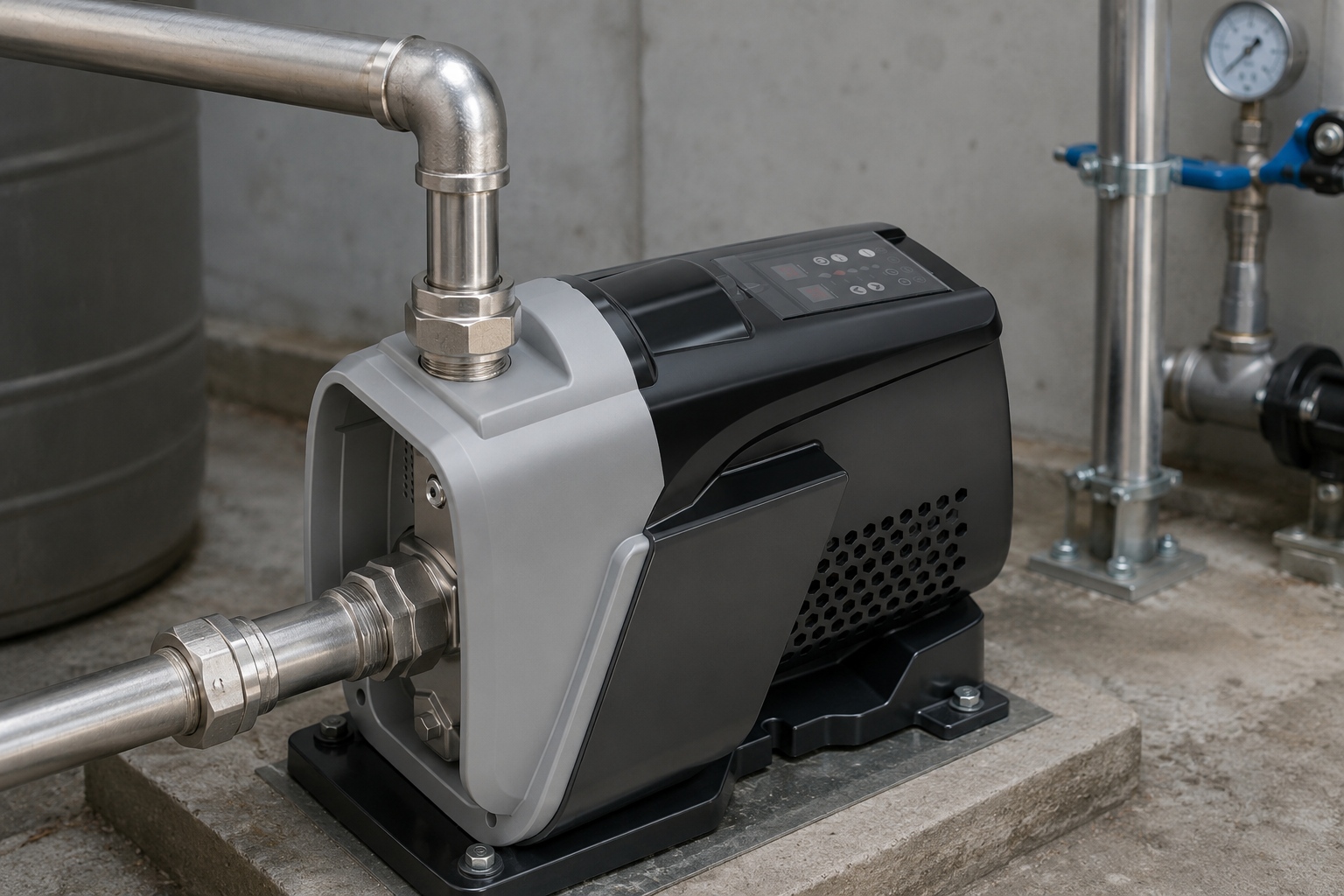
Let’s dive into each step to see how a product, like a high-performance water pump, comes to life.
1. Ideation and Design: The Birth of a Product
Your customers demand innovation.
But creating new, market-leading products is hard.
We turn ideas into reality.
Ideation and design is the first step where a product concept is born and developed. This stage involves market research, brainstorming, and creating detailed engineering blueprints. For instance, a new water pump design might aim for 30% higher energy efficiency.
This initial phase is arguably the most critical.
A flawed concept or design can lead to costly failures down the line.
It’s about more than just a good idea.
It’s about a viable idea.
The Spark of Innovation: From Idea to Blueprint
The journey of a product starts with a single question: "How can we do this better?".
This drives our R&D department of over 30 engineers.
We focus on identifying real-world problems.
For example, we saw a need for more energy-efficient water pumps in households.
This led to our focus on Intelligent Permanent Magnet Variable Frequency (VSD) pump technology.
Our 100+ technical patents are a testament to this commitment to innovation.
Market Research: Listening to the Customer
A great design solves a customer’s problem.
Before any drawing begins, we conduct extensive market research.
This involves analyzing trends and gathering feedback from customers like you in over 150 countries.
We look at data from 50,000+ customer reviews.
This helps us understand your needs, like the demand for pumps that can withstand harsh conditions.
For our Australian partners, this might mean designing pumps with superior resistance to heat and dust.
From Sketch to CAD: Formalizing the Design
Once we have a solid concept, our engineers get to work.
They use advanced Computer-Aided Design (CAD) software.
This allows them to create detailed 3D models and simulations.
Every component is meticulously designed and tested virtually.
This process helps us optimize performance and identify potential issues before a physical prototype is even made.
This digital-first approach can reduce development time by up to 40%.
| Design Stage | Key Activities | Outcome |
|---|---|---|
| Concept Generation | Brainstorming, market analysis, competitor review. | A portfolio of promising product ideas. |
| Feasibility Study | Technical and economic viability assessment. | A go/no-go decision on the concept. |
| Detailed Design | CAD modeling, material selection, component design. | Detailed engineering blueprints and schematics. |
| Design Review | Cross-functional team review, simulation testing. | A final, approved design ready for prototyping. |
2. Prototyping: Bringing the Design to Life
A design looks good on paper.
But will it work in the real world?
Prototyping provides the answer.
Prototyping is the second step where a functional, tangible version of the product is created. This allows for rigorous testing and refinement of the design before committing to mass production. It helps validate the design and uncover unforeseen issues.
The prototype is a crucial checkpoint.
It’s a chance to touch, feel, and test the product.
This step is where we bridge the gap between theory and reality.
It’s about getting it right before we scale up.
This can save millions in the long run.
Creating the First Model: More Than Just a Mock-up
A prototype is not just a visual model.
It’s a working sample.
It allows us to test the form, fit, and function of the new design.
Our R&D team uses rapid prototyping technologies, like 3D printing, to create prototypes quickly.
This allows for faster iteration and improvement.
For a new VSD pump, we would build a prototype to test its hydraulic performance, motor efficiency, and the responsiveness of its intelligent controls.
This hands-on approach is vital for ensuring the final product meets our high standards.
Rigorous Testing for Real-World Conditions
The prototype undergoes a battery of tests.
These tests simulate the conditions the product will face in its intended environment.
We don’t just test for performance.
We test for durability and reliability.
Our prototypes are subjected to extreme temperatures, humidity, and vibration tests.
This is where we validate our design choices. For example, a new pump for the South African market would undergo extensive testing to ensure it can handle fluctuating power supplies.
Refining the Design: An Iterative Process
The results from prototype testing provide valuable feedback.
This feedback is used to refine the design.
This might involve changing a material, adjusting a component’s dimensions, or tweaking the software.
This iterative cycle of building, testing, and refining continues until the prototype meets all performance and quality targets.
This meticulous process ensures that the final product is robust, reliable, and ready for mass production.
It’s how we can confidently offer products that our customers can rely on.
| Prototype Testing Phase | Test Type | Purpose |
|---|---|---|
| Functional Testing | Performance, efficiency, and operational checks. | To verify the product works as designed. |
| Durability Testing | Stress tests, endurance runs, material fatigue tests. | To assess the product’s lifespan and resilience. |
| Environmental Testing | Temperature, humidity, and ingress protection tests. | To ensure the product can withstand its environment. |
| Compliance Testing | Safety and regulatory standard checks. | To ensure the product meets legal requirements. |
3. Sourcing and Procurement: Gathering the Building Blocks
Your product is only as good as its components.
Finding reliable suppliers is a major challenge.
We have built a network of trusted partners.
Sourcing and procurement is the third step where all the raw materials and components needed for production are acquired. This involves selecting suppliers, negotiating contracts, and managing the supply chain to ensure a steady flow of high-quality materials.
This is a critical stage.
The quality of raw materials directly impacts the quality of the final product.
A robust supply chain is the backbone of efficient manufacturing.
It’s about getting the right materials, at the right price, at the right time.
This requires careful planning and strong relationships with suppliers.
Building a Resilient Supply Chain
A global supply chain is complex.
We have spent over a decade building strong relationships with our suppliers.
We work with a diverse range of suppliers to mitigate risks.
This ensures that we have a stable supply of materials, even in times of market volatility.
Our procurement team continuously monitors the market for new suppliers and materials.
This helps us maintain our competitive edge in both price and quality.
Our supply chain is designed to be both efficient and resilient.
Supplier Qualification: A Rigorous Process
We don’t just look for the lowest price.
We look for partners who share our commitment to quality.
Every potential supplier goes through a rigorous qualification process.
This includes on-site audits, quality system evaluations, and material testing.
We only work with suppliers who can consistently meet our strict quality standards.
This is the foundation of our Incoming Quality Control (IQC) process.
No material enters our production line without first passing this initial check.
Strategic Sourcing for Quality and Cost
Strategic sourcing is about balancing quality, cost, and delivery.
We leverage our production volume of 300,000+ units annually to negotiate favorable terms with our suppliers.
This allows us to source high-quality components at competitive prices.
For example, we source high-grade stainless steel for our pump bodies to ensure corrosion resistance.
We also work with our suppliers on continuous improvement initiatives.
This collaborative approach helps us to reduce costs and improve quality over time.
| Sourcing Stage | Key Activities | Importance |
|---|---|---|
| Supplier Discovery | Researching and identifying potential new suppliers. | To expand the supplier base and foster competition. |
| Supplier Evaluation | Audits, performance reviews, and quality checks. | To ensure suppliers meet our high standards. |
| Contract Negotiation | Agreeing on price, delivery schedules, and quality terms. | To secure favorable terms and mitigate risks. |
| Supply Chain Management | Monitoring supplier performance and managing logistics. | To ensure a smooth and an uninterrupted production flow. |
4. Production: The Assembly Line in Action
The design is finalized, and materials are ready.
Now, it’s time to build.
This is where precision and efficiency are paramount.
Production is the fourth step where the raw materials and components are transformed into a finished product. This involves a series of manufacturing processes, such as machining, assembly, and finishing, carried out on a production line.
This is the heart of manufacturing.
It’s where the product takes its final form.
Our facility in Taizhou operates 10 production lines.
We employ over 200 skilled workers.
They work together to assemble each product with care and precision.
This is where our engineering designs become a reality.
The Modern Factory: A Symphony of Humans and Machines
Our production floor is a blend of skilled craftsmanship and advanced automation.
We use robotic arms for repetitive and high-precision tasks.
This improves efficiency and consistency.
It also frees up our workers to focus on more complex tasks.
Our workers are highly trained in our assembly processes.
They are the experts who ensure that each pump is built to our exact specifications.
This combination of human expertise and automation allows us to produce high-quality products at scale.
Our annual production capacity exceeds 300,000 units.
Lean Manufacturing: Eliminating Waste
We are constantly looking for ways to improve our production processes.
We apply the principles of lean manufacturing to eliminate waste.
This includes minimizing inventory, reducing setup times, and optimizing workflows.
Our Line-side Quality Control (LQC) and Process Quality Control (PQC) systems help us identify and address issues in real-time.
This prevents defects from moving down the production line.
By focusing on continuous improvement, we can increase efficiency, reduce costs, and deliver better value to our customers.
A Focus on Precision: Building with Quality in Mind
Every step of the production process is carefully controlled.
We use precise tools and fixtures to ensure that every component is assembled correctly.
Our workers follow detailed work instructions.
This ensures that each product is built to the same high standard.
This attention to detail is what sets our products apart.
It’s how we can be sure that every pump that leaves our factory will perform flawlessly.
| Production Step | Description | Quality Control Checkpoint |
|---|---|---|
| Component Preparation | Machining, casting, and preparing individual parts. | Dimensional checks and material verification. |
| Sub-assembly | Assembling smaller modules of the product. | Functional tests on sub-assemblies. |
| Final Assembly | Putting all the sub-assemblies and components together. | In-process inspections and PQC checks. |
| Finishing | Painting, coating, and applying final touches. | Visual inspection for cosmetic defects. |
5. Quality Control and Testing: Ensuring Excellence
A product isn’t finished until it’s tested.
You expect quality and reliability.
We deliver on that promise.
Quality control and testing is the fifth and a crucial step where the finished product is thoroughly inspected and tested to ensure it meets all quality standards and specifications. This step is designed to catch any defects before the product reaches the customer.
This is a non-negotiable step.
We have a structured quality control system.
It covers every stage of our process.
It starts with IQC for raw materials.
And it goes all the way to OQA for finished goods.
Our commitment to quality is backed by international certifications like CE, IEC, and RoHS.
A Multi-layered Approach to Quality
Our quality control system is comprehensive.
It’s not just a final inspection.
It’s a series of checks and balances throughout the manufacturing process.
- Incoming Quality Control (IQC): We inspect all raw materials and components as soon as they arrive.
Any material that doesn’t meet our standards is rejected. - Line-side Quality Control (LQC): Our quality inspectors monitor the production line in real-time.
They look for any deviations from our standards. - Process Quality Control (PQC): We perform regular checks on the processes and equipment.
This ensures that they are operating correctly. - Outgoing Quality Assurance (OQA): Every finished product goes through a final inspection and testing before it’s packaged.
We test 100% of our pumps for performance and safety.
Testing to the Extreme: Beyond the Standards
We don’t just meet the standards.
We exceed them.
Our products undergo a series of punishing tests.
These are designed to simulate years of use in the harshest conditions.
For example, our pumps undergo 144+ hours of salt spray testing.
This ensures their resistance to corrosion.
They also go through 1000+ hours of UV resistance testing.
This is particularly important for products used outdoors, like solar water pumps.
These extreme tests give us the confidence to stand behind our products.
Data-Driven Quality Improvement
We collect data from every stage of our quality control process.
This data is analyzed to identify trends and areas for improvement.
If we see a recurring issue, we use root cause analysis to find and fix the problem.
This data-driven approach allows us to continuously improve our products and processes.
It’s a key part of our commitment to delivering zero-defect products.
We aim for a defect rate of less than 0.1%.
| Quality Control Protocol | Description | Key Metric Tracked |
|---|---|---|
| IQC | Inspection of all incoming raw materials and components. | Supplier defect rate. |
| LQC | Real-time monitoring of the assembly line. | First pass yield. |
| PQC | Regular checks on manufacturing processes and equipment. | Process capability index (Cpk). |
| OQA | Final inspection and testing of every finished product. | Customer complaint rate. |
6. Packaging and Shipping: The Final Mile
Your product is built and tested.
Now, it needs to get to you safely.
Poor packaging can lead to costly damage.
Packaging and shipping is the sixth step of the manufacturing process. This involves securely packaging the finished product to protect it during transit and then coordinating the logistics to deliver it to the customer or distributor.
This step is often overlooked.
But it is crucial for customer satisfaction.
A damaged product is a failed product.
We design our packaging to protect the product.
We also make it easy for you to handle.
We can even customize the packaging with your own brand.
Packaging: The First Line of Defense
Our packaging is more than just a box.
It’s an engineered solution.
We design it to protect the product from impact, vibration, and moisture.
We use a combination of materials.
This includes high-strength cardboard, molded foam inserts, and protective films.
We also perform drop tests and vibration tests on our packaged products.
This ensures they can withstand the rigors of international shipping.
For a B2B client like you, this means fewer returns due to shipping damage, which can be as high as 5-10% in some industries.
Branding and Customization: Your Brand, Your Box
We understand the importance of branding.
For our partners who want to build their own brand, we offer customized packaging solutions.
We can print your logo, brand colors, and product information on the boxes.
This helps you create a professional and consistent brand image in your market.
This is a valuable service for our medium to large local importers and distributors.
It allows you to own your brand from the moment your customer sees the product.
Logistics and Shipping: A Global Reach
We ship our products to over 150 countries.
This requires a sophisticated logistics operation.
We work with a network of reliable freight forwarders.
They help us find the most efficient and cost-effective shipping routes.
We handle all the export documentation.
This ensures a smooth customs clearance process.
We provide you with tracking information.
So you can monitor your shipment every step of the way.
From our factory in Taizhou, China, to your warehouse in Australia, we manage the entire process.
| Shipping Aspect | Our Approach | Benefit for You |
|---|---|---|
| Packaging Design | Custom-engineered to protect the product. | Reduced risk of shipping damage. |
| Customization | Private label packaging with your brand. | Enhanced brand presence in your market. |
| Logistics Management | Partnership with top-tier freight forwarders. | Cost-effective and reliable shipping. |
| Documentation | Expert handling of all export paperwork. | Hassle-free customs clearance. |
7. Post-Sale Service and Feedback: Closing the Loop
The sale doesn’t end with the delivery.
Your experience with the product is what matters most.
We are here to support you.
Post-sale service and feedback is the final step in the manufacturing cycle. It involves providing customer support, handling warranties, and collecting feedback to drive future product improvements. It’s a continuous loop of learning and improvement.
This is how we build long-term partnerships.
We are not just a supplier.
We are a partner in your success.
Your feedback is invaluable to us.
It helps us to understand your needs better.
It drives our innovation.
Customer Support: Here When You Need Us
We have a dedicated customer support team.
They are ready to answer your questions.
And to provide technical assistance.
Whether you need help with installation, troubleshooting, or ordering spare parts, we are here to help.
We offer support via email, phone, and video calls.
Our goal is to resolve your issues quickly and efficiently.
Our team is trained to support our global customer base.
Warranty and Repairs: Our Commitment to You
We stand behind the quality of our products.
All our products come with a comprehensive warranty.
In the unlikely event that you have an issue with one of our products, we will work with you to resolve it.
This may involve providing replacement parts or a new unit.
Our warranty process is straightforward and hassle-free.
Our goal is to minimize any disruption to your business.
The Feedback Loop: Driving Continuous Improvement
Your feedback is the most valuable resource for our R&D.
We actively collect feedback from our customers through surveys, reviews, and direct conversations.
This feedback helps us understand how our products are performing in the real world.
It gives us ideas for new features and improvements.
The 50,000+ customer reviews we’ve accumulated are a goldmine of information.
This customer-centric approach is what allows us to stay ahead of the competition.
It’s how we ensure that our next generation of products will be even better.
| Feedback Channel | How We Use It | Impact on Product Development |
|---|---|---|
| Customer Surveys | To gather structured feedback on product performance. | To identify broad trends and areas for improvement. |
| Online Reviews | To monitor customer satisfaction and identify specific issues. | To get candid, real-world insights into product use. |
| Direct Communication | Through our sales and support teams. | To understand the specific needs of our B2B partners. |
| Warranty Claims | To analyze failure modes and identify quality issues. | To drive improvements in our design and manufacturing processes. |
Conclusion
Manufacturing is a 7-step journey.
From idea to after-sales support.
Understanding this process empowers you to choose the right partner for your business, ensuring quality and success.
FAQs
What are the 4 types of manufacturing?
The four main types are casting and molding, machining, joining, and shearing and forming. Each has its specific applications and advantages.
What is the most important step in manufacturing?
While all steps are crucial, the design and quality control stages are often considered the most critical for a product’s success and reliability.
What are the 5 M’s of manufacturing?
The 5 M’s are Man, Machine, Method, Material, and Milieu (environment). They represent the key inputs that need to be managed for effective production.
How can I improve my manufacturing process?
You can improve it by implementing lean principles, investing in automation, training your workforce, and establishing a robust quality control system.
What is the role of technology in modern manufacturing?
Technology, such as robotics, AI, and IoT, plays a huge role in increasing efficiency, improving quality, and enabling smart manufacturing processes.
Why is supply chain management important in manufacturing?
It’s vital for ensuring a timely and cost-effective supply of materials, which helps avoid production delays and keeps costs under control.
What is lean manufacturing?
Lean manufacturing is a methodology focused on minimizing waste within manufacturing systems while simultaneously maximizing productivity. It’s about creating more value for customers with fewer resources.