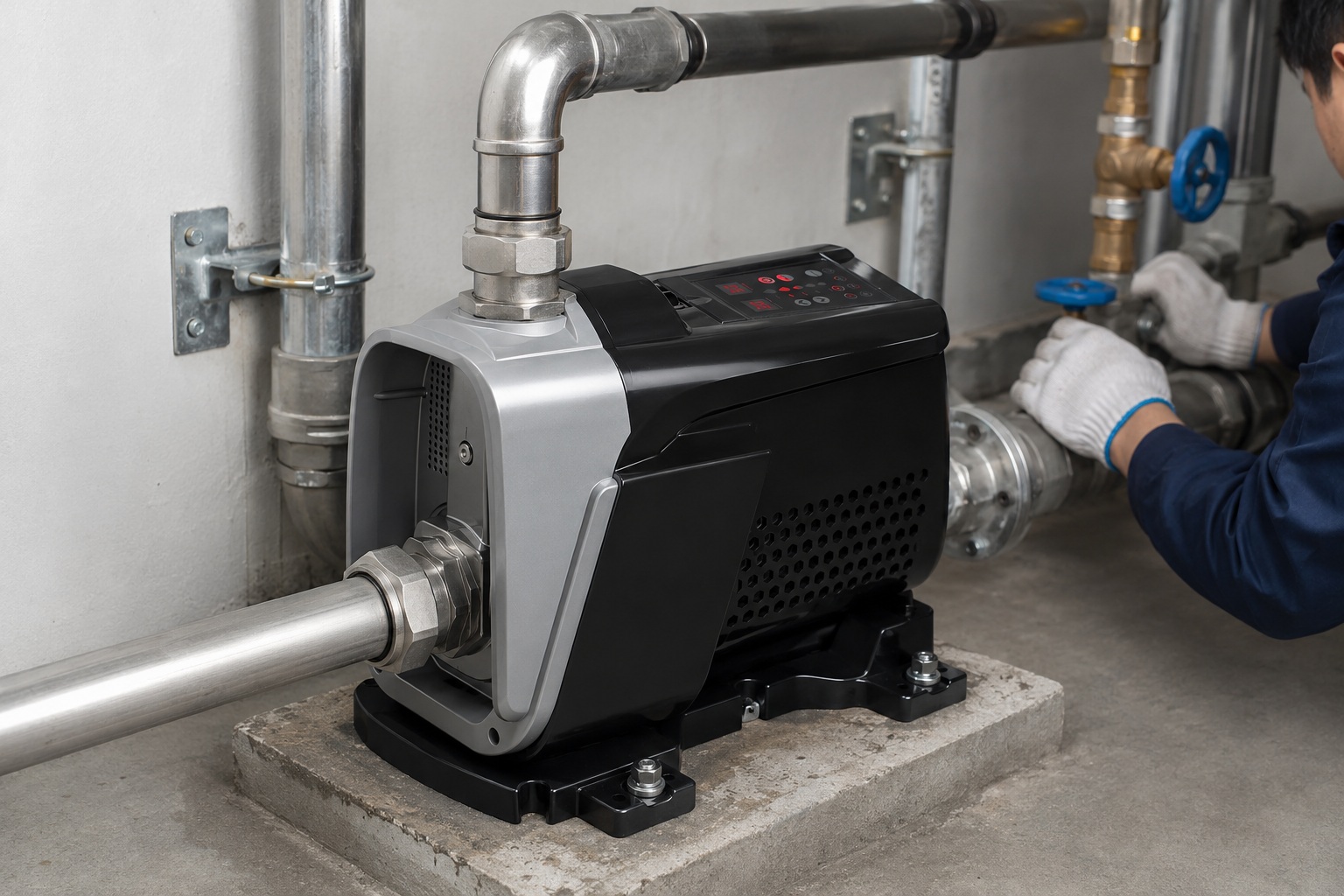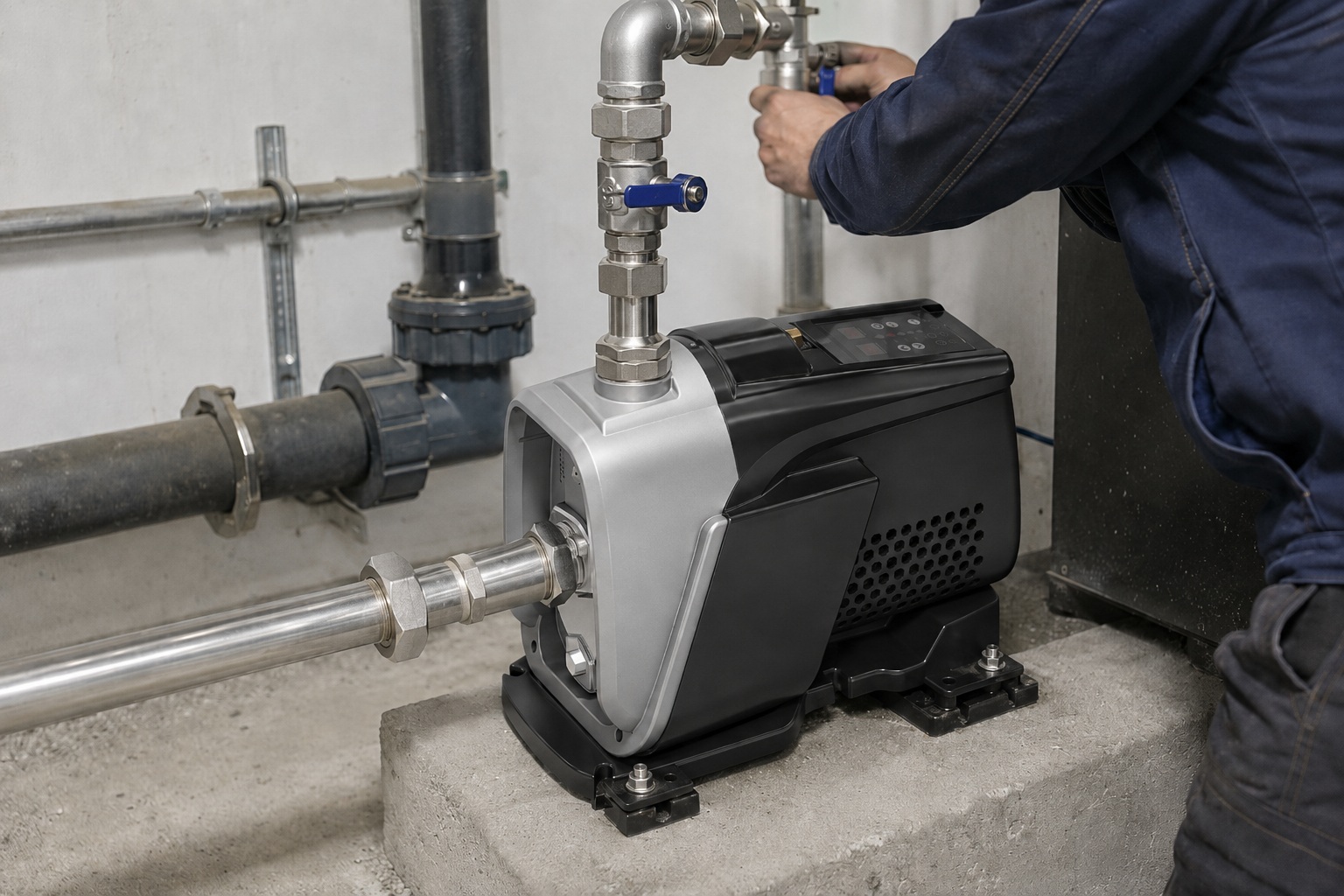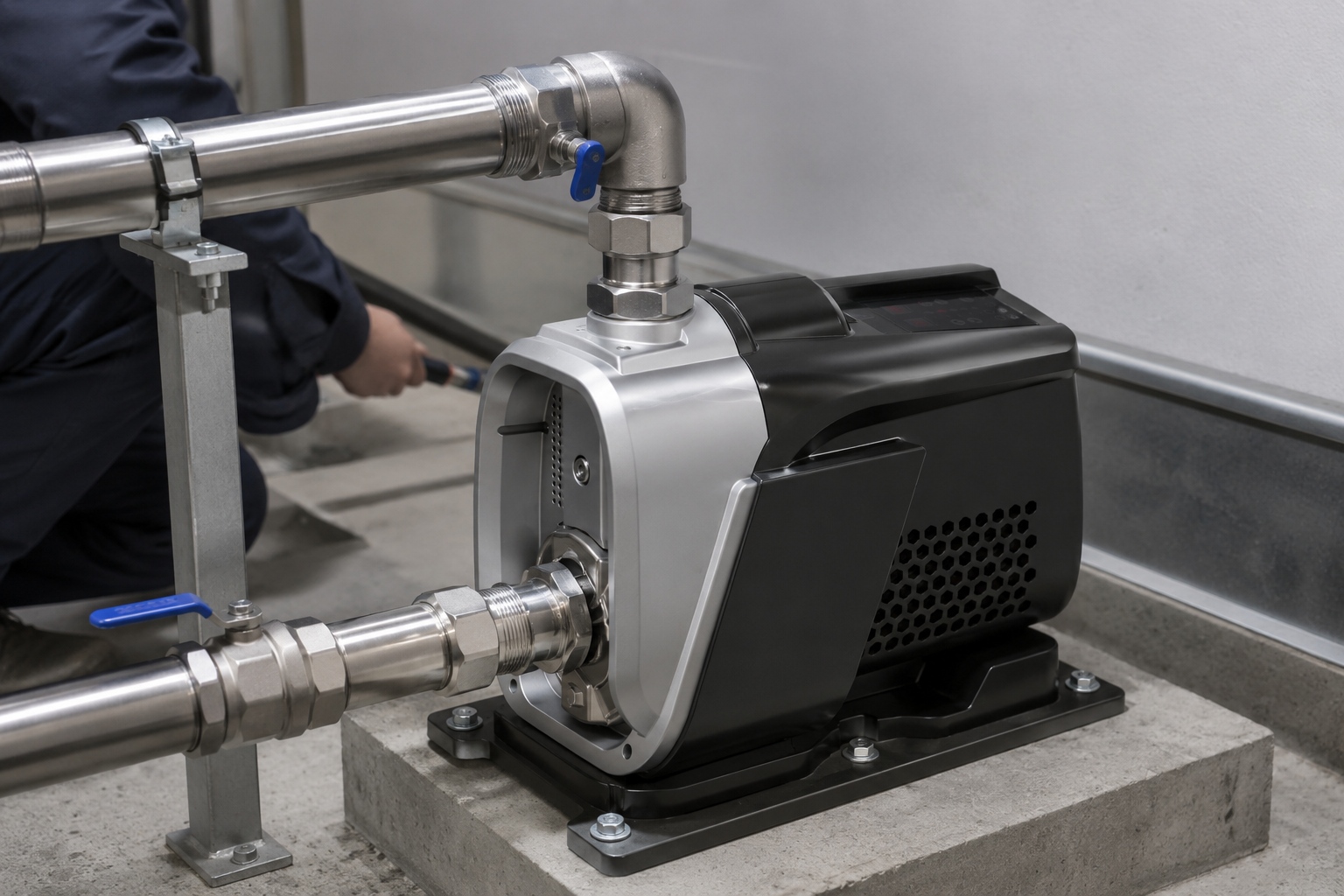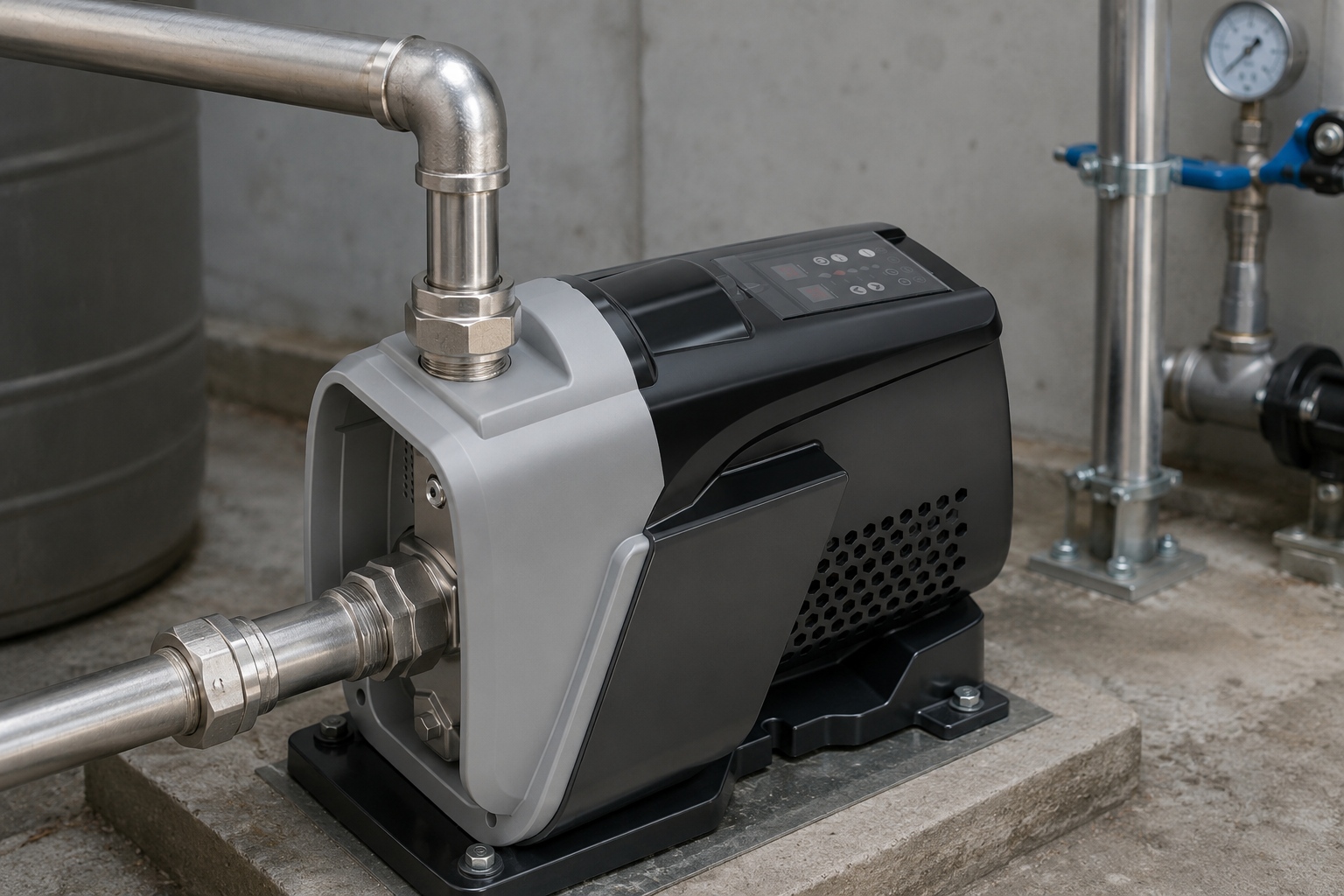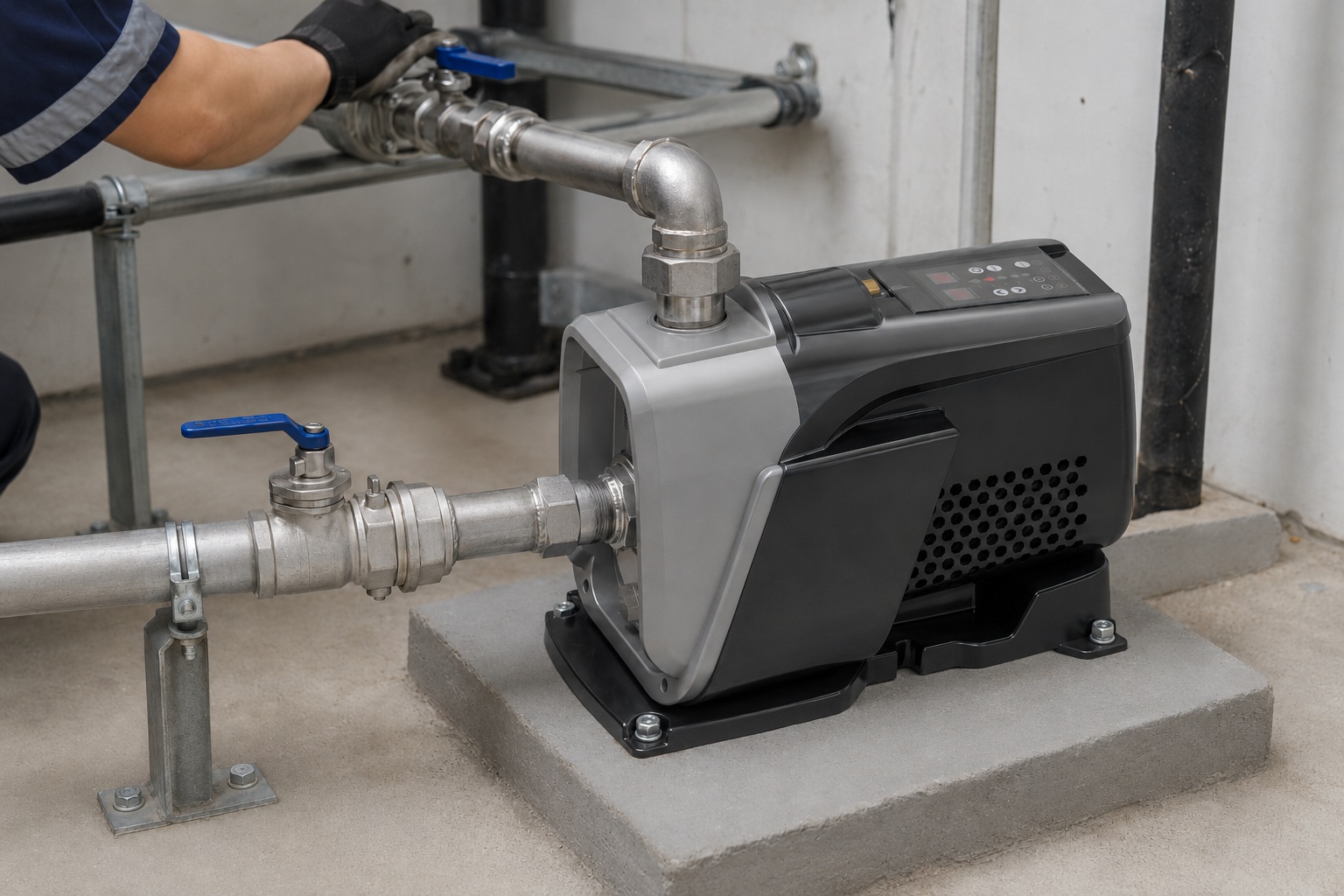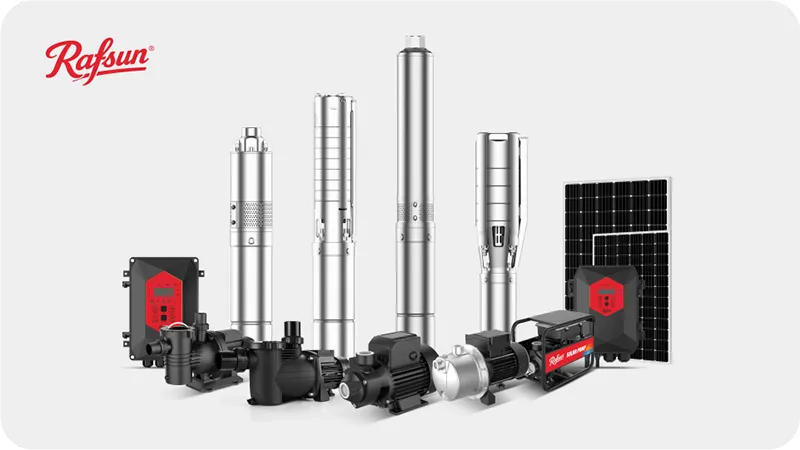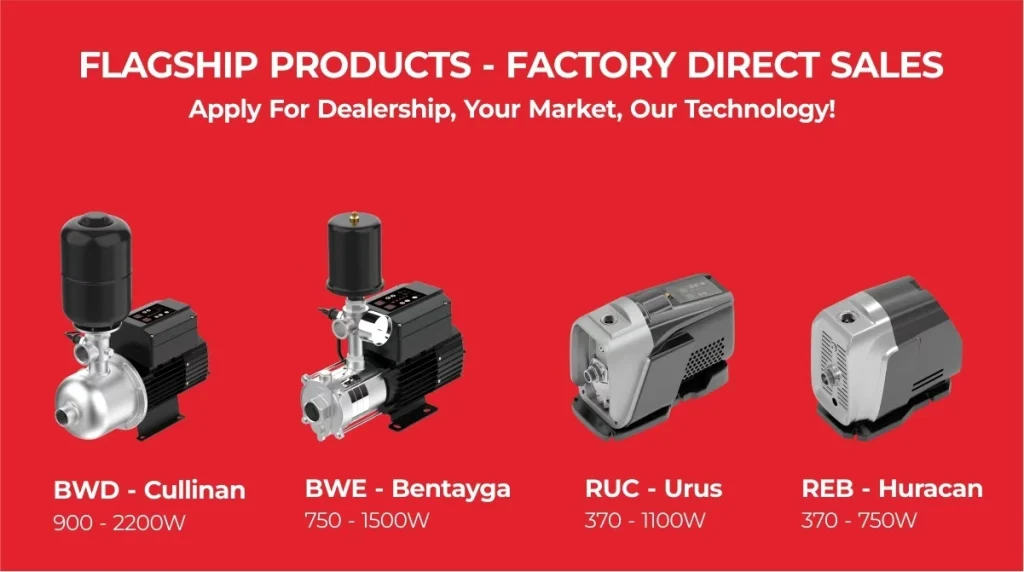
Struggling to choose the right pump for your application?
The wrong choice can lead to inefficiency and failure.
Learn the four main types to make an informed decision.
There are two primary categories of pumps: dynamic (like centrifugal) and positive displacement (like rotary and reciprocating).
These are further broken down into four common types: centrifugal pumps, submersible pumps, rotary pumps, and reciprocating pumps, each designed for specific fluid-handling tasks.
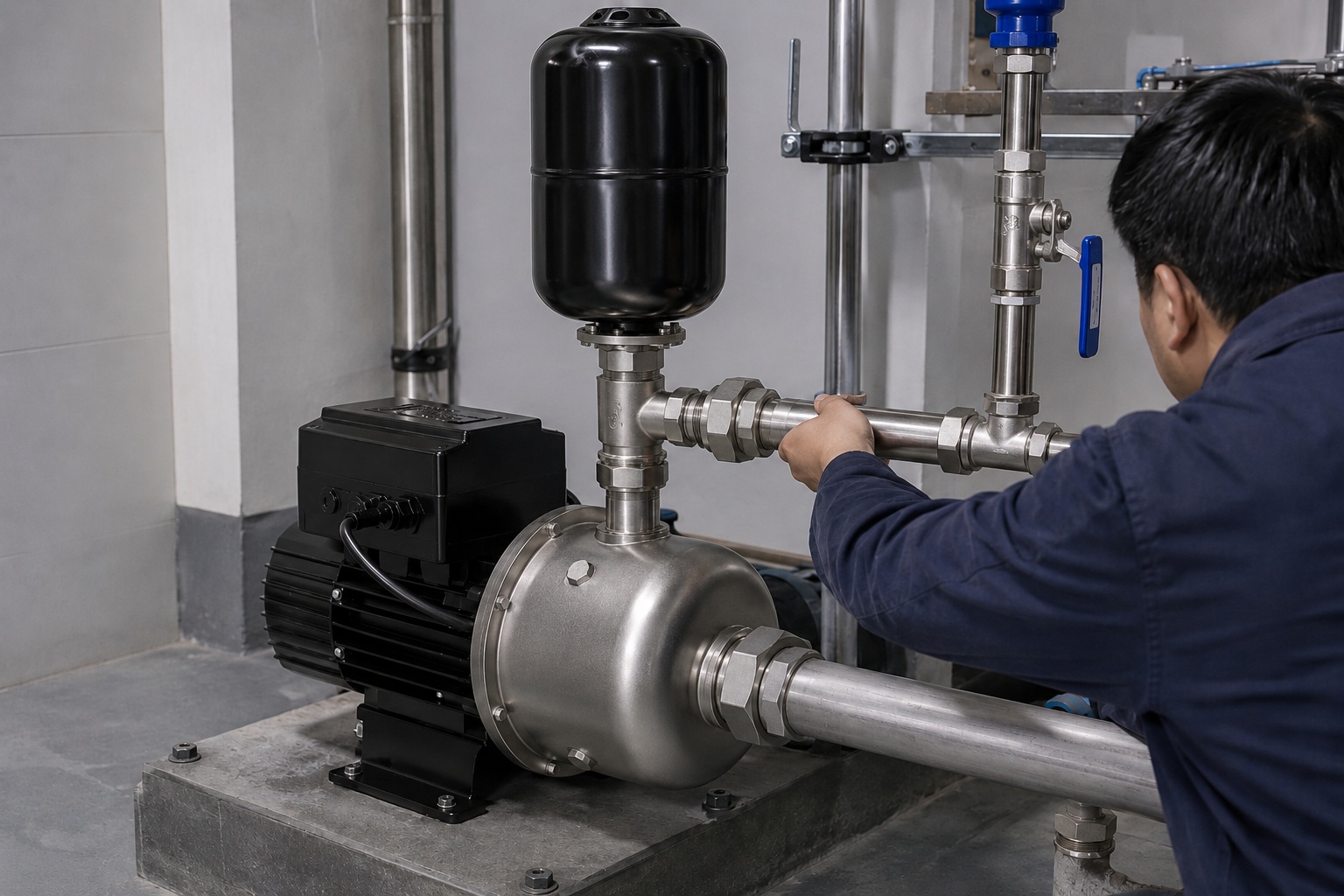
Choosing the correct pump is critical for any fluid transfer system.
It impacts everything from operational efficiency to maintenance costs and system longevity.
Understanding the fundamental differences between pump types ensures you select a device that not only moves fluid but does so in the most effective and economical way possible.
Let’s explore these four essential pump types to help you match the right technology to your specific requirements.
Understanding Dynamic Pumps: The Centrifugal Pump
A high-flow application is slowed by an inadequate pump.
This bottleneck reduces productivity and increases energy costs.
A centrifugal pump could be the high-efficiency solution you need.
A centrifugal pump is a dynamic pump that uses a rotating impeller to increase fluid velocity.
It converts kinetic energy into pressure, making it ideal for moving large volumes of low-viscosity liquids at moderate pressures, representing over 75% of pumps used in industrial applications worldwide.
Centrifugal pumps are the most common type of pump used in the world for a reason.
Their design is relatively simple, which contributes to their reliability and cost-effectiveness.
The core of the pump is the impeller, a rotor with a series of curved vanes.
As the impeller spins, it creates a low-pressure area at its center, the "eye," drawing fluid into the pump.
Centrifugal force then throws the fluid outwards towards the edge of the impeller at high velocity.
This high-velocity fluid enters the pump casing, known as the volute.
The volute is a specially designed chamber that progressively widens.
This expansion slows the fluid down, converting its kinetic energy into high-pressure potential energy, which forces the fluid out of the pump’s discharge port.
Key Operating Principles
The performance of a centrifugal pump is dictated by several factors.
The impeller’s diameter and rotational speed directly influence the flow rate and the pressure (or "head") it can generate.
A larger impeller or a faster rotation speed generally results in higher flow and head.
However, there is a critical relationship between flow, head, and efficiency, which is unique to each pump and is illustrated by its performance curve.
Operating the pump at its Best Efficiency Point (BEP) is crucial for minimizing energy consumption and maximizing the pump’s lifespan.
Running a pump too far from its BEP can lead to issues like cavitation, vibration, and premature wear on bearings and seals.
Common Applications and Variations
Centrifugal pumps are exceptionally versatile.
Their applications span nearly every industry.
- Water Supply: Used in municipal water systems, boosting pressure in buildings, and for irrigation in agriculture.
- HVAC: Circulating hot and cold water in heating, ventilation, and air-conditioning systems.
- Chemical Processing: Transferring low-viscosity chemicals, provided the pump materials are compatible.
- Oil and Gas: Moving large volumes of crude oil or refined products over long distances.
Various designs exist to meet specific needs.
| Pump Variation | Description | Primary Use Case |
|---|---|---|
| End-Suction | The most common configuration, with the suction nozzle on the opposite side of the casing from the drive shaft. | General-purpose fluid transfer. |
| In-line | The suction and discharge nozzles are on the same centerline, allowing the pump to be installed directly into a pipeline. | HVAC and water circulation systems. |
| Multistage | Contains multiple impellers in a single casing to generate progressively higher pressures. | High-pressure applications like boiler feedwater. |
| Self-Priming | Designed to lift fluid from a level below the pump suction without manual priming. | Applications where the pump is above the liquid source. |
Material and Design Considerations for Longevity
The choice of materials is critical for pump durability, especially when handling corrosive or abrasive fluids.
Standard pumps often use cast iron for the casing and bronze or stainless steel for the impeller.
For more demanding applications, high-spec materials are necessary.
For instance, pumps handling seawater may require duplex stainless steel or nickel-aluminum bronze to resist corrosion, which can withstand salt spray tests for over 1000 hours.
Modern advancements like intelligent permanent magnet variable frequency drives (VSDs) can significantly improve the efficiency of centrifugal pumps by adjusting the motor speed to precisely match system demand, potentially reducing energy consumption by 30-50%.
A Deeper Dive: The Submersible Pump
Need to move water from a deep well or a flooded area?
Surface pumps struggle with high suction lifts and can lose prime.
A submersible pump operates underwater, solving these issues effortlessly.
A submersible pump is a type of centrifugal pump with a hermetically sealed motor attached directly to the pump body.
The entire assembly is submerged in the fluid it needs to pump, which allows it to use the pressure of the surrounding fluid to assist in its operation.
The submersible pump’s unique design offers significant advantages over other pump types, particularly in applications involving deep fluid sources.
By being submerged, the pump never needs priming, as it is already inundated with fluid.
More importantly, it pushes fluid to the surface rather than pulling it.
This pushing action is far more efficient for deep applications because it avoids the physical limitations of suction lift that affect surface pumps, which is typically limited to around 7.6 meters (25 feet) at sea level.
The sealed motor is cooled by the surrounding fluid, which allows it to operate continuously without overheating, a common problem for surface-mounted motors.
This design makes submersibles highly reliable and efficient for their intended tasks.
Construction and Core Components
A submersible pump is a tightly integrated unit.
The main parts work together seamlessly to deliver reliable performance.
- Pump End: This is the hydraulic section containing one or more impellers and diffusers, similar to a multistage centrifugal pump. For deep well applications, many stages are stacked to generate the high pressure needed to lift water hundreds of feet.
- Motor: The electric motor is housed in a sealed compartment, typically filled with oil or air, to prevent fluid ingress. The motor shaft connects directly to the pump’s impellers. Robust sealing systems, often involving multiple mechanical seals, are critical for protecting the motor from leaks.
- Intake Screen: Located between the pump and motor or at the bottom of the unit, this screen prevents large debris like rocks and sediment from entering and damaging the impellers.
- Power Cable: A specially designed waterproof cable delivers electricity from a power source on the surface down to the submerged motor. The integrity of this cable and its connections is paramount for safety and function.
Categorizing Submersible Pumps
Submersible pumps are not a one-size-fits-all solution.
They are engineered for specific environments and fluid types.
| Submersible Type | Key Features | Common Applications |
|---|---|---|
| Well Pumps | Long, thin profile to fit inside well casings. Multistage design for high head. | Residential, municipal, and agricultural deep well water extraction. |
| Sump Pumps | Typically single-stage, designed for lower head and higher flow. Can be pedestal or submersible. | Basement and crawlspace dewatering, flood prevention. |
| Effluent Pumps | Can handle small soft solids (up to ¾ inch). More durable than sump pumps. | Pumping greywater from septic tanks or laundry systems. |
| Grinder Pumps | Equipped with a cutting mechanism to shred wastewater solids into a fine slurry. | Residential and light commercial sewage systems, especially those with pressure sewer lines. |
Technological Innovations and Efficiency
The submersible pump market has seen significant innovation.
Permanent magnet motors are increasingly used in modern designs, offering higher efficiency and a more compact size compared to traditional induction motors.
When paired with a Variable Frequency Drive (VFD), these pumps can adjust their speed to match real-time demand.
This is especially valuable in agricultural irrigation and municipal water supply, where demand fluctuates.
For example, a solar-powered submersible pump system can adjust its pumping rate based on the available solar energy, maximizing water extraction throughout the day.
Advanced materials like 316 stainless steel for casings and silicon carbide for mechanical seals significantly extend the pump’s life, even in corrosive or abrasive environments.
Quality control is rigorous, with products often undergoing 100% pressure and electrical safety testing before leaving the factory.
Understanding Positive Displacement Pumps: The Rotary Pump
Your process requires a consistent flow, even as pressure changes.
Centrifugal pumps can’t deliver this, as their flow rate varies with pressure.
A rotary pump provides a steady, pulseless flow.
A rotary pump is a type of positive displacement pump that moves fluid using a rotating mechanism.
It traps a fixed amount of fluid and forces it through the discharge port, delivering a smooth, constant flow rate regardless of the system pressure.
Rotary pumps excel where consistency is key.
Unlike centrifugal pumps, their output is directly proportional to their rotational speed and is not significantly affected by changes in pressure.
This makes them the ideal choice for applications involving viscous fluids, precise dosing, and systems that experience variable backpressure.
The operating principle involves a rotating element—such as gears, lobes, or screws—that meshes within a stationary casing.
As the element rotates, it creates expanding cavities on the suction side, drawing fluid in.
The fluid is then trapped between the rotating element and the casing and is carried around to the discharge side.
On the discharge side, the cavities contract, forcing the fluid out of the pump.
Because these pumps operate with very tight clearances, they are self-priming and can handle fluids containing entrained air or gas.
Principal Rotary Pump Designs
The term "rotary pump" covers a family of designs, each with unique characteristics suited for different tasks.
Understanding these variations is crucial for selecting the right pump.
- Gear Pumps: These are the most common type. They use two or more meshing gears to transfer fluid. External gear pumps have gears that mesh externally, while internal gear pumps have one gear rotating inside another. They are robust and suitable for high-pressure applications with viscous fluids like oils and polymers.
- Lobe Pumps: Similar to gear pumps, but the lobes do not make contact. This gentle handling makes them perfect for shear-sensitive products and solids-laden fluids found in the food, beverage, and pharmaceutical industries.
- Screw Pumps: These use one or more intermeshing screws to move fluid axially along the pump. They provide a very smooth, pulsation-free flow and are excellent for high-viscosity fluids and multi-phase applications (containing liquid and gas).
- Vane Pumps: A rotor with movable vanes is mounted eccentrically within a casing. As the rotor turns, the vanes slide in and out, trapping fluid and transporting it from the inlet to the outlet. They excel at handling low-viscosity fluids like fuel and solvents.
Performance Factors and Selection Criteria
Choosing the correct rotary pump requires analyzing the fluid properties and system requirements.
| Factor | Consideration | Impact on Pump Selection |
|---|---|---|
| Viscosity | The thickness of the fluid. | Higher viscosity fluids (e.g., molasses, resins) require pumps with larger clearances and more power, such as screw or external gear pumps. |
| Abrasiveness | Presence of hard particles. | Abrasive fluids demand hardened materials for the pump’s wetted parts and slower operating speeds to minimize wear. Lobe pumps can sometimes handle this better due to a lack of contact. |
| Chemical Compatibility | The corrosive nature of the fluid. | The pump’s materials (casing, rotors, seals) must be resistant to chemical attack. Stainless steel, Hastelloy, and engineered plastics are common choices. |
| Required Flow Rate | The volume of fluid to be moved per unit of time. | The size and speed of the pump are selected to achieve the desired flow rate. Positive displacement pumps offer precise, controllable flow. |
| Pressure | The system’s discharge pressure. | Gear and screw pumps are generally capable of producing higher pressures than lobe or vane pumps. The pump must be rated for the maximum expected system pressure. |
Advanced Features and Applications
Modern rotary pumps are highly engineered devices.
Close-coupled designs offer a compact footprint, while sealless magnetic drives eliminate a common point of failure and prevent leaks, which is critical when handling hazardous or expensive fluids.
Approximately 90% of positive displacement pump failures are related to seals, so magnetic drives offer a significant reliability improvement.
In metering and dosing applications, rotary pumps are often paired with variable speed drives to achieve exceptionally precise flow control, with accuracies better than ±1%.
This level of precision is essential in industries like chemical manufacturing, water treatment, and food processing, where exact ingredient ratios are critical for product quality.
Understanding Positive Displacement Pumps: The Reciprocating Pump
You need to generate very high pressure for a low-flow application.
Centrifugal and rotary pumps often fall short in these high-pressure scenarios.
A reciprocating pump is built for this exact challenge.
A reciprocating pump is a positive displacement pump that moves fluid using the back-and-forth motion of a piston, plunger, or diaphragm.
This action creates a highly pressurized discharge, making it ideal for low-flow, high-pressure tasks like high-pressure cleaning or hydraulic systems.
Reciprocating pumps operate on a principle that is easy to visualize.
Imagine a simple syringe.
As you pull the plunger back (the suction stroke), a low-pressure area is created in the barrel, and check valves allow fluid to enter from the inlet.
When you push the plunger forward (the discharge stroke), the inlet valve closes, and the fluid is forced out through the discharge valve at high pressure.
This process is repeated, creating a pulsating flow.
While the flow is not as smooth as that from a rotary pump, reciprocating pumps can generate pressures far exceeding those of other pump types, often reaching over 1,000 bar (14,500 psi).
The efficiency of these pumps is also very high, frequently exceeding 90%, because the amount of fluid displaced is almost constant regardless of the pressure.
Common Types of Reciprocating Pumps
The specific design of a reciprocating pump determines its capabilities and best-fit applications.
- Piston Pumps: Use a piston moving within a cylinder to displace fluid. They can be single-acting (discharging fluid on one side of the piston) or double-acting (discharging on both the forward and backward strokes) for a smoother flow.
- Plunger Pumps: Similar to piston pumps, but they use a solid plunger that moves through a stationary seal. Plungers are better suited for higher pressures and are commonly used in triplex or quintuplex arrangements (three or five plungers) to significantly reduce pulsation. These pumps are workhorses in high-pressure cleaning and oil and gas extraction.
- Diaphragm Pumps: Use a flexible membrane (diaphragm) to displace fluid. The moving parts are isolated from the fluid, making these pumps excellent for handling corrosive, abrasive, or sterile fluids. Air-operated double diaphragm (AODD) pumps are particularly versatile and widely used for fluid transfer in many industries.
Key Characteristics and Operational Considerations
Reciprocating pumps have a distinct set of operational traits.
| Characteristic | Description | Implication for Use |
|---|---|---|
| Pulsating Flow | The cyclic nature of the pump creates pressure and flow variations. | In many systems, a pulsation dampener is installed on the discharge line to smooth out the flow and protect downstream equipment from pressure spikes. |
| High Pressure | Capable of generating extremely high pressures. | A pressure relief valve is a mandatory safety device in any reciprocating pump system to prevent over-pressurization and potential system failure. |
| Efficiency | High mechanical and volumetric efficiency across a wide pressure range. | They are very energy-efficient for high-head applications, making them cost-effective to run despite a higher initial investment. |
| Maintenance | More complex with more wearing parts (seals, valves, pistons). | They generally require more maintenance than centrifugal pumps. Regular inspection of seals and valves is critical for reliable operation. |
Application in Modern Industry
Despite their age-old design principles, reciprocating pumps are indispensable in many advanced fields.
In reverse osmosis desalination, high-pressure plunger pumps are required to overcome the osmotic pressure of seawater, a task where pressures can exceed 70 bar.
In the food industry, sanitary diaphragm pumps are used to move delicate products like sauces and yogurts without damaging their consistency.
In manufacturing, these pumps power hydraulic presses and high-pressure waterjet cutting machines.
The selection process involves a careful trade-off.
While a centrifugal pump may have a lower purchase price, a reciprocating pump’s high efficiency at high pressure can result in a lower total cost of ownership over the equipment’s lifecycle, especially as energy costs rise.
For an importer or distributor, offering a range of robust reciprocating pumps can open doors to specialized, high-margin markets that general-purpose pumps cannot serve.
Conclusion
Understanding the four main pump types—centrifugal, submersible, rotary, and reciprocating—is key.
Each is engineered for specific tasks, and selecting the right one ensures efficiency, reliability, and cost-effectiveness for your system.
FAQs
What is the most common type of pump?
Centrifugal pumps are the most common, accounting for over 75% of installed pumps worldwide due to their simplicity, cost-effectiveness, and suitability for a wide range of applications.
What is the difference between a dynamic and a positive displacement pump?
A dynamic pump (like a centrifugal pump) uses a rotating impeller to add energy and increase velocity. A positive displacement pump traps a fixed volume of fluid and forces it out.
Can I use a centrifugal pump for thick liquids?
Generally, no. Centrifugal pumps are inefficient with high-viscosity fluids. A positive displacement pump, like a gear or screw pump, is a much better choice for thick liquids.
Why do some pumps need priming?
Pumps that are not self-priming, like most standard centrifugal pumps, cannot evacuate air from the suction line. They need to be filled with liquid before starting to create the necessary suction.
What pump is best for high-pressure, low-flow applications?
A reciprocating pump, such as a plunger or piston pump, is the ideal choice. They are specifically designed to generate very high pressures efficiently at lower flow rates.
Are submersible pumps more efficient?
For deep well applications, yes. Submersible pumps push water to the surface rather than pulling it, which is more energy-efficient and avoids the suction lift limitations of surface pumps.
What is a VSD pump?
A VSD (Variable Speed Drive) or VFD (Variable Frequency Drive) pump has a motor whose speed can be adjusted. This allows the pump’s output to match system demand precisely, saving significant energy.
How do I choose the right material for a pump?
The right material depends on the fluid’s corrosiveness, abrasiveness, and temperature. Common choices range from cast iron for water to stainless steel or specialized alloys for aggressive chemicals.