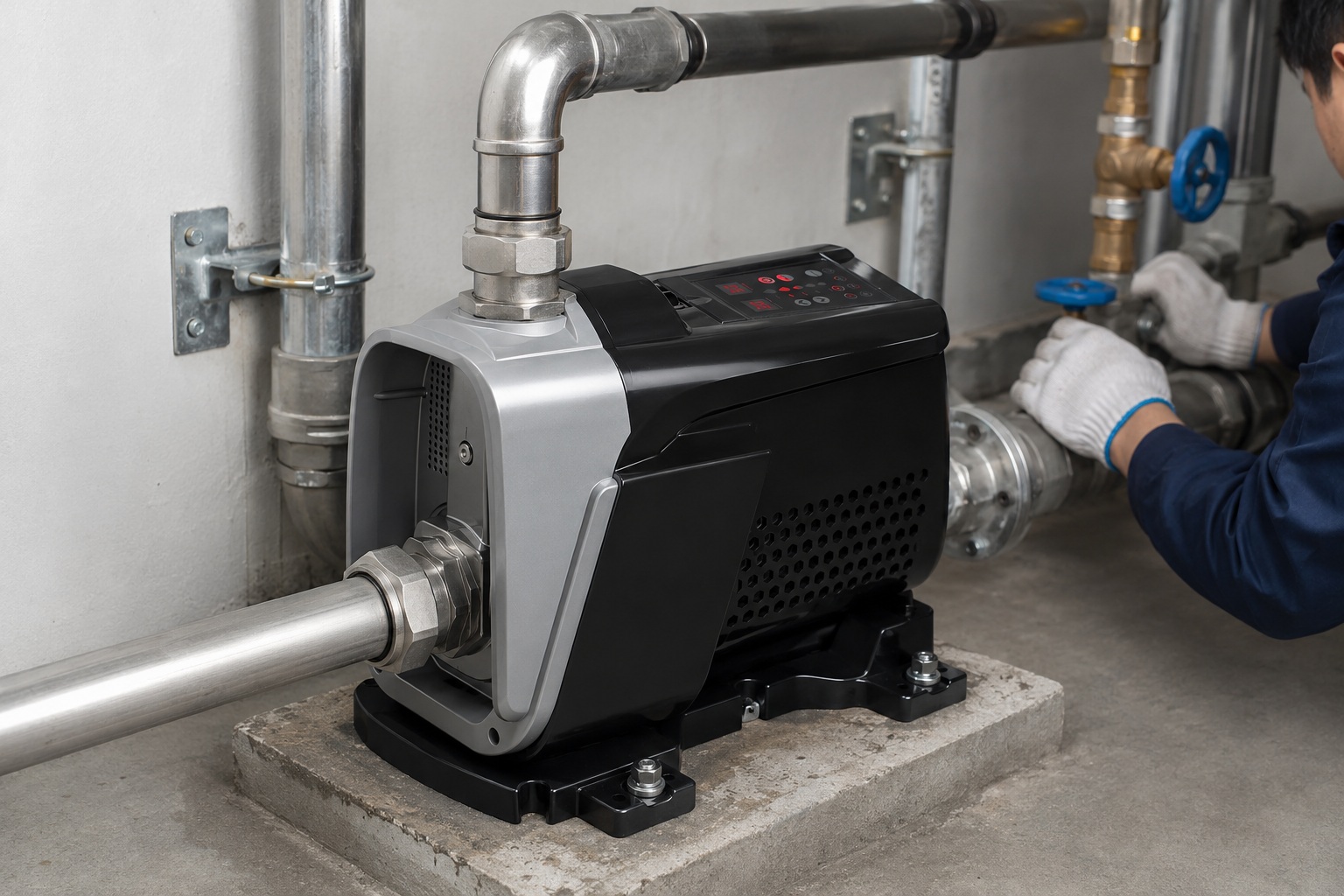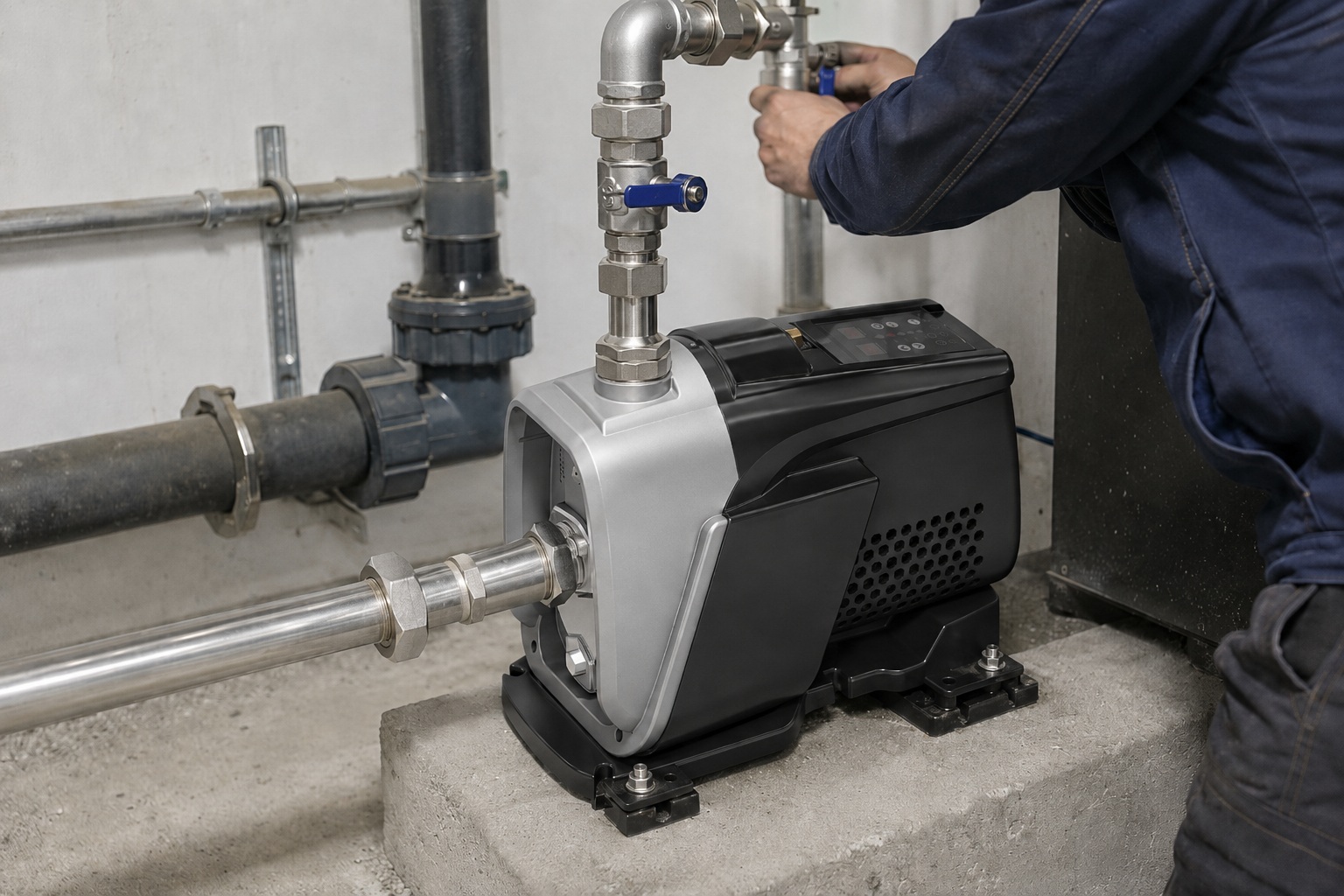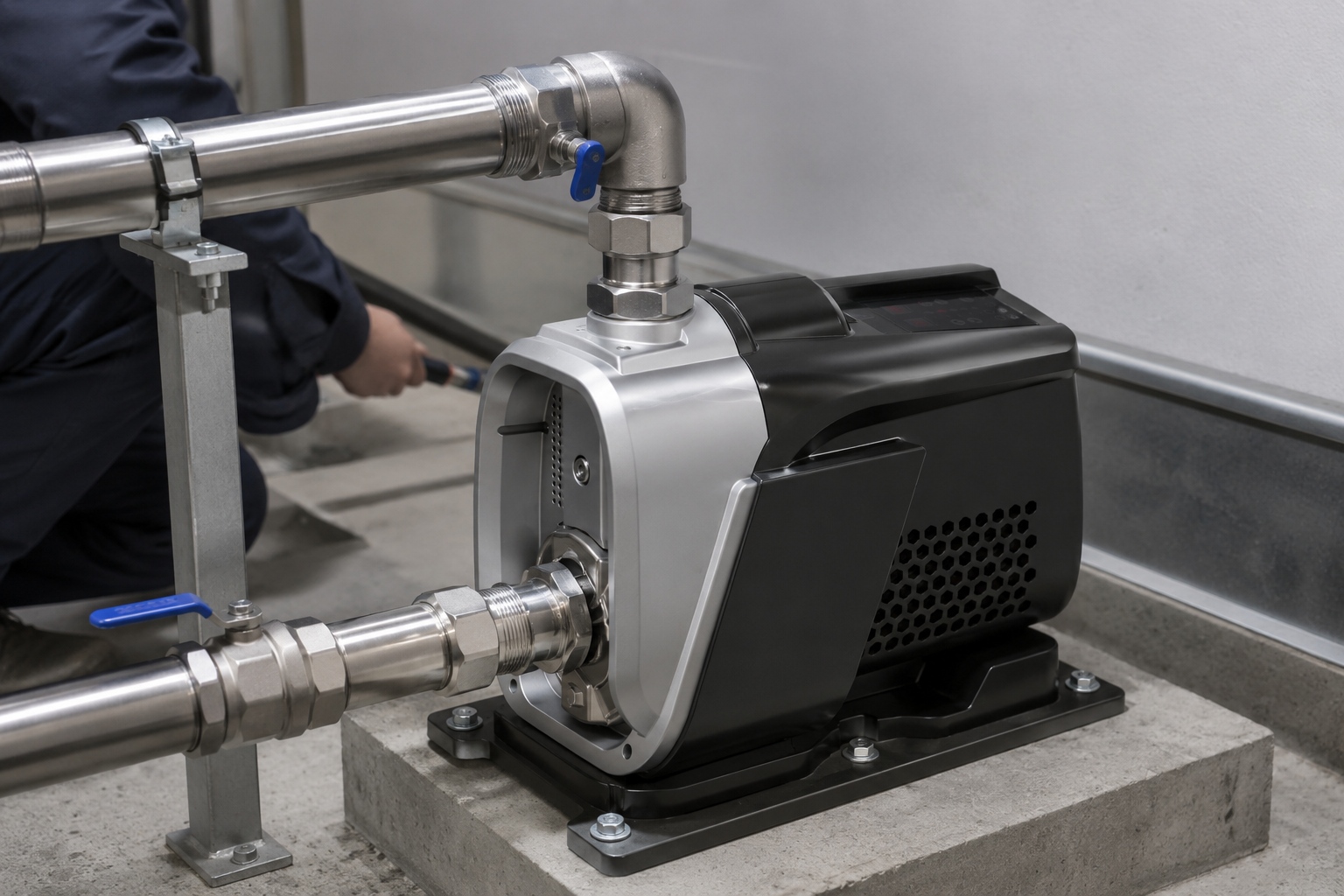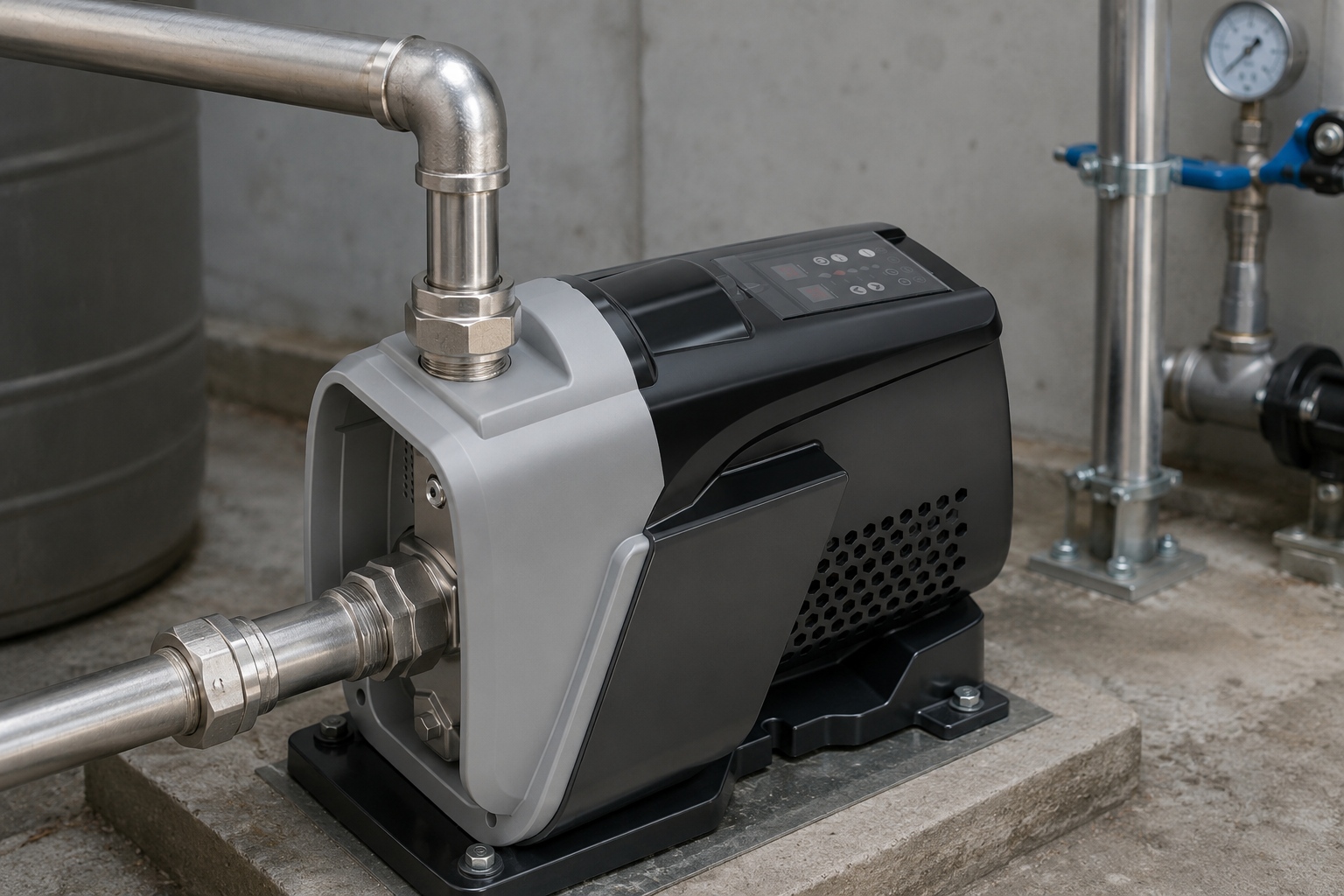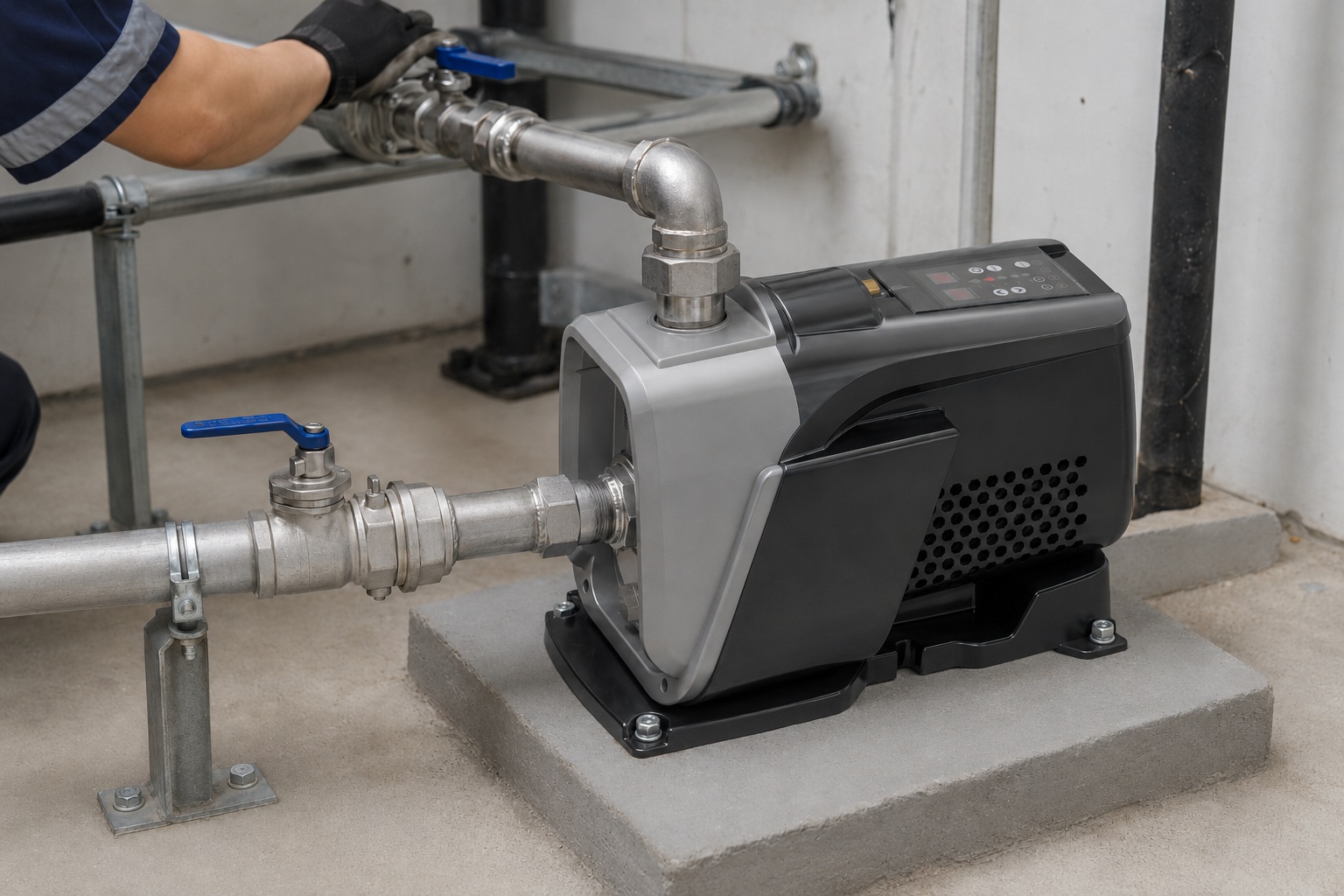
Struggling with low water pressure in demanding applications?
This inefficiency drives up energy costs and can lead to operational failures.
A multistage pump provides the high-pressure, efficient solution you need.
A multistage pump uses multiple impellers to progressively boost fluid pressure, making it ideal for high-pressure applications. Its main benefits include superior pressure generation, enhanced energy efficiency compared to single-stage pumps for the same duty, increased reliability, and a wider operational range for various industrial uses.
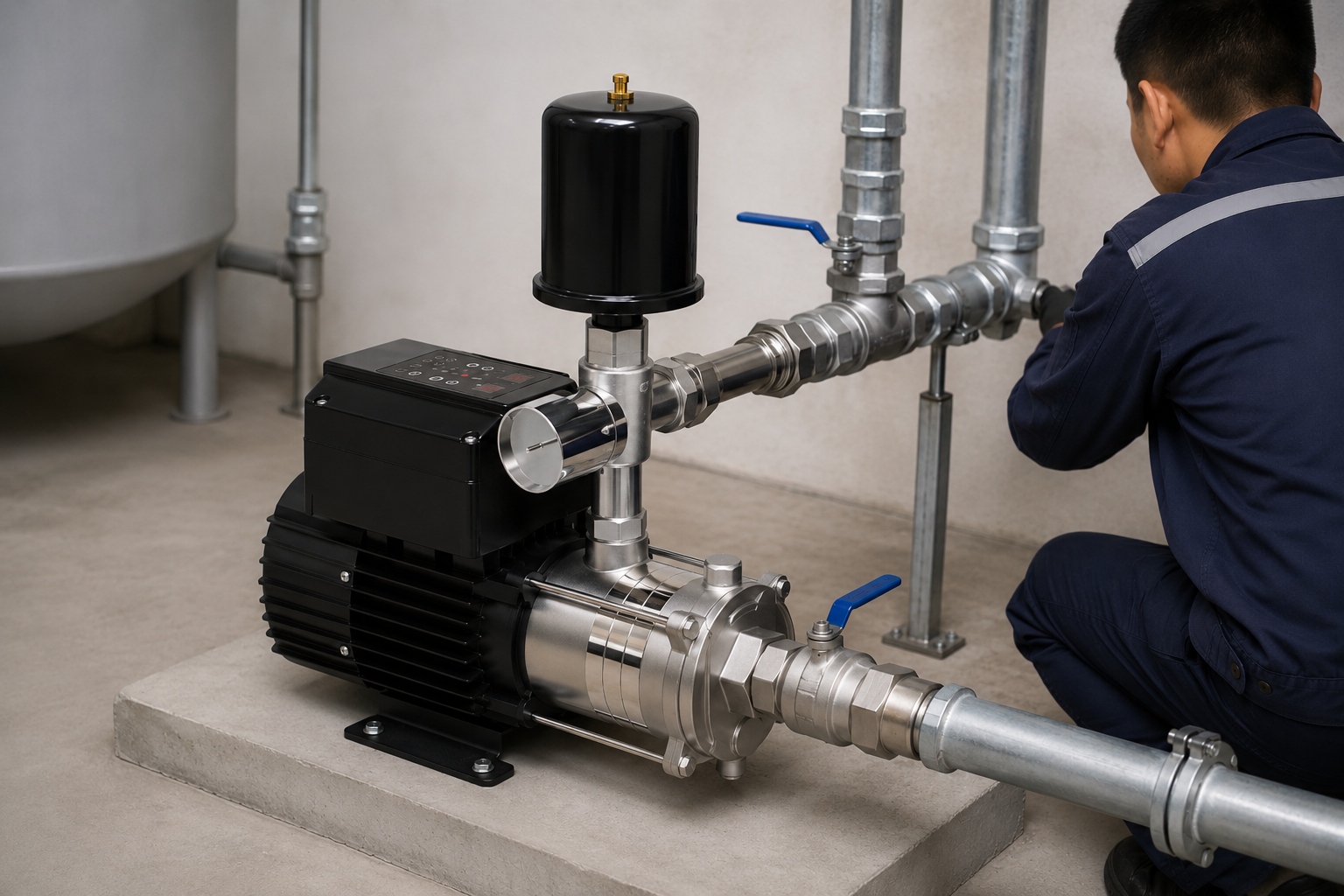
Understanding the core advantages of a multistage pump is crucial for any business needing reliable fluid transfer.
These pumps are not a one-size-fits-all solution, but for the right application, their benefits are unmatched.
Let’s explore the specific advantages that make these pumps a preferred choice for industries worldwide.
We will break down how they achieve superior performance, where they are most effective, and why they might be the perfect investment for your operational needs.
Enhanced Pressure Capabilities
Need to move water to great heights or against significant resistance?
A standard pump may not deliver the required force, causing system bottlenecks.
Multistage pumps are specifically designed to generate exceptionally high pressure.
Multistage pumps achieve high pressure by passing fluid through a series of impellers, with each stage adding more pressure. This design allows them to generate pressures far exceeding those of single-stage pumps of a similar size, making them perfect for high-head applications like boiler feeds and reverse osmosis.
The ability to generate high pressure is the most defining characteristic of a multistage pump.
This capability stems directly from its unique design, which involves multiple stages of pressurization within a single pump housing.
Instead of relying on a single, large impeller, the work is divided among several smaller, more efficient impellers arranged in series.
Let’s delve deeper into how this process works and why it’s so effective.
How Pressure is Built in Stages
Each stage in a multistage pump consists of an impeller and a diffuser.
The fluid enters the first stage at suction pressure.
The first impeller spins, imparting velocity to the fluid.
The fluid then exits the impeller and enters the diffuser.
Here, the high-velocity fluid is slowed down, and its kinetic energy is converted into pressure energy.
This pressurized fluid is then expertly guided to the inlet of the next impeller, and the process repeats.
This additive process continues through all stages, with the final discharge pressure being the sum of the pressures generated by each individual stage.
For instance, a 10-stage pump where each stage adds 2 bar (29 PSI) of pressure can produce a final discharge pressure of 20 bar (290 PSI), starting from zero.
This incremental pressure boost allows for precise engineering to meet specific high-pressure requirements without the massive energy draw or physical footprint of a comparable single-stage pump.
Comparing Pressure with Single-Stage Pumps
The difference in pressure generation is stark when comparing multistage and single-stage pumps.
A single-stage pump relies on a single, large-diameter impeller to generate all the pressure.
To achieve very high pressures, this impeller would need to be impractically large and spin at extremely high speeds.
This would lead to significant hydraulic stress, lower efficiency, and a much shorter operational lifespan.
Multistage pumps overcome this by distributing the work.
This fundamental design difference is why they dominate high-pressure applications.
| Feature | Single-Stage Pump | Multistage Pump |
|---|---|---|
| Pressure Generation | Limited; relies on one impeller | High; pressure builds across stages |
| Typical Head | Low to Medium (Up to 150 meters) | Medium to Very High (Up to 1000+ meters) |
| Impeller Size | Larger for higher pressure | Smaller, multiple impellers |
| Ideal Application | High flow, low pressure | High pressure, moderate flow |
| Efficiency at High P | Lower | Higher |
Applications Requiring High Pressure
The unique pressure capabilities of multistage pumps make them essential in numerous sectors.
In industrial boiler feed systems, they provide the high pressure needed to force feedwater into a pressurized boiler drum.
Commercial reverse osmosis (RO) systems rely on them to create pressures over 40-70 bar to overcome osmotic pressure and produce purified water.
They are also critical for high-rise building water supply, ensuring consistent and strong water pressure on the top floors, often overcoming hundreds of feet of vertical elevation.
Other key uses include high-pressure cleaning systems, mine dewatering, and snowmaking equipment, all of which depend on the pump’s ability to deliver fluid with significant force.
Superior Energy Efficiency
Are your high-pressure pump systems consuming too much electricity?
This inflates operational costs and negatively impacts your company’s sustainability goals.
Multistage pumps offer remarkable energy efficiency, especially when operating at their best efficiency point.
By utilizing multiple smaller impellers, multistage pumps can operate closer to their Best Efficiency Point (BEP) across a wider range of conditions. This design minimizes hydraulic losses and reduces energy consumption by up to 30% compared to a single-stage pump in high-head, low-flow applications.
Energy efficiency is no longer a luxury; it is a critical business requirement.
For operations that run pumps continuously, energy can account for over 90% of the total lifecycle cost of a pump.
The design of a multistage pump is inherently geared towards maximizing efficiency in the high-pressure scenarios where they excel.
This efficiency doesn’t just save money; it also reduces the carbon footprint of an operation.
Let’s examine the specific factors that contribute to this superior energy performance.
Operating at the Best Efficiency Point (BEP)
Every pump has a Best Efficiency Point (BEP).
This is the point on its performance curve where it converts the most energy from the motor into fluid power.
Operating a pump away from its BEP results in wasted energy, increased vibration, and accelerated wear.
Single-stage pumps designed for high pressure often have a very narrow BEP range.
Multistage pumps, however, achieve their performance by using several smaller impellers.
Each of these impellers is designed to operate at or near its own individual BEP.
This allows the pump as a whole to maintain high efficiency across a broader spectrum of flow and pressure conditions.
The ability to precisely match the number of stages to a specific duty point means the pump can be engineered to run at its peak efficiency for the intended application, minimizing wasted power.
Reduction in Power Consumption
The practical result of operating at BEP is a significant reduction in power consumption.
Consider an application requiring 50 m³/h at a head of 200 meters.
A single-stage pump forced to meet this duty point might operate at only 55-60% efficiency.
A properly selected multistage pump could achieve the same duty point while operating at 75-80% efficiency.
This difference of 20 percentage points translates directly into substantial energy savings.
Over the course of a year with continuous operation, the savings can easily exceed the initial cost difference between the pumps.
| Parameter | Single-Stage Pump (Example) | Multistage Pump (Example) |
|---|---|---|
| Duty Point | 50 m³/h @ 200m | 50 m³/h @ 200m |
| Operating Efficiency | 60% | 78% |
| Required Power | ~36.2 kW | ~27.8 kW |
| Annual Energy Use (8000 hrs) | 289,600 kWh | 222,400 kWh |
| Annual Savings | – | 67,200 kWh |
The Role of Variable Speed Drives (VSD)
The efficiency of multistage pumps can be further enhanced by pairing them with a Variable Speed Drive (VSD).
A VSD allows the pump’s motor speed to be adjusted in real-time to match the system’s demands.
In many applications, the required pressure or flow is not constant.
Without a VSD, a fixed-speed pump would continue to run at full power, with excess pressure being throttled by a valve, which is extremely inefficient.
With a VSD, the pump speed is reduced during periods of low demand.
According to pump affinity laws, reducing a pump’s speed by just 20% can reduce its power consumption by nearly 50%.
This combination of an inherently efficient multistage pump and intelligent VSD control can lead to energy savings of 50% or more compared to older, fixed-speed systems.
This makes the VSD-multistage pump pairing a powerful tool for modern, energy-conscious industrial and commercial facilities.
Increased Reliability and Durability
Are frequent pump failures causing costly downtime and maintenance headaches?
Unreliable equipment can halt production and erode profitability.
Multistage pumps are engineered for long service life and dependable operation in tough conditions.
The reliability of a multistage pump comes from its balanced design. The work is distributed across multiple stages, reducing stress on individual components. This results in less vibration, lower bearing loads, and a significantly longer Mean Time Between Failures (MTBF) compared to single-stage pumps under high-pressure stress.
In critical applications like boiler feeds or municipal water supply, pump failure is not an option.
Reliability is paramount.
The design philosophy behind the multistage pump inherently promotes durability and a long operational lifespan.
By dividing the task of pressure generation, the pump avoids the extreme forces and stresses that a single-stage pump would endure in the same application.
This robust construction translates into fewer breakdowns and lower lifecycle costs.
Let’s break down the specific design elements that make these pumps so reliable.
Balanced Axial Thrust
One of the biggest challenges in high-pressure pump design is managing axial thrust.
This is the force exerted on the rotor along the axis of the shaft, created by the differential pressures acting on the impeller.
In single-stage pumps, this force can be immense, putting extreme strain on the thrust bearings and leading to premature failure.
Multistage pumps employ several clever methods to manage and balance this axial thrust.
Many designs use a "back-to-back" impeller arrangement, where pairs of impellers are mounted in opposite directions.
The thrust from one impeller effectively cancels out the thrust from its opposing partner.
Other methods include balance drums or balance discs at the high-pressure end of the pump.
These devices use discharge pressure to create an opposing force that precisely counteracts the axial thrust generated by the impellers.
This balancing act dramatically reduces the load on the bearings, leading to a service life that can be 2-3 times longer than that of poorly balanced pumps.
Reduced Wear on Components
Dividing the work among multiple stages means that each individual component is subjected to less stress.
- Impellers: Each impeller only has to generate a fraction of the total pressure. This reduces the hydraulic forces acting on the vanes and shrouds, minimizing wear from erosion and fatigue.
- Diffusers/Volutes: The velocities within each stage are lower than what would be required in a single-stage pump for the same pressure. This reduces erosive wear on the casing components, especially when handling fluids with suspended solids.
- Bearings: As mentioned, balanced axial thrust drastically cuts the load on thrust bearings. Additionally, the lower vibration levels associated with the smooth, multi-stage operation reduce the radial load on all bearings, extending their lifespan.
- Shaft Seals: Stable operation with minimal vibration and shaft deflection ensures a better environment for the mechanical seals or packing. This leads to less leakage and longer seal life, a common point of failure in pumps.
Material Selection for Durability
Manufacturers of high-quality multistage pumps pay close attention to material selection.
The choice of materials is critical for ensuring durability, especially in demanding services.
| Component | Standard Material | Upgraded/Optional Material | Rationale for Upgrade |
|---|---|---|---|
| Casing | Cast Iron | Duplex Stainless Steel | For corrosive fluids like seawater |
| Impellers | Cast Iron / Bronze | Stainless Steel (304/316) | Improved resistance to erosion & corrosion |
| Shaft | Carbon Steel | Stainless Steel (420) | Higher strength and corrosion resistance |
| Wear Rings | Bronze | Hardened Stainless Steel | Extends life and maintains efficiency |
For example, while cast iron is suitable for clean water applications, a pump intended for reverse osmosis brine will have its wetted parts constructed from Duplex or Super Duplex stainless steel to resist chloride corrosion.
Similarly, boiler feed pumps often use chrome steel to withstand high temperatures and pressures.
This ability to tailor materials to the application ensures the pump can withstand the specific chemical and physical challenges of the service, guaranteeing a long and reliable operating life.
Versatile Application Range
Do you need a single pump type that can solve many different industrial challenges?
Sourcing multiple types of specialized pumps can complicate inventory and maintenance.
The versatility of the multistage pump makes it a valuable asset across numerous industries and applications.
From supplying high-rise buildings with water to powering industrial cleaning systems, the multistage pump’s ability to be configured for specific pressure and flow requirements makes it incredibly versatile. Its modular design allows it to be adapted for a vast range of fluids and operating conditions.
The true strength of the multistage pump lies in its adaptability.
While it is a specialist in producing high pressure, its fundamental design is modular.
This modularity allows manufacturers to create a wide family of pumps from a smaller set of components.
By changing the number of stages, the impeller trim, or the materials of construction, a single basic pump model can be configured to serve dozens of distinct applications.
This flexibility makes it a go-to solution for engineers and a smart choice for distributors looking to serve a broad market.
Let’s explore the breadth of this application range.
Key Industrial Sectors
The multistage pump is a workhorse in nearly every major industrial sector due to its robust and flexible nature.
- Water Treatment and Supply: This is a primary market. They are essential for reverse osmosis (RO), ultrafiltration (UF), municipal water distribution (boosting), and transferring water over long distances or to high elevations.
- General Industry: Used extensively for boiler feed systems in power plants and manufacturing facilities. They also power high-pressure cleaning and washdown systems, hydraulic press operation, and machine tool cooling.
- Mining: Critical for mine dewatering, where water must be pumped out of deep mine shafts against enormous vertical head pressure.
- Oil and Gas: Employed in offshore platforms for firewater systems, produced water reinjection, and various pipeline-boosting applications.
- Agriculture: Used in large-scale irrigation systems to move water over vast, hilly terrain and power large, high-pressure sprinkler systems.
- Commercial Buildings: The backbone of water supply systems in skyscrapers, ensuring everyone from the ground floor to the penthouse has strong, reliable water pressure.
Horizontal vs. Vertical Configurations
Multistage pumps are available in two main physical configurations, which further extends their versatility.
Horizontal Multistage Pumps
In this design, the shaft is oriented horizontally.
These pumps are often referred to as ring-section pumps.
They are rugged, easy to maintain, and typically used in applications where there is ample floor space.
Their robust design makes them a favorite for demanding industrial services like boiler feed, high-pressure washdown, and mine dewatering.
Accessing bearings and seals is generally straightforward.
Vertical Multistage Pumps
Here, the shaft is oriented vertically, with the stages stacked on top of one another.
These pumps have a much smaller footprint, making them ideal for installations where space is limited, such as in a crowded mechanical room or a compact skid system.
They are commonly used for water boosting in buildings, small-scale RO systems, and as jockey pumps in fire protection systems.
Their in-line suction and discharge ports often simplify piping designs.
The choice between horizontal and vertical depends entirely on the application’s spatial constraints, maintenance preferences, and hydraulic requirements.
Customization for Specific Fluids
Beyond clean water, multistage pumps can be adapted to handle a variety of other fluids.
This customization is achieved through careful material selection and seal design.
- Slightly Aggressive Fluids: By upgrading the impellers and casing to stainless steel (e.g., 304 or 316), the pump can handle deionized water, weak acids, or other mildly corrosive liquids.
- High-Temperature Fluids: For applications like boiler feed or hot water circulation, pumps are fitted with high-temperature-rated mechanical seals and elastomers (like Viton™) and may include features like cooling jackets for the seal chamber.
- Abrasive Fluids: While not ideal for heavy slurries, pumps for liquids with light abrasives can be fitted with hardened wear rings, silicon carbide seal faces, and sometimes special coatings on the impellers to prolong life.
This ability to be tailored to the fluid being pumped makes the multistage design a truly flexible solution for complex fluid handling challenges.
FAQs
What is the difference between a multistage pump and a single-stage pump?
A single-stage pump has one impeller. A multistage pump has multiple impellers to progressively increase pressure, making it ideal for high-pressure, high-head applications.
When should you use a multistage pump?
Use a multistage pump when you need to generate high pressure. Common uses include boiler feeds, reverse osmosis, high-rise buildings, and long-distance water transfer.
Are multistage pumps more efficient?
Yes, in high-pressure applications, they are generally more energy-efficient. They operate closer to their Best Efficiency Point (BEP) than single-stage pumps under similar conditions.
What are the two types of multistage pumps?
The main types are horizontal and vertical. Horizontal pumps are used for industrial applications with ample space, while vertical pumps have a small footprint for compact installations.
Can multistage pumps run dry?
No, running a multistage pump dry will cause rapid damage. The fluid is required for lubrication and cooling of the internal components, especially the mechanical seals.
What is a vertical multistage pump used for?
Vertical multistage pumps are commonly used for water pressure boosting in commercial buildings, small industrial water systems, irrigation, and as feed pumps for filtration systems.
How do you control pressure in a multistage pump?
Pressure is controlled by pump speed, often with a Variable Speed Drive (VSD). It can also be managed with a pressure regulating valve on the discharge line.
What is the main advantage of a vertical pump?
The main advantage of a vertical pump is its small footprint. It saves valuable floor space, making it perfect for crowded mechanical rooms and compact system designs.
Conclusion
Multistage pumps offer unmatched high-pressure performance, superior energy efficiency, and robust reliability.
Their versatile design makes them the ideal choice for a wide range of critical applications.