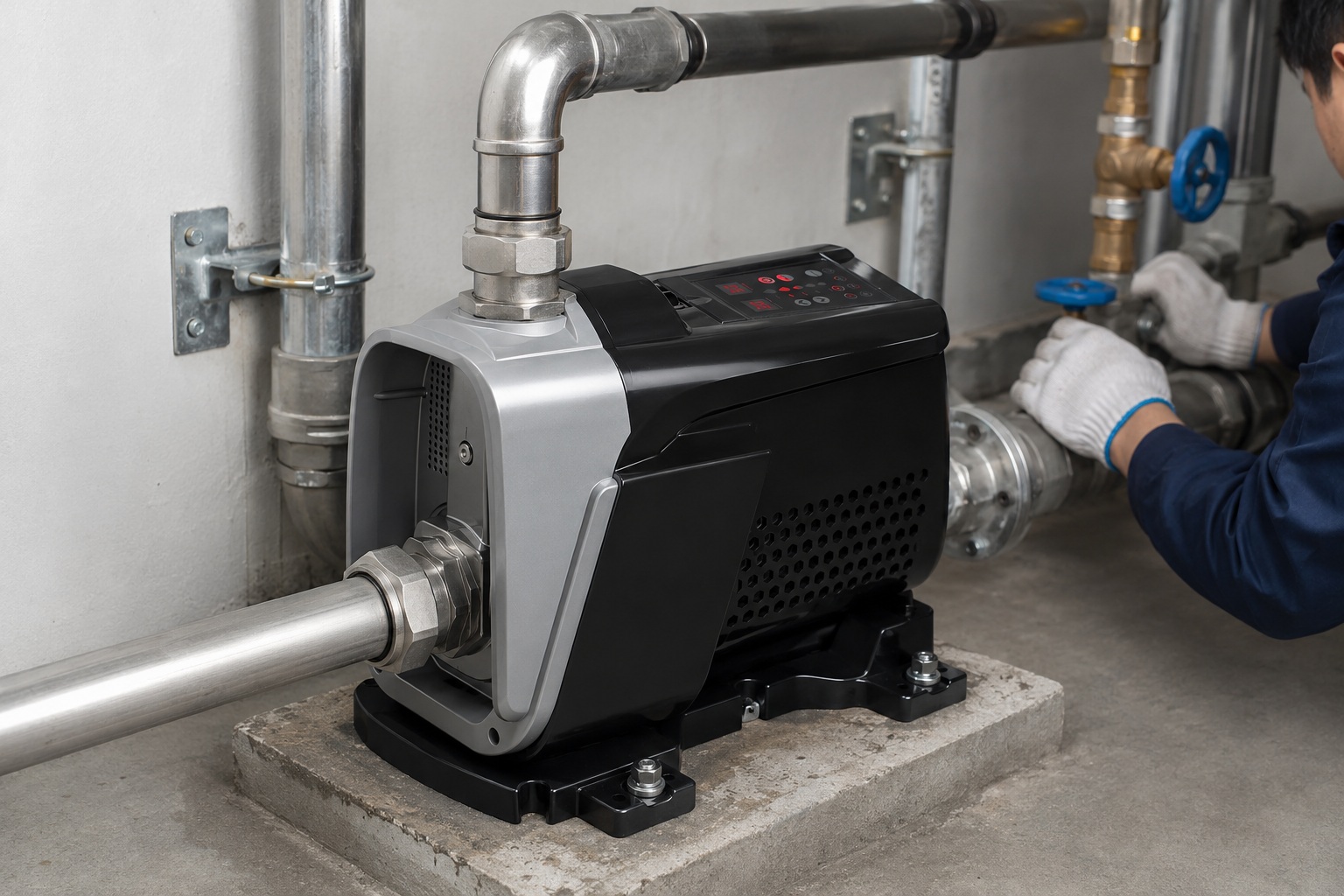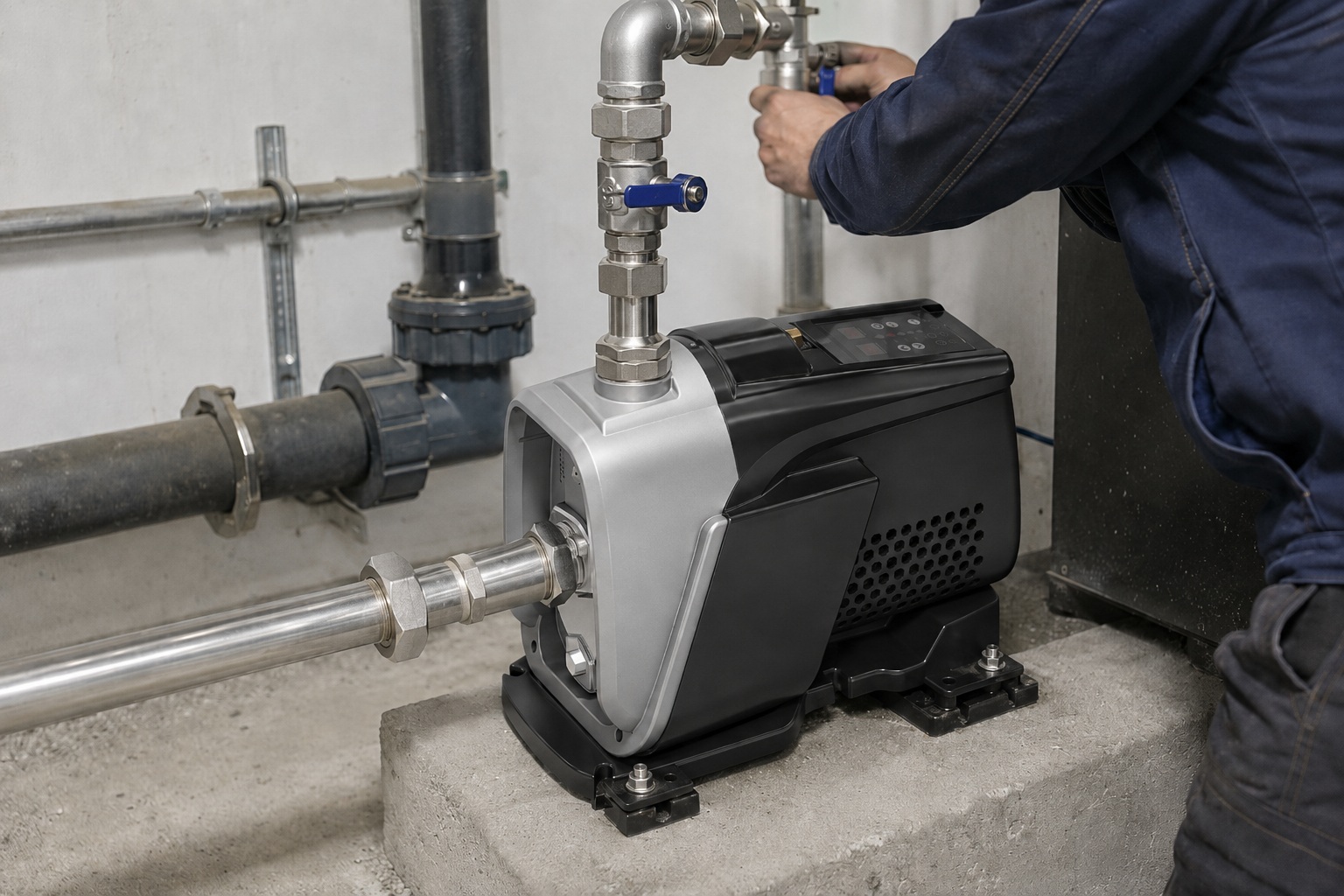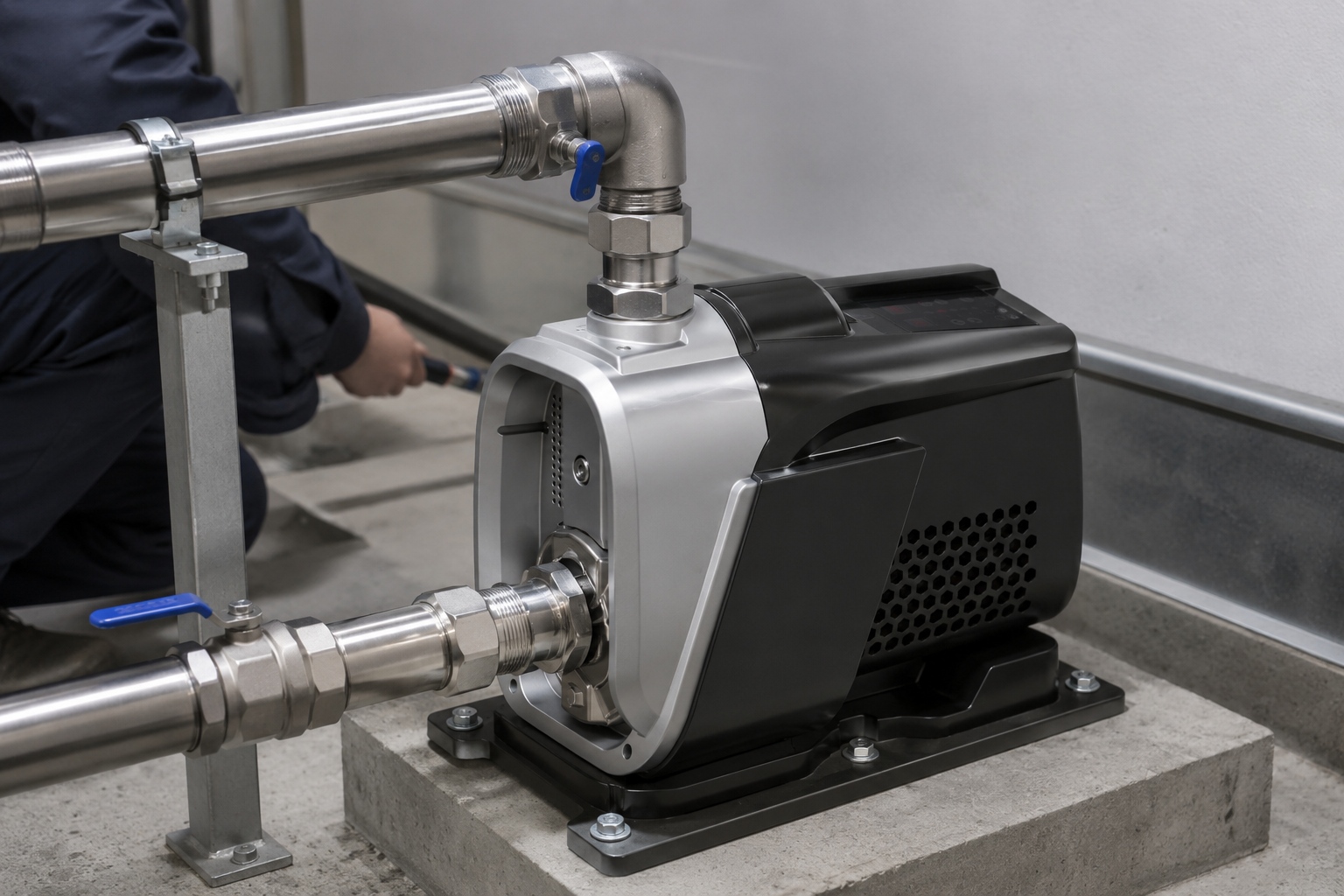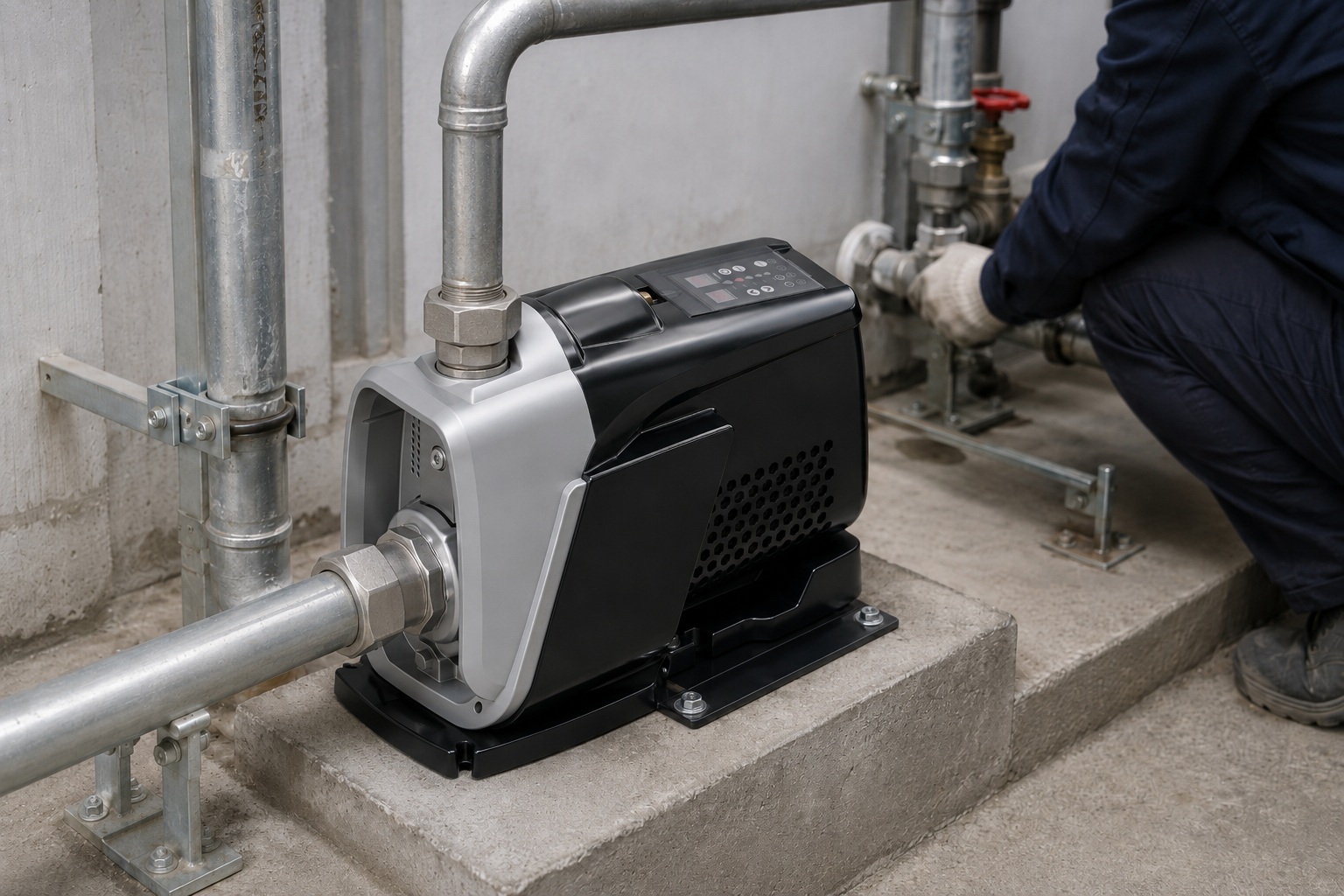
Struggling to navigate the massive global pump market?
This complex landscape can be confusing.
We've analyzed the industry leaders for you.
The world's largest pump manufacturer is widely recognized as a major European conglomerate, specifically from Denmark, based on annual revenue and global market share.
However, defining "largest" isn't simple.
It depends on whether you measure by sales, number of units produced, or technological innovation.
The simple answer often hides a more complex reality.
The global pump market is incredibly diverse, with different leaders in various sectors and regions.
To truly understand who leads this industry, we need to look beyond a single name.
Let's explore the different ways to measure leadership and the key players shaping the future of pump technology.
Defining 'Largest' in the Pump Industry**
Is "largest" just about total sales revenue?
Relying on one metric can give you an incomplete picture.
Let’s clarify how to accurately measure industry leadership.
The "largest" manufacturer is typically determined by annual revenue, but other key metrics include production volume, market capitalization, and employee count.
A holistic view considering these factors provides a more accurate picture of a company's scale and influence in the competitive global market.
To go deeper, we must break down what "largest" truly means for a B2B buyer.
Your business needs might align better with a leader in a specific category rather than the overall revenue giant.
Understanding these distinctions is crucial for making smart sourcing decisions.
Revenue vs. Volume
Revenue is the most common yardstick for size.
Leading European manufacturers often report annual revenues exceeding $4 billion, a figure that solidifies their top position.
This financial strength allows for massive investments in research and development, marketing, and global expansion.
However, volume, or the number of units produced, tells a different story.
A company might produce millions of smaller, lower-cost pumps, making it a leader in volume but not in revenue.
Chinese manufacturers, for example, are major players in high-volume production, especially for residential and light commercial applications.
For a distributor, a high-volume partner could be more strategic than a high-revenue one.
Market Capitalization and Global Reach
Market capitalization is another financial indicator, reflecting a company's value on the public stock market.
It shows investor confidence in the company's future growth and stability.
Global reach is equally important.
The top manufacturers have a presence in over 100 countries.
They operate through a network of sales offices, production facilities, and service partners.
This extensive network ensures product availability, local support, and service, which are critical factors for importers and distributors.
Technology and Innovation
In the modern pump industry, technological leadership is a powerful measure of influence.
Companies that pioneer innovations like intelligent permanent magnet variable frequency (VSD) technology are setting new standards for efficiency and performance.
A company's portfolio of technical patents—sometimes over 100—is a strong indicator of its commitment to innovation.
This technological edge often translates into market leadership, even if the company isn't the largest by revenue.
| Metric | Description | Who It Matters To |
|---|---|---|
| Annual Revenue | Total money generated from sales. | Investors, market analysts. |
| Production Volume | Total number of pumps manufactured. | Wholesalers, distributors focused on mass-market products. |
| Market Share | The company's sales as a percentage of total market sales. | Competitors, strategic planners. |
| Technological Patents | The number of unique, protected inventions. | B2B buyers seeking advanced, high-efficiency products. |
Ultimately, the "largest" manufacturer for you depends entirely on your business priorities.
Are you looking for a partner with the biggest financial backing, the highest production capacity, or the most advanced technology?
Answering that question will lead you to the right choice.
Key Market Segments and Their Leaders**
Does one company dominate all pump applications?
Assuming a single leader overlooks specialized market experts.
Let's identify the leaders in each key sector.
No single manufacturer leads all market segments.
Different companies specialize and dominate specific areas like water/wastewater, industrial processing, and building services.
Leaders in the industrial sector may have little presence in the residential market, and vice versa, creating a diverse competitive landscape.
Understanding the nuances of each market segment is essential for any serious buyer.
The pump you need for a municipal water treatment plant is vastly different from one used in a residential booster system.
The companies that make them are often just as different.
Top manufacturers strategically focus their resources on segments where they can build a competitive advantage through technology, scale, or service.
Let's dive into the three primary segments and see who holds the top spots.
Water and Wastewater Management
This is one of the largest and most critical segments.
It includes everything from municipal water supply and wastewater treatment to irrigation and flood control.
The pumps used here must be robust, reliable, and highly efficient to handle large volumes of water 24/7.
Leading manufacturers in this space are typically large, established European and American companies.
They have a long history of engineering excellence and a deep understanding of public utility requirements.
Their products are designed for long life cycles and low total cost of ownership.
Market share in this segment is often won through large-scale public tenders and long-term service contracts.
Up to 30% of the global pump market is tied to water management applications.
Industrial Applications
The industrial segment is incredibly diverse.
It covers applications in chemical processing, oil and gas, power generation, food and beverage, and more.
Pumps in this sector must handle a wide range of fluids, from corrosive chemicals to abrasive slurries, often at extreme temperatures and pressures.
Specialization is key.
Some companies are leaders in pumps for the oil and gas industry, while others excel in hygienic pumps for food production.
German, American, and Japanese manufacturers are particularly strong here.
They are known for their precision engineering and ability to customize solutions for specific industrial processes.
Their success is built on deep application knowledge and a reputation for uncompromising quality.
Commercial and Residential Buildings
This segment is often called "building services."
It includes pumps for heating, ventilation, and air conditioning (HVAC) systems, as well as water pressure boosting and fire suppression.
While the pumps may be smaller, the market volume is huge.
Efficiency and smart controls are the big trends here.
Variable speed drive (VSD) pumps that adjust their performance to match demand are becoming the standard.
They can reduce energy consumption by over 50% compared to traditional fixed-speed pumps.
Leading global brands have a strong presence, but this segment also sees vigorous competition from agile manufacturers in Asia.
These companies offer technologically advanced and price-competitive solutions, making them attractive partners for distributors serving the residential and light commercial markets.
Choosing a supplier requires matching their segment strength to your customer base.
Technological Trends Shaping the Industry**
Is your pump supplier stuck in the past?
Outdated technology leads to high energy costs and poor performance.
Stay ahead with pumps that are smarter and more efficient.
The most significant trend is the shift toward intelligent pumps with variable speed drive (VSD) technology and IoT connectivity.
These "smart pumps" optimize energy use, enable remote monitoring, and predict maintenance needs, delivering lower operating costs and greater reliability for end-users.
The pump is no longer just a simple mechanical device.
It is evolving into a complex, intelligent system that plays a central role in managing water and energy resources.
For importers and distributors, offering products with these advanced features is no longer a luxury; it's a necessity to stay competitive.
Customers are increasingly demanding solutions that are not only powerful but also smart and sustainable.
Let's examine the technologies that are redefining pump performance.
The Rise of Variable Speed Drive (VSD) Pumps
VSD technology is the single biggest game-changer in the pump industry in decades.
Traditional pumps run at a single, fixed speed, regardless of demand.
This is like driving your car with the accelerator pushed to the floor all the time and controlling your speed with the brake.
It's incredibly inefficient.
A VSD pump, by contrast, uses a permanent magnet motor and an integrated frequency converter to adjust its speed precisely to match the system's needs.
This simple change has a massive impact.
Here’s why it matters:
- Energy Savings: VSD pumps can cut energy consumption by 30-60%. Since energy can account for 85% of a pump's total lifecycle cost, the savings are substantial.
- Constant Pressure: In water boosting applications, VSDs maintain perfect, constant water pressure, improving user comfort.
- Reduced Wear and Tear: By avoiding the stress of constant starts and stops and running at lower average speeds, the pump and the entire system last longer.
Manufacturers with strong R&D in VSD technology, particularly in intelligent permanent magnet systems, are leading the market forward.
IoT and Smart Pumping Solutions
The Internet of Things (IoT) is making pumps smarter than ever.
By embedding sensors and wireless communication capabilities, modern pumps can connect to the cloud.
This allows for a range of new possibilities.
Key IoT Features
- Remote Monitoring: Facility managers can check the pump's status, performance, and energy consumption from a smartphone or computer anywhere in the world.
- Predictive Maintenance: The pump can analyze its own operational data to predict when a component is likely to fail. It can then send an alert, allowing for maintenance to be scheduled before a costly breakdown occurs.
- System Optimization: Connected pumps can communicate with each other and with a building's management system to optimize the entire network's performance.
This technology transforms a pump from a standalone component into an active participant in a connected, intelligent building or industrial process.
Focus on Efficiency and Sustainability
Driven by rising energy costs and stricter environmental regulations, efficiency is paramount.
Regulations like the EU's Ecodesign Directive set minimum efficiency standards for pumps.
Manufacturers are competing to exceed these standards.
They achieve this through:
- Advanced Hydraulics: Using computational fluid dynamics (CFD) software to design impellers and pump casings that move water with less turbulence and energy loss.
- High-Efficiency Motors: Adopting motor technologies like permanent magnet synchronous motors (PMSM) that are significantly more efficient than traditional induction motors.
- Sustainable Materials: Using durable, corrosion-resistant materials like stainless steel that extend the product's life and are recyclable.
For a distributor, stocking high-efficiency pumps is not just good for the environment; it's a powerful selling point that directly addresses customers' concerns about high utility bills.
The future of the industry belongs to companies that master these technologies.
Geographic Landscape of Pump Manufacturing**
Do all the best pumps come from Europe?
This common belief can cause you to miss major global innovators.
Let's look at where the world's pumps are actually made.
While Europe, particularly Germany and Denmark, is home to many traditional market leaders, Asia—especially China—has become a dominant force in pump manufacturing.
This shift reflects China's massive investment in production capacity, R&D, and quality control, creating a new global dynamic.
The map of the pump industry is being redrawn.
For decades, a handful of Western companies set the rules.
Today, the landscape is far more global and competitive.
Understanding the strengths of each manufacturing region is key to developing a robust and flexible sourcing strategy.
An effective global sourcing plan often involves partners from different regions to balance innovation, cost, and logistics.
Let's explore the capabilities of these major manufacturing hubs.
The European Stronghold
Europe is the traditional heartland of high-quality pump manufacturing.
Germany, Denmark, and Italy are home to some of the industry's most iconic brands.
Their strengths are clear:
- Engineering Excellence: A long tradition of precision engineering and innovation.
- Brand Reputation: Decades of building trust based on quality and reliability.
- Technological Leadership: A strong focus on R&D for high-end industrial and commercial applications.
European manufacturers excel in specialized, high-value segments.
They are often the go-to choice for complex industrial projects or large-scale municipal infrastructure where performance and reliability are non-negotiable.
However, this premium quality often comes with a premium price tag.
The Rise of Asia
Asia, led by China, has fundamentally transformed the global pump market.
Once known primarily for low-cost, high-volume production, the region's top manufacturers are now competing on quality and technology as well.
Key Strengths of Chinese Manufacturers
- Massive Scale: China is the world's largest producer of pumps by volume. State-of-the-art facilities with dozens of production lines can produce hundreds of thousands of units annually.
- Technological Advancement: Leading Chinese companies have invested heavily in R&D, developing their own advanced VSD technology and accumulating hundreds of technical patents.
- Quality Control: Modern factories operate with rigorous quality control systems, from incoming materials inspection (IQC) to final outgoing quality assurance (OQA). Many products meet or exceed international standards like CE, IEC, and RoHS.
- Price Competitiveness: By combining scale, efficiency, and a well-developed supply chain, Chinese manufacturers can offer technologically advanced products at a highly competitive price point.
For importers like "Andrew" from Australia, who need quality products that are also price-competitive and can be privately branded, top-tier Chinese manufacturers are an ideal partner.
North America and Other Regions
North America, particularly the United States, has a strong manufacturing base, especially for the industrial, oil and gas, and municipal water markets.
American companies are known for their rugged, durable products built to meet demanding domestic standards.
Other countries like Japan and South Korea also have highly respected manufacturers, particularly in specialized industrial and electronic component applications.
| Region | Primary Strength | Key Market Segments | Price Point |
|---|---|---|---|
| Europe | Engineering, Brand Reputation | Industrial, Commercial HVAC | High |
| Asia (China) | Scale, Price-Performance, VSD Tech | Residential, Commercial, Light Industrial | Competitive |
| North America | Durability, Industrial Specialization | Oil & Gas, Municipal Water | High |
The best sourcing strategy for a modern distributor is often a "best of both worlds" approach.
It might involve sourcing high-end specialty pumps from Europe while partnering with a leading Chinese manufacturer for high-volume, technologically advanced products like VSD booster pumps and solar pumps.
This provides a balanced portfolio that can compete across all market segments.
Conclusion
The "largest" pump manufacturer depends on your metric.
Revenue leaders are in Europe, but Asia leads in volume and value.
The best partner aligns with your specific needs for technology, market, and price.
FAQs
What country makes the best water pumps?
Quality pumps are made globally. Germany and Denmark are known for high-end industrial engineering, while China leads in producing technologically advanced, cost-effective pumps for residential and commercial use.
Who is the largest pump manufacturer in Europe?
A Danish multinational is widely regarded as the largest pump manufacturer in Europe and globally, based on revenue and market share, specializing in a wide range of pump solutions.
How big is the global pump market?
The global pump market is valued at over $80 billion annually. It is projected to grow steadily due to increasing demand for water, industrial development, and energy-efficient solutions.
Are Chinese water pumps any good?
Yes, leading Chinese manufacturers produce high-quality pumps that meet international standards like CE and RoHS. They invest heavily in R&D, particularly in efficient VSD technology, offering excellent value.
What is the most common type of pump?
Centrifugal pumps are the most common type used across the globe. They are versatile, efficient, and used in a vast range of applications from residential water supply to large-scale industrial processes.
What is a VSD pump?
A VSD (Variable Speed Drive) pump automatically adjusts its motor speed to match demand. This provides constant pressure, reduces energy consumption significantly, and extends the pump's lifespan.
Why is stainless steel used in pumps?
Stainless steel offers excellent resistance to corrosion and rust. This makes it ideal for pumps handling drinking water or mildly corrosive fluids, ensuring longevity and hygienic operation.
What does a pump's energy efficiency rating mean?
An energy efficiency rating indicates how effectively a pump converts electrical energy into water flow. Higher ratings mean lower energy consumption, reducing operating costs for the end-user.