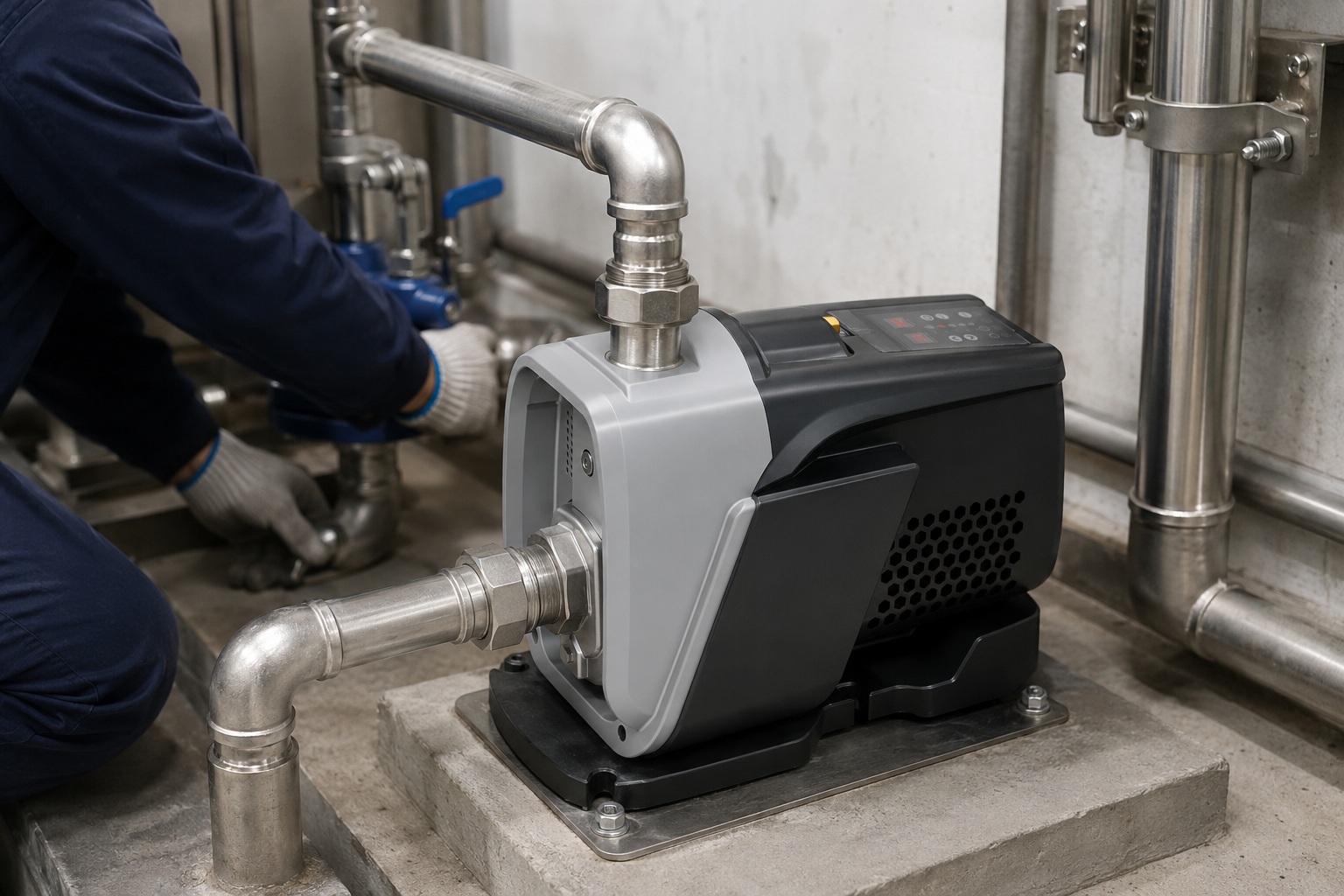
Struggling with inefficient fluid transfer?
Low pressure and poor flow rates can disrupt your operations.
A centrifugal pump offers a reliable and powerful solution for your needs.
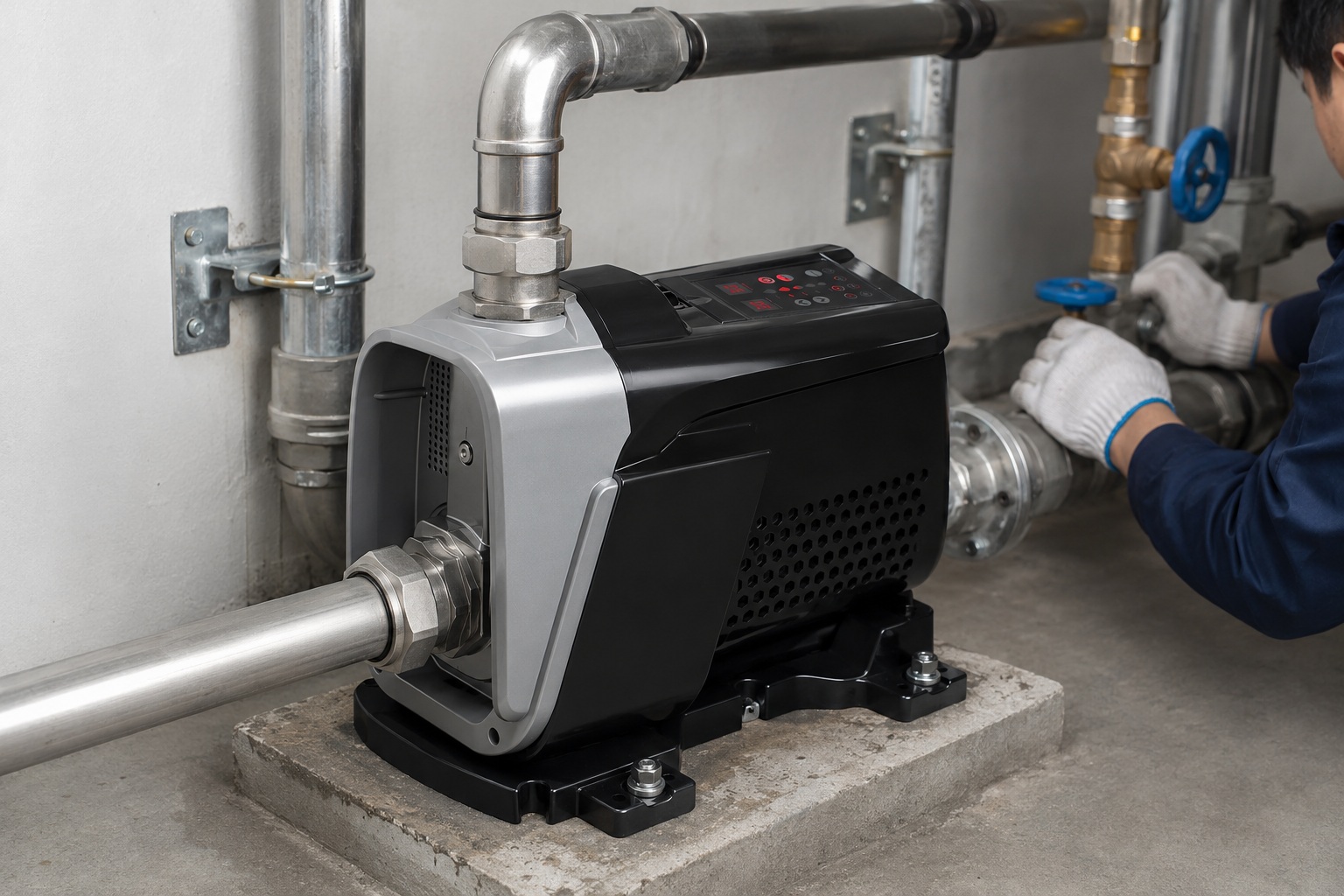
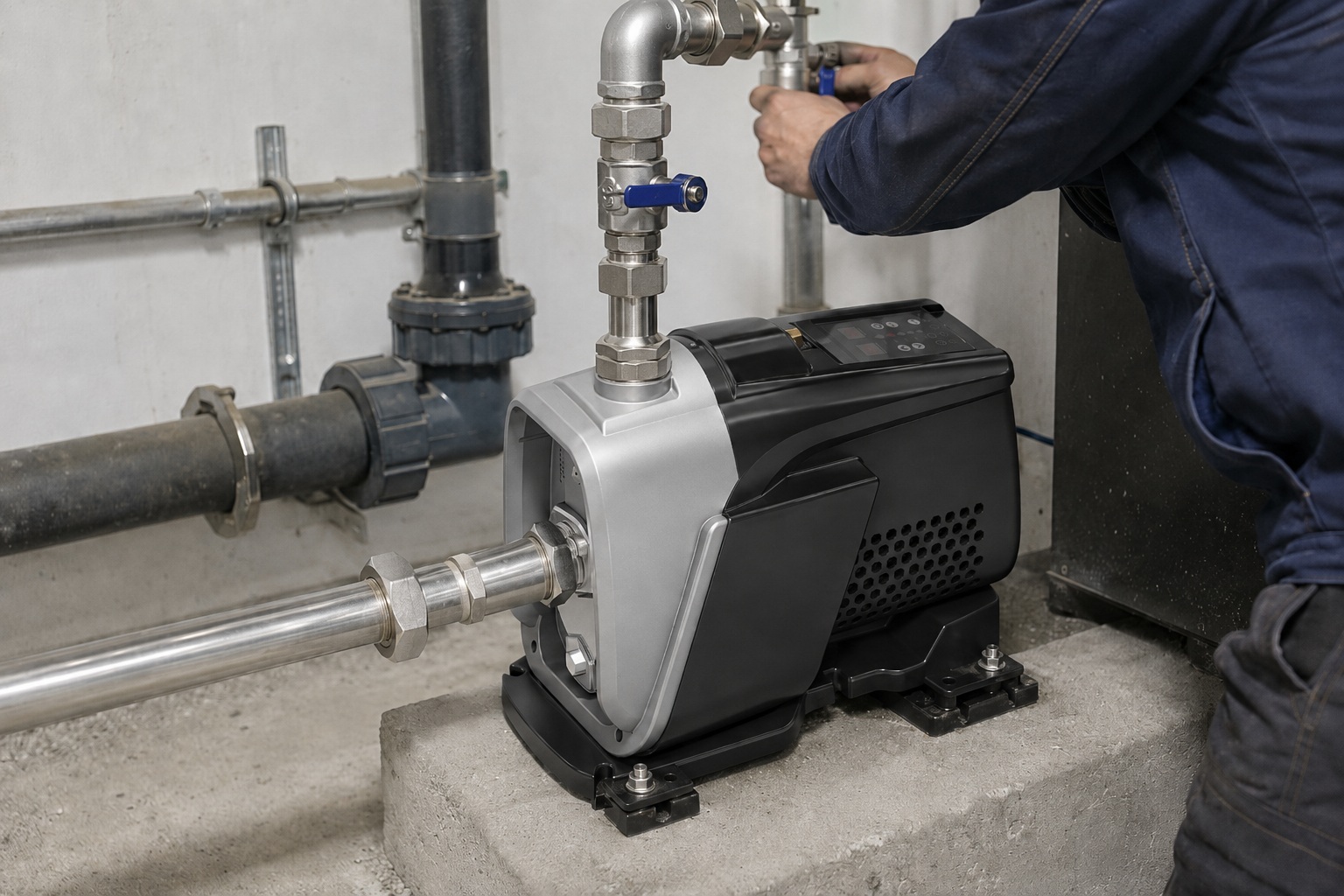
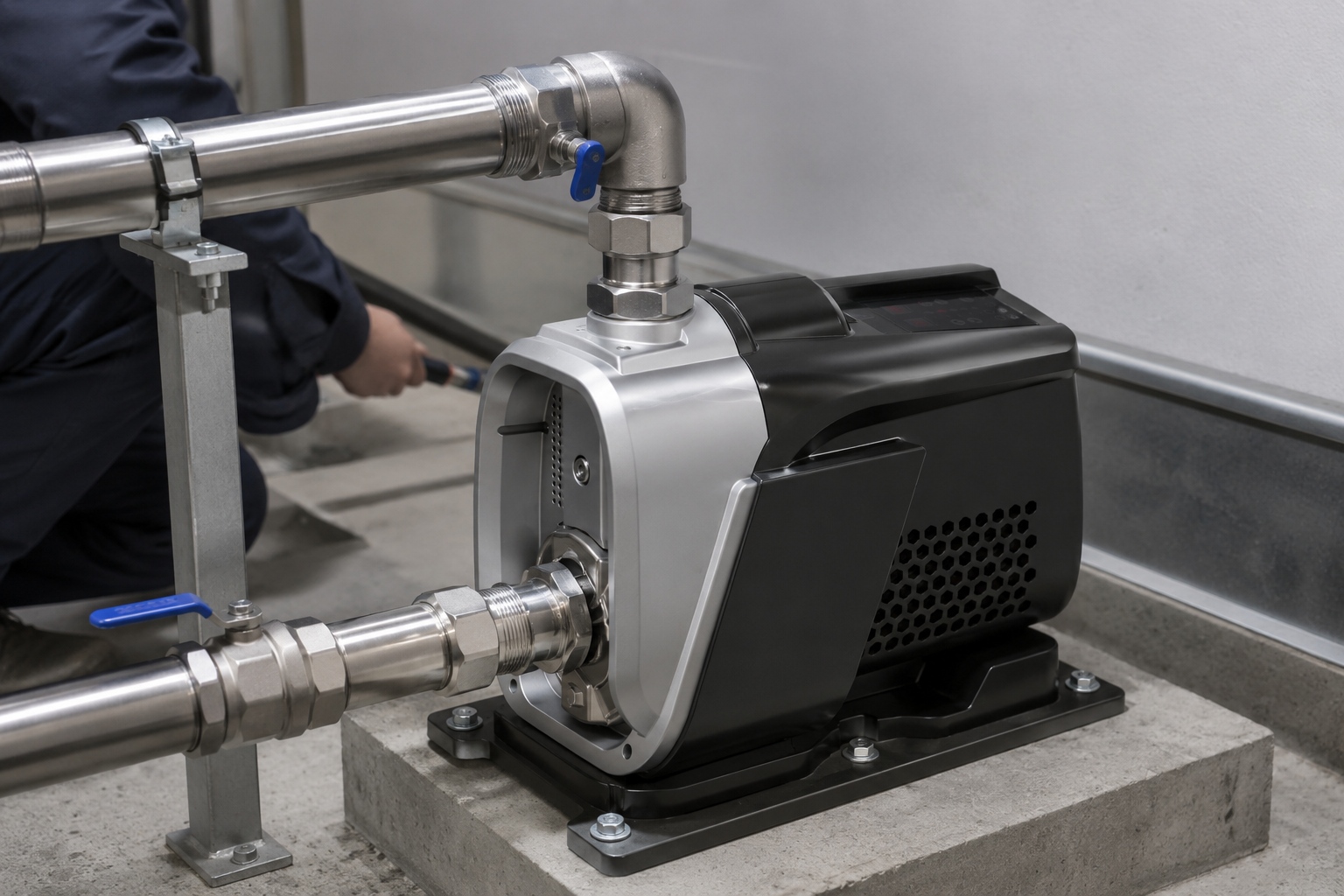
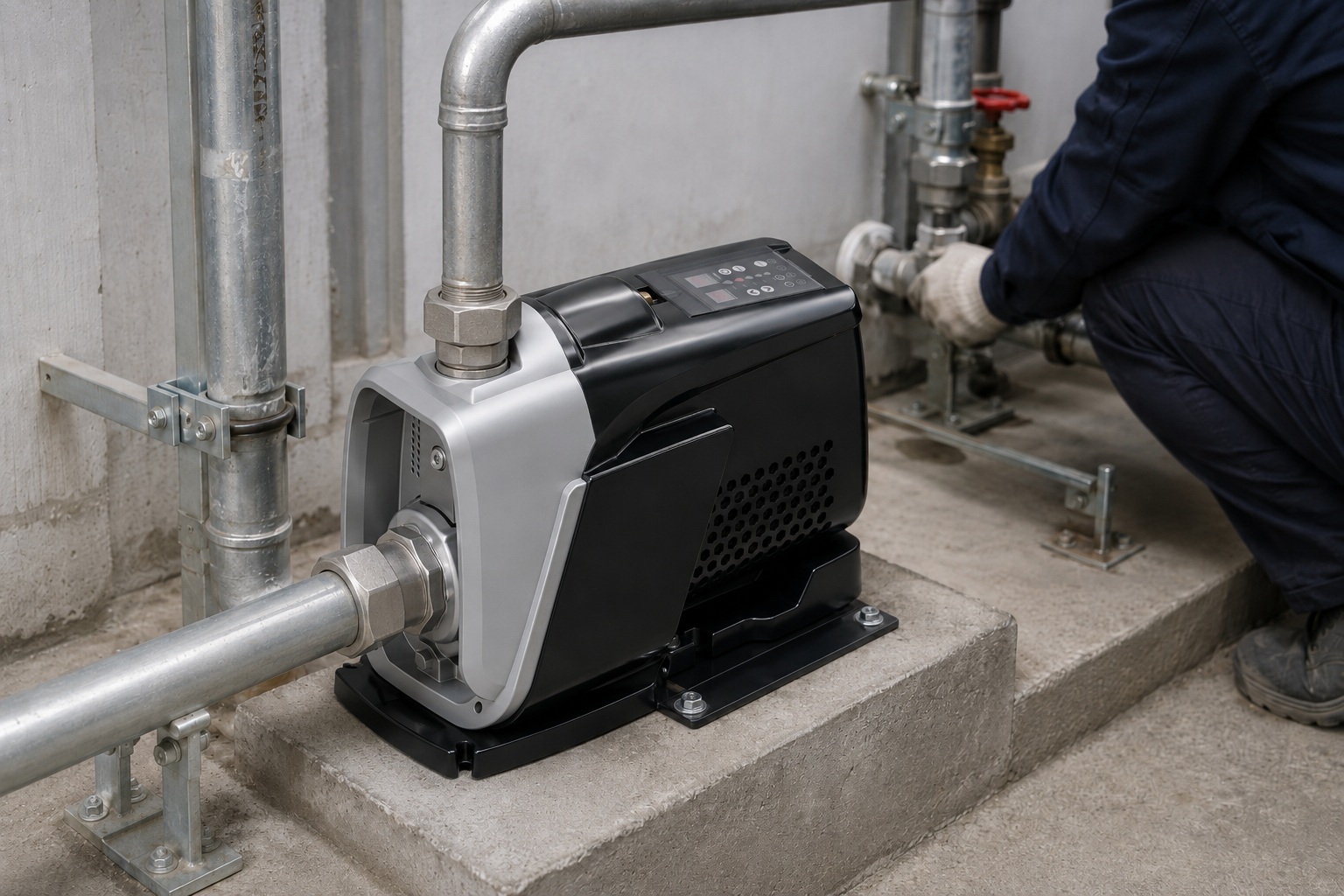
A centrifugal pump is a mechanical device designed to move a fluid by transferring rotational energy from one or more driven rotors, called impellers. The fluid enters the rapidly rotating impeller along its axis and is cast out by centrifugal force along its circumference through the impeller's vane tips.
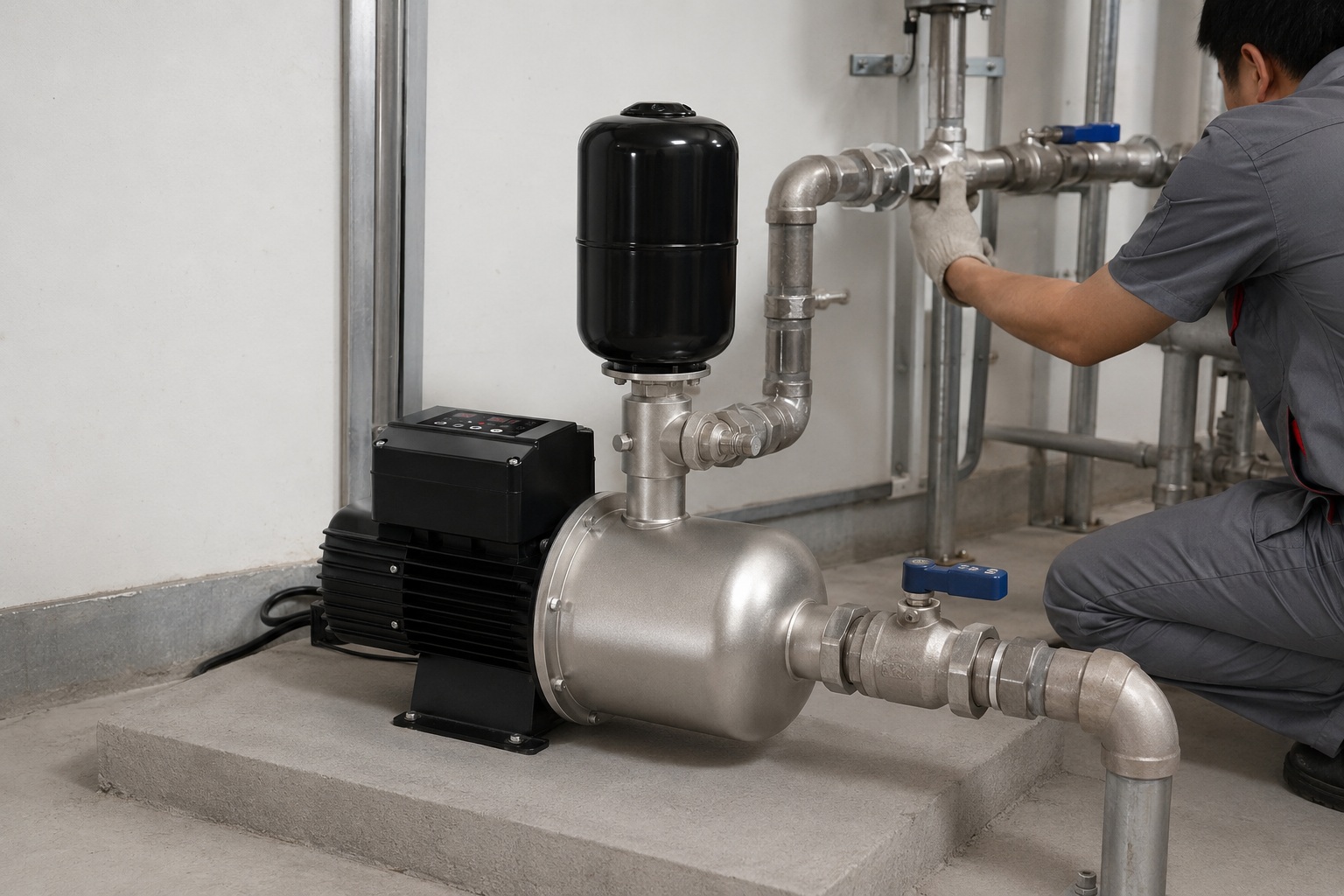
Thinking about how to move liquids efficiently is a common challenge.
You might have many questions about the best way to do this.
This article will explain everything you need to know about centrifugal pumps.
It will guide you through how they work and where they are used.
Let's explore this essential technology together.
How Does a Centrifugal Pump Work?
Your operations depend on moving fluids effectively.
Poor pump performance can create bottlenecks and increase costs.
Understanding the pump's working principle helps you choose the right one.
A centrifugal pump works by converting driver energy into the kinetic energy of a fluid. An impeller, the pump's rotating part, pulls fluid in. Centrifugal force then pushes the fluid outward, increasing its velocity. The volute casing then converts this high velocity into high pressure.
The process seems simple, but it involves precise engineering.
Let's break down the key steps and components.
This deeper knowledge is crucial for anyone sourcing or using these pumps.
It helps you evaluate quality and performance beyond just the spec sheet.
Knowing the "how" ensures you can diagnose issues and optimize your systems.
The Core Components
A pump is only as good as its parts.
- Impeller: This is the heart of the pump. It rotates and imparts energy to the fluid. Impellers can be open, semi-open, or closed, each suited for different types of fluids. For example, open impellers are better for fluids with suspended solids.
- Casing (Volute): The casing surrounds the impeller. Its unique spiral shape, called a volute, is designed to slow down the fluid. As the fluid slows, its kinetic energy is converted into pressure energy. This design is over 90% effective at pressure conversion.
- Shaft: The shaft connects the impeller to the motor. It transmits the rotational force needed to spin the impeller. The shaft must be strong and precisely aligned to prevent vibration.
- Seals: Seals prevent leakage along the shaft. Mechanical seals are common in modern pumps, offering superior performance over older packing methods. They can handle higher pressures and temperatures.
The Energy Conversion Process
Understanding energy conversion helps you see the pump's efficiency.
The entire operation is a two-stage energy transformation.
| Stage | Input Energy | Component | Output Energy | Efficiency Note |
|---|---|---|---|---|
| Stage 1 | Rotational (Mechanical) | Impeller | Kinetic (Velocity) | Impeller design (vane angle, diameter) dictates this efficiency. |
| Stage 2 | Kinetic (Velocity) | Casing (Volute) | Potential (Pressure) | Volute design smoothness and geometry are critical for minimizing energy loss. |
The motor provides electrical energy, which is converted to mechanical energy.
The pump then takes this mechanical energy to move the fluid.
First, the impeller spins rapidly.
This creates a low-pressure area at its center, or "eye."
Atmospheric pressure or head pressure pushes the fluid into the eye of the impeller.
The impeller's vanes then catch the fluid.
They accelerate it radially outward at high speed.
This high-velocity fluid then enters the volute casing.
The expanding shape of the volute forces the fluid to slow down.
According to Bernoulli's principle, as velocity decreases, pressure must increase.
This pressure is what drives the fluid through the outlet and into your piping system.
The efficiency of this entire process can range from 40% to over 95% in high-end, specialized pumps.
What Are the Main Types of Centrifugal Pumps?
Need a pump but unsure which type fits your application?
Using the wrong pump leads to poor performance and early failure.
Knowing the different types ensures you make the best choice.
The main types of centrifugal pumps are classified by factors like flow direction, number of stages, and design. Common types include radial flow, mixed flow, and axial flow pumps. They can also be single-stage or multi-stage, and have various casing designs like volute or diffuser.
The world of pumps is diverse.
Each type is engineered for specific tasks.
For a B2B buyer like you, matching the pump type to the customer's need is key.
It's about providing a solution, not just a product.
Let's dive into the classifications that matter most for performance and application.
Classification by Flow Direction
The path fluid takes through the impeller is a primary design factor.
This design choice directly impacts the pressure and flow rate capabilities of the pump.
- Radial Flow Pumps: In these pumps, the fluid enters along the impeller's axis and is discharged at 90 degrees to the shaft (radially). This design is excellent for generating high pressure at lower flow rates. It's the most common type and is used widely in water booster systems. Over 75% of industrial pumps are radial flow.
- Axial Flow Pumps: Here, the fluid enters and exits along the same axis as the shaft (axially), much like a boat's propeller. These pumps are designed for very high flow rates but generate low pressure. They are ideal for applications like drainage, flood control, and large-scale water circulation.
- Mixed Flow Pumps: This is a hybrid design. The fluid enters axially and is discharged at an angle between radial and axial (typically 45-60 degrees). They offer a balance, providing medium pressure at high flow rates. They are often used in agricultural irrigation and municipal water supply.
Classification by Number of Stages
A "stage" is essentially one impeller and its matching casing.
Adding more stages increases the final discharge pressure.
- Single-Stage Pumps: These pumps have only one impeller. They are simple, cost-effective, and easy to maintain. They are perfect for applications requiring high flow rates but lower head (pressure). Most household booster pumps are single-stage.
- Multi-Stage Pumps: These pumps have two or more impellers housed in a single casing. The fluid is discharged from one impeller and immediately enters the next. With each stage, the pressure increases. These are used for high-pressure applications like boiler feed water, reverse osmosis, and moving water up tall buildings. A 4-stage pump can achieve nearly four times the pressure of a comparable single-stage pump.
Classification by Casing Design
The casing's job is to convert velocity to pressure. Its design matters.
| Casing Type | Description | Primary Application | Key Advantage |
|---|---|---|---|
| Volute Casing | A spiral-shaped casing with an increasing cross-sectional area. | General purpose water & industrial fluids. Used in over 80% of single-stage pumps. | Simple design, cost-effective, good efficiency over a wide range of flows. |
| Diffuser Casing | Stationary vanes surround the impeller to guide the flow and manage pressure conversion more gradually. | High-pressure, multi-stage pumps (e.g., vertical turbine, deep well pumps). | Higher efficiency at the pump's best efficiency point (BEP), balances radial loads on the shaft. |
Understanding these types allows you to specify the exact pump solution.
For instance, a customer needing to supply water to a 20-story building needs a multi-stage, radial flow pump.
A farmer needing to irrigate a large field needs a mixed or axial flow pump.
This expert knowledge builds trust and positions you as a valuable partner.
What Are the Applications of Centrifugal Pumps?
Do you wonder where centrifugal pumps are actually used?
Not knowing their applications limits your market opportunities.
These pumps are essential in countless industries worldwide.
Centrifugal pumps are used in a vast range of applications, including water supply and boosting for residential and commercial buildings, agricultural irrigation, and municipal water treatment. They are also critical in industrial processes for moving chemicals, petroleum, and other fluids.
The versatility of centrifugal pumps is remarkable.
They are the workhorses of the fluid-handling world.
From a small home to a massive industrial plant, their presence is vital.
Recognizing their broad use helps you identify new customer segments.
Let's explore some of the key sectors where these pumps are indispensable.
Domestic and Commercial Water Supply
This is a massive market. Every modern building needs reliable water pressure.
- Household Booster Pumps: These are small centrifugal pumps that increase water pressure for showers, taps, and appliances. Variable Speed Drive (VSD) pumps are increasingly popular here, saving up to 60% on energy by adjusting motor speed to demand.
- HVAC Systems: In large buildings, pumps circulate hot and chilled water for heating, ventilation, and air conditioning (HVAC) systems. Reliability is paramount in these applications.
- Firefighting Systems: High-pressure multi-stage pumps are the heart of fire sprinkler and hydrant systems, required by safety regulations in most commercial buildings.
Agriculture and Irrigation
Feeding the world depends on efficient water management.
Centrifugal pumps are central to this effort.
- Surface Irrigation: Large, high-volume pumps (often mixed or axial flow) move water from rivers or canals to flood fields.
- Sprinkler & Drip Irrigation: High-pressure pumps are needed to push water through networks of pipes and sprinklers. Solar-powered pumps are a growing trend in this area, especially in off-grid locations. In regions like South Africa and rural Australia, solar pumps can reduce operational costs by over 80%.
- Fertigation: Pumps are used to inject fertilizers and other nutrients directly into the irrigation water, ensuring even distribution.
Industrial and Manufacturing
Industries rely on pumps to move raw materials, products, and waste.
This is where pump specialization becomes critical.
| Industry | Primary Use of Centrifugal Pumps | Common Fluid Types |
|---|---|---|
| Chemical Processing | Transferring raw materials, intermediates, and finished products. | Acids, solvents, caustics, polymers. |
| Oil and Gas | Pumping crude oil, saltwater disposal, pipeline boosting. | Crude oil, refined fuels, water. |
| Food and Beverage | Moving ingredients, cleaning fluids (CIP), and wastewater. | Milk, juice, beer, cleaning solutions. |
| Mining | Dewatering mines, slurry transport. | Water, slurry (water with suspended solids). |
In these sectors, pump materials are crucial.
A pump for a chemical plant might be made of stainless steel or specialized alloys to resist corrosion.
A pump for mining slurry will have a rubber-lined casing and a hardened impeller to resist abrasion.
Choosing the right pump prevents costly downtime and safety hazards.
The global industrial pump market is projected to grow by 4-5% annually, driven by these diverse needs.
What Are the Advantages and Disadvantages?
Is a centrifugal pump always the right choice?
Choosing the wrong pump type can be an expensive mistake.
Understanding its pros and cons helps you make an informed decision.
The main advantages of centrifugal pumps are their simple design, high efficiency, and ability to handle a wide range of flow rates and fluids. They are also relatively low-cost and easy to maintain. Their primary disadvantage is they are not self-priming and can be sensitive to operating conditions.
No single technology is perfect for every situation.
The centrifugal pump is incredibly popular for good reasons.
However, it's just as important to know its limitations.
This balanced view is what makes you a trusted advisor to your clients.
Let's weigh the benefits against the drawbacks in more detail.
Key Advantages
The popularity of centrifugal pumps is built on a solid foundation of benefits.
These advantages make them the first choice for over 75% of pumping applications globally.
- Simplicity and Reliability: They have few moving parts (mainly the impeller and shaft). This simple construction leads to lower manufacturing costs, easier maintenance, and longer operational life. A well-maintained centrifugal pump can operate for 15-20 years or more.
- High Efficiency: Modern centrifugal pumps can achieve hydraulic efficiencies well over 90%. VSD-equipped models further enhance this by matching energy use to demand, which can cut electricity consumption by 30-60%.
- Smooth, Pulseless Flow: Unlike positive displacement pumps that deliver fluid in pulses, a centrifugal pump provides a steady, continuous flow. This is critical for many industrial processes and reduces stress on the piping system.
- Versatility: They can be designed to handle a huge range of conditions.
- Flow Rates: From a few liters per minute to thousands of cubic meters per hour.
- Pressures: From low-head circulation to high-pressure boiler feed.
- Fluids: From clean water to corrosive chemicals and light slurries.
Potential Disadvantages
Knowing the limitations is crucial for proper application and system design.
Addressing these weaknesses often involves a small adjustment to the system.
- Not Self-Priming: A standard centrifugal pump cannot evacuate air from its suction line. It must be "primed" – the casing and suction line must be filled with liquid before startup. Running a pump dry will destroy the mechanical seal in seconds. Solutions include installing a foot valve on the suction line or using a dedicated priming system.
- Sensitivity to Operating Point: A pump's efficiency is highest at its Best Efficiency Point (BEP). Operating too far from the BEP can lead to problems.
- Operating at low flow (left of BEP) can cause recirculation, leading to vibration, high temperatures, and bearing failure.
- Operating at high flow (right of BEP) can cause cavitation, which is the formation and collapse of vapor bubbles. Cavitation can severely damage the impeller and casing.
- Limited Suction Lift: Centrifugal pumps are better at pushing liquid than pulling it. Their ability to "lift" water from a source below them is limited by atmospheric pressure and friction losses. The practical suction lift is typically around 4-6 meters. For deeper sources, a submersible or vertical turbine pump is required.
Here's a summary table to help decide:
| Consideration | Advantage | Disadvantage | Solution/Mitigation |
|---|---|---|---|
| Initial Cost | Generally lower than other pump types. | - | - |
| Maintenance | Simple, with few wear parts. | Seal failure if run dry. | Ensure proper priming and monitoring. |
| Priming | - | Requires initial priming. | Use foot valves, self-priming models, or submersible pumps. |
| Flow | Smooth and non-pulsating. | Performance drops with viscous fluids. | Use a positive displacement pump for high viscosity. |
| Efficiency | High, especially at the BEP. | Sensitive to operating away from BEP. | Proper system design and pump selection are key. |
By presenting both sides, you demonstrate expertise.
You help your customer, Andrew, not only buy a product but also design a successful system around it.
This builds long-term partnerships.
Conclusion
In summary, centrifugal pumps are versatile, efficient machines.
They are essential for moving fluids in countless applications worldwide.
Understanding them is key to success in many industries.
Frequently Asked Questions
What is the difference between a centrifugal pump and a positive displacement pump?
A centrifugal pump uses an impeller to generate flow and pressure. A positive displacement pump traps a fixed amount of fluid and forces it out, providing constant flow regardless of pressure.
Why is my centrifugal pump not pumping?
The most common reason is a loss of prime, meaning the casing is not full of water. Other causes include a clogged suction line, a closed valve, or the pump running in reverse.
What is pump cavitation and how can I prevent it?
Cavitation is the formation and collapse of vapor bubbles inside the pump, which causes damage. Prevent it by ensuring adequate suction pressure (NPSHa > NPSHr) and operating the pump near its Best Efficiency Point.
Can a centrifugal pump run dry?
No, a standard centrifugal pump should never run dry. Running without liquid will quickly overheat and destroy the mechanical seal, leading to major leaks and costly repairs.
How do I choose the right size centrifugal pump?
Sizing requires knowing the required flow rate (GPM or m³/h) and total dynamic head (pressure). These two points are plotted on a pump curve to select the most efficient model.
What is the function of a volute in a centrifugal pump?
The volute is the spiral-shaped casing that surrounds the impeller. Its function is to convert the high-velocity kinetic energy of the fluid into high-pressure potential energy.
Can centrifugal pumps handle solids?
Yes, certain types can. Pumps with open or semi-open impellers, or specialized grinder pumps, are designed to handle fluids containing solids, slurries, or wastewater without clogging.
What is a pump curve?
A pump curve is a graph that shows a pump's performance. It plots the flow rate on the x-axis against the head (pressure) on the y-axis, allowing you to see if a pump meets your system's requirements.