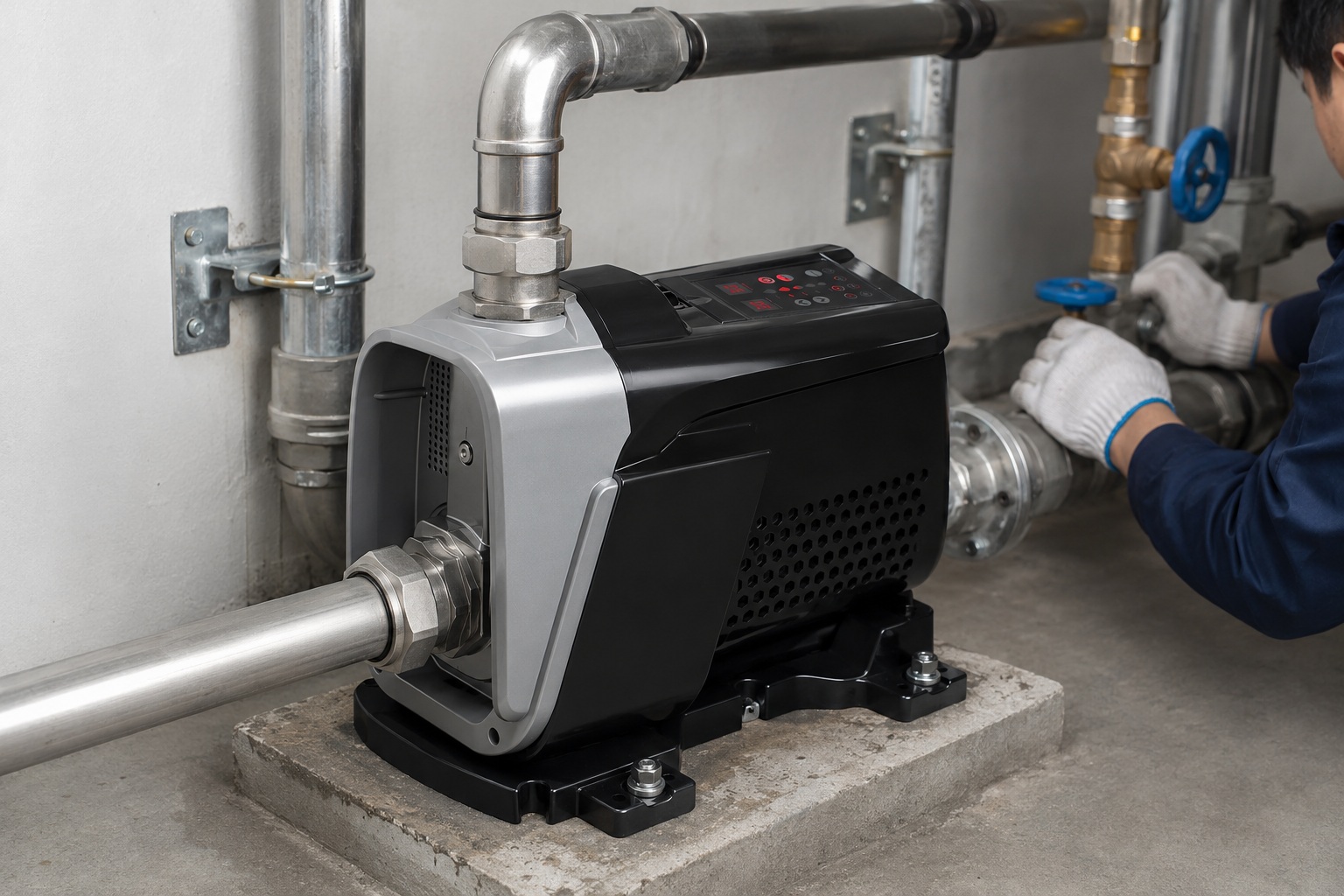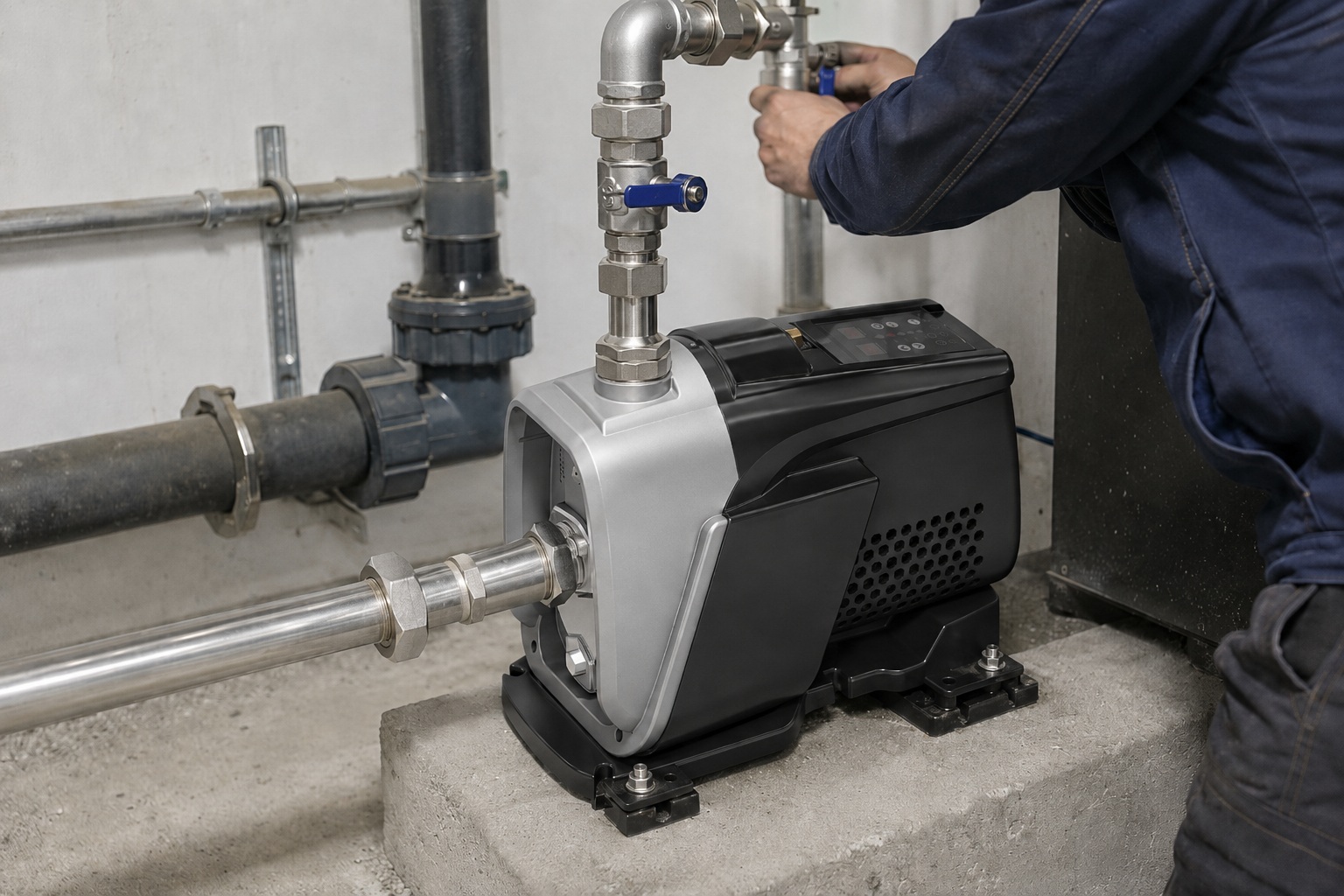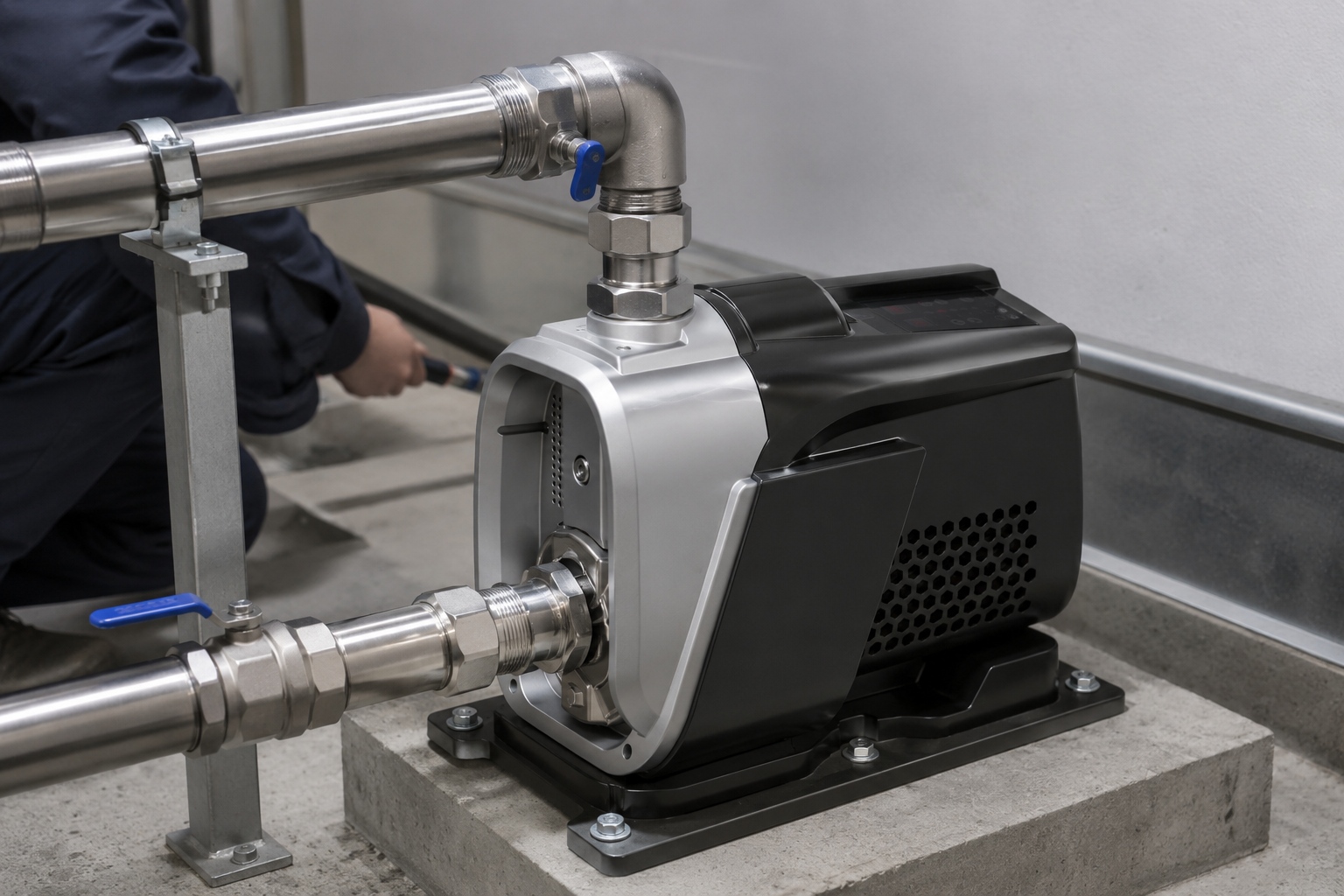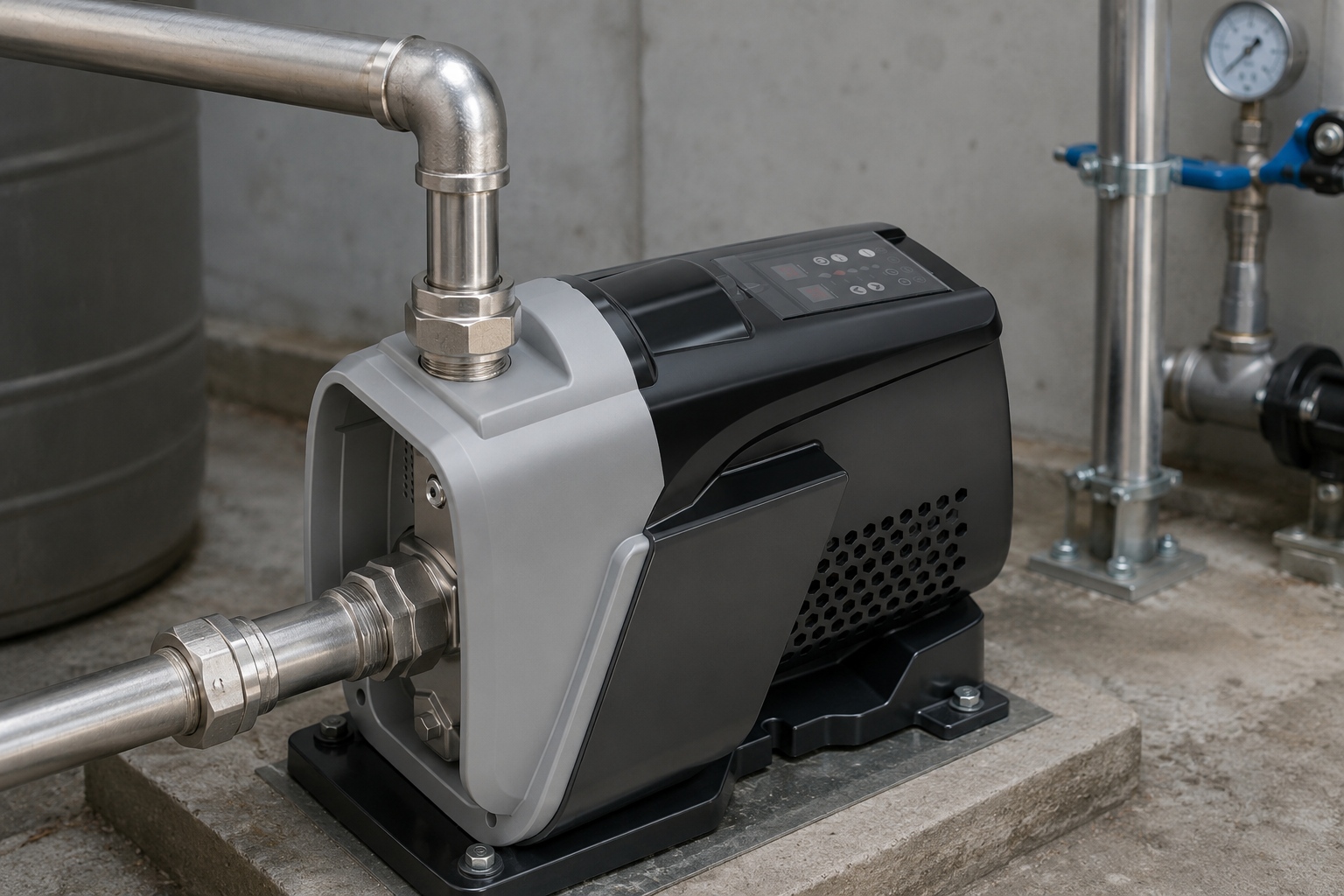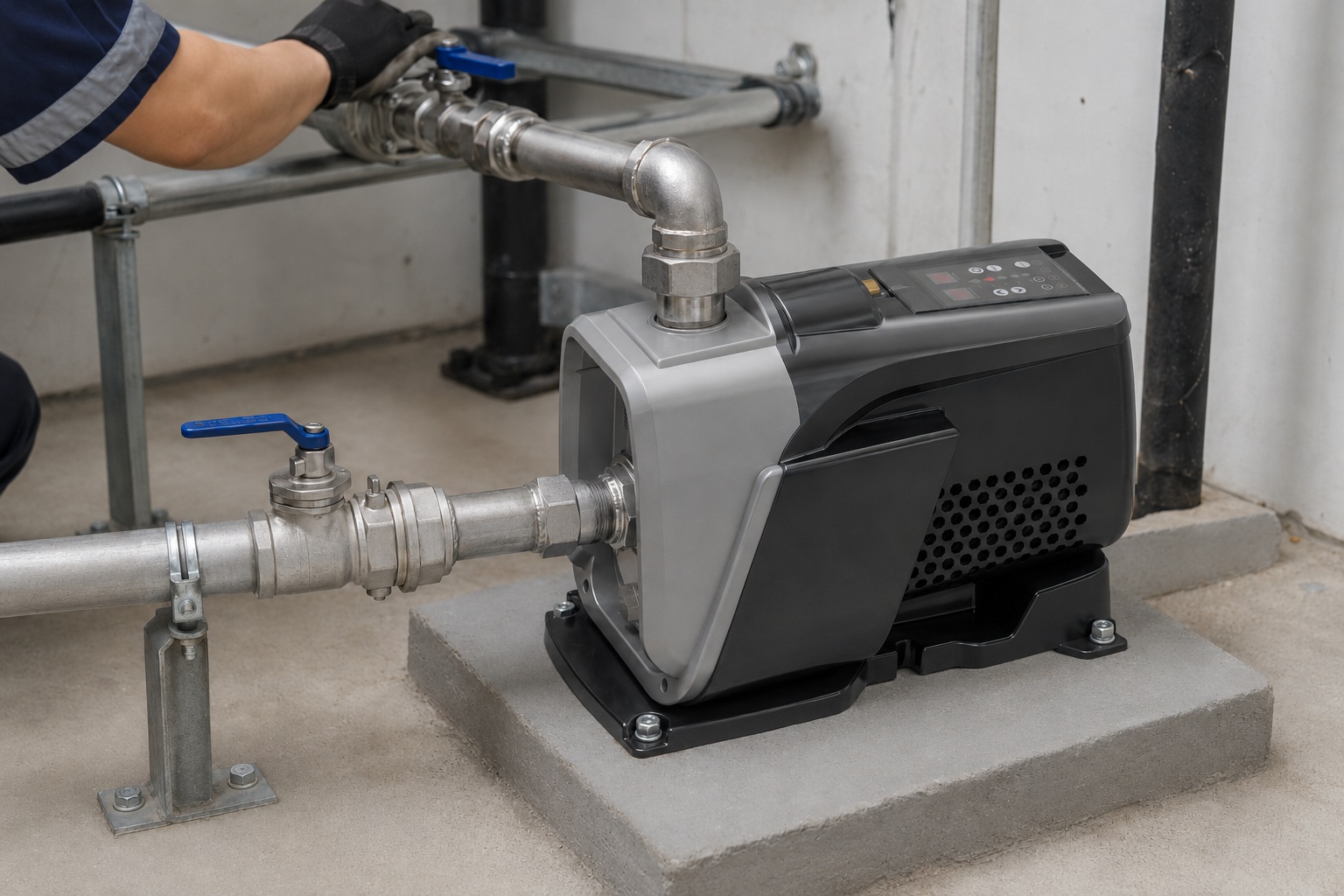
Struggling to achieve high water pressure in a compact space?
This common challenge can compromise system efficiency and performance, leading to operational bottlenecks and increased energy costs.
A vertical multistage centrifugal pump is primarily used for boosting water pressure in applications requiring high head with a relatively low flow rate.
Its design is perfect for pressure boosting in tall buildings, boiler feed systems, industrial cleaning, and reverse osmosis.
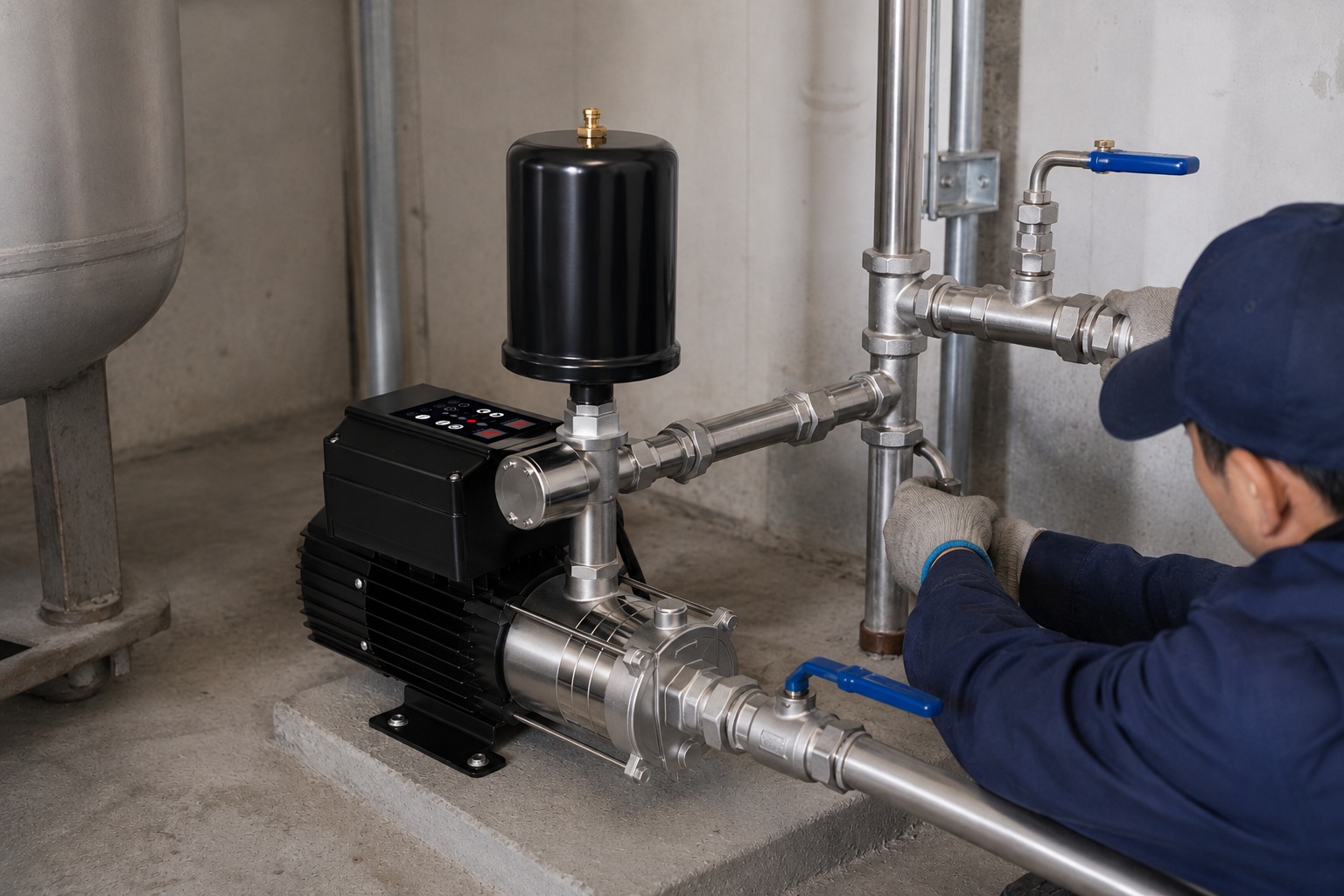
Vertical multistage pumps are the unsung heroes in countless fluid transfer systems.
Their unique design allows them to generate significant pressure without demanding a large installation footprint.
This makes them an exceptionally versatile solution for a wide range of demanding environments.
Understanding their specific applications and advantages reveals why engineers and system designers frequently choose them over other pump types.
Let’s explore the specific scenarios where these powerful and efficient pumps truly excel.
How Does a Vertical Multistage Pump Achieve High Pressure?
Need to generate high pressure but lack the space for a large, single-stage pump?
Single-impeller pumps often cannot meet high-head demands efficiently, forcing costly and bulky workarounds.
A vertical multistage pump achieves high pressure by using a series of impellers stacked on a single shaft.
Each impeller, or stage, adds pressure to the fluid, progressively increasing the total discharge head as water moves upward through the pump.
To truly grasp the capability of these pumps, we must look deeper into their mechanics.
The core concept is "staging."
Instead of relying on one large, high-speed impeller, a multistage pump divides the work among several smaller, identical impellers.
This methodical approach is not just about adding pressure; it’s about doing so efficiently and sustainably.
The design inherently balances hydraulic forces, which contributes to a longer operational life and reduced maintenance needs.
Let’s break down the components and the process.
The Staging Process Explained
Fluid enters the pump at the suction inlet, typically at the bottom.
It then flows into the first chamber, where the first impeller spins.
This impeller imparts velocity to the fluid and pushes it into a diffuser.
The diffuser is a stationary component that cleverly converts the fluid’s velocity into pressure.
From this first stage, the now slightly pressurized fluid is guided directly into the eye of the second impeller.
This process repeats through each subsequent stage.
Each stage acts as a booster for the next, compounding the pressure until the fluid exits the final stage and the discharge outlet at the top of the pump.
Key Components and Their Roles
Understanding the parts helps clarify the function.
A vertical multistage pump’s efficiency is the sum of its well-engineered components working in harmony.
| Component | Function | Impact on Performance |
|---|---|---|
| Impeller | Rotates to impart velocity to the fluid. | The design (closed, semi-open) affects efficiency and solids handling. |
| Diffuser | Converts fluid velocity into pressure. | Efficient conversion is key to minimizing energy losses between stages. |
| Shaft | Connects the motor to all impellers, transmitting torque. | Must be robust and perfectly aligned to prevent vibration and wear. |
| Mechanical Seal | Prevents leakage along the shaft. | Crucial for safety, efficiency, and preventing fluid loss. |
| Motor | Provides the power to rotate the shaft and impellers. | Sizing and efficiency (e.g., IE3/IE4) directly impact energy consumption. |
The Efficiency Advantage
The multistage approach allows these pumps to operate closer to their Best Efficiency Point (BEP) across a wider range of head requirements.
A single-stage pump trying to generate very high pressure would need a very large diameter impeller spinning at high speeds, often resulting in lower efficiency and higher NPSH (Net Positive Suction Head) requirements.
By contrast, multistage pumps achieve the same pressure with smaller impellers operating at optimal speeds.
This can lead to energy savings of 15-25% in high-head, low-flow applications compared to less suitable pump types.
Core Applications in Commercial and Industrial Sectors
Are you trying to find a single, reliable pump type for diverse high-pressure tasks?
Using different pump models for various applications increases maintenance complexity and spare parts inventory costs.
Vertical multistage pumps excel in commercial and industrial settings for pressure boosting in high-rise buildings, boiler feed water, reverse osmosis (RO) systems, industrial cleaning, and liquid circulation in HVAC systems.
The versatility of the vertical multistage pump is its greatest asset.
Its ability to deliver high-pressure water reliably and efficiently makes it a cornerstone of modern infrastructure and manufacturing.
From ensuring tap water reaches the top floor of a skyscraper to providing the force needed for industrial-scale filtration, these pumps are at the heart of critical operations.
Their robust construction allows them to handle not just cold, clean water but also moderately hot fluids, light chemicals, and glycol solutions, expanding their use cases significantly.
Let’s examine some of these primary applications in more detail.
Water Supply and Pressure Boosting
This is arguably the most common application.
In any building taller than a few stories, municipal water pressure is insufficient to serve the upper floors.
- High-Rise Buildings: A VMS pump system, often paired with a variable frequency drive (VFD), maintains constant water pressure throughout the building, regardless of demand fluctuations. This ensures a strong shower on the 50th floor is just as good as one on the ground floor.
- Municipal Water Networks: They are used as booster stations along long pipelines to compensate for pressure loss due to friction and elevation changes, ensuring consistent pressure for entire communities.
Industrial Processes
In manufacturing, precise pressure control is often non-negotiable.
VMS pumps provide the reliability and control needed for these demanding tasks.
- Boiler Feed Systems: Boilers operate under high pressure. The feed water pump must overcome this internal boiler pressure to inject a continuous supply of water. VMS pumps are ideal for this, capable of generating the required high heads (often exceeding 200 meters) to keep power plants and industrial heating systems running.
- Reverse Osmosis (RO) and Filtration: RO systems require significant pressure (typically 40-70 bar) to force water through semi-permeable membranes, separating pure water from contaminants. The steady, high-pressure output of a multistage pump is perfect for large-scale desalination and water purification plants, which can produce millions of liters of clean water daily. Over 60% of new large-scale desalination plants utilize multistage centrifugal pumps for their high-pressure feed stage.
- High-Pressure Cleaning: Industries from food processing to heavy machinery manufacturing use high-pressure water jets for cleaning and deburring. VMS pumps provide the consistent, high-pressure flow needed to power these systems effectively.
HVAC and Temperature Control
Liquid circulation is fundamental to large-scale heating, ventilation, and air conditioning (HVAC) systems.
While lower-pressure circulators are common, VMS pumps are used where high-rise circulation or significant system resistance is a factor.
They circulate hot or chilled water through the building’s climate control system, ensuring thermal comfort for occupants.
Why Choose Vertical Over Horizontal Multistage Pumps?
Need multistage performance but are severely limited by floor space?
Traditional horizontal pumps can consume valuable square footage, complicating plant layout and potentially requiring a larger building footprint.
A vertical pump is chosen over a horizontal one primarily for its small footprint, which can save up to 75% of floor space.
Its in-line design also simplifies piping layouts and makes it more suitable for certain pressure-boosting applications.
The decision between a vertical and horizontal multistage pump is a critical design choice.
It is not just about orientation; it has profound implications for installation, maintenance, and system layout.
While both pump types use the same fundamental principle of adding pressure in stages, their physical configuration makes them suited for different scenarios.
The vertical design’s advantages often make it the superior choice, especially in modern, space-conscious facilities.
Let’s dissect the key differences to understand when and why the vertical configuration wins.
The Space-Saving Advantage
The most immediate and compelling benefit is the reduced footprint.
A vertical multistage pump’s components are stacked upwards rather than spread out.
This means the pump requires a fraction of the floor space of a horizontal pump with the same hydraulic performance.
In a crowded mechanical room or a compact industrial skid, this space saving is invaluable.
It allows for more equipment to be fitted into the same area or can lead to significant cost savings through smaller building construction.
Simplified Piping and Installation
Vertical pumps typically feature an "in-line" design.
This means the suction and discharge ports are on the same axis, at or near the same level.
This allows the pump to be integrated directly into a straight run of pipe, much like a valve.
- Reduced Complexity: This eliminates the need for complex elbow joints and supports required to route piping to and from a side-ported horizontal pump.
- Lower Installation Costs: Simpler piping runs mean fewer fittings, less welding or threading, and reduced labor time, directly lowering the overall installation cost.
- Minimized Pipe Strain: The in-line configuration helps to minimize stress on the connected piping, reducing the risk of leaks or mechanical failure over time.
Maintenance and Serviceability Considerations
There is a common misconception that horizontal pumps are easier to service.
However, modern vertical pumps are designed with maintenance in mind.
Many models allow the entire "power head" (motor, pump head, and impeller stack) to be removed for service without disturbing the pump casing or the connected piping.
This cartridge-style-access can significantly speed up maintenance tasks like seal or bearing replacement.
Conversely, servicing a horizontal pump often requires disconnecting piping and potentially realigning the entire pump and motor assembly, which can be more time-consuming.
Comparative Analysis: Vertical vs. Horizontal
| Feature | Vertical Multistage Pump | Horizontal Multistage Pump | Winner & Rationale |
|---|---|---|---|
| Footprint | Very small, uses vertical space. | Large, requires significant floor area. | Vertical. Saves critical and expensive floor space. |
| Piping | In-line ports, simple integration. | Side ports, requires more complex piping. | Vertical. Reduces installation time, cost, and complexity. |
| Motor Mounting | Standard motor, easily replaced. | Often requires special mounting and alignment. | Vertical. Easier and faster to source and replace motors. |
| NPSHr | Suction at the bottom, can be more sensitive. | Suction at the side, can be better in some low-NPSHa scenarios. | Horizontal. Can have a slight edge if available suction head is very low. |
| Serviceability | Cartridge design allows for easy head removal. | May require pipe disconnection and realignment. | Vertical. For routine maintenance, the modern design is often faster. |
Key Factors for Selecting the Right Vertical Pump
Worried about choosing the wrong pump, leading to inefficiency or premature failure?
A mismatched pump can waste thousands in energy costs, suffer from constant cavitation, and fail to meet critical operational demands.
To select the right vertical pump, you must define the flow rate (GPM/m³/h) and total head (feet/meters).
You must also consider fluid characteristics (temperature, viscosity, corrosivity), and available Net Positive Suction Head (NPSHa).
Selecting a vertical multistage pump is more than just matching a flow rate and pressure on a chart.
It’s a technical process that requires a holistic view of the system in which the pump will operate.
A precise selection ensures the pump runs at or near its Best Efficiency Point (BEP), maximizing performance while minimizing energy consumption and wear.
A poor choice can lead to a cascade of problems, including high operational costs, excessive noise and vibration, and a drastically shortened service life.
Let’s break down the essential parameters you must analyze to make an informed and optimal selection.
Defining Hydraulic Requirements
This is the starting point for any pump selection.
You must have accurate data.
- Flow Rate (Q): What volume of liquid needs to be moved per unit of time? This is typically measured in gallons per minute (GPM), cubic meters per hour (m³/h), or liters per second (l/s). This is determined by the process demand, such as the number of fixtures in a building or the feed rate of an RO system.
- Total Head (H): What is the total pressure the pump must generate? This is the sum of three components:
- Static Head: The vertical height difference between the source water level and the discharge point.
- Friction Head: The pressure lost due to friction as the fluid moves through pipes, valves, and fittings. This increases with flow rate and pipe length.
- Pressure Head: Any additional pressure the pump must overcome, such as the pressure inside a boiler or a pressurized tank.
Analyzing Fluid Properties
The nature of the fluid being pumped is critically important.
Assuming it’s always cold, clean water is a common and costly mistake.
- Temperature: Higher temperatures reduce fluid viscosity but also increase its vapor pressure, affecting NPSHa. It also dictates the material selection for seals and gaskets. Standard seals are often rated to 70°C, while high-temperature applications may require special materials like Viton™ or Kalrez™.
- Viscosity: Pumping fluids more viscous than water requires more power and will de-rate the pump’s performance. The pump curve provided by the manufacturer is usually based on water; corrections must be applied for viscous liquids.
- Corrosivity & Abrasiveness: The chemical composition of the fluid determines the required materials of construction. Standard pumps use cast iron and 304 stainless steel. For corrosive fluids like seawater or acids, more exotic materials such as 316L stainless steel, Duplex, or even titanium may be necessary to prevent rapid degradation.
Ensuring System Compatibility
The pump does not operate in a vacuum.
It must be compatible with the system’s physical constraints.
- Net Positive Suction Head (NPSH): This is one of the most critical and misunderstood parameters. You must calculate the NPSH Available (NPSHa) of your system and ensure it is higher than the NPSH Required (NPSHr) of the pump (with a safety margin of at least 1-2 meters). Insufficient NPSHa leads to cavitation, which is the formation and collapse of vapor bubbles that can severely damage the impeller and reduce performance.
- Electrical Supply: Confirm the available voltage, phase (single or three-phase), and frequency (50Hz or 60Hz) to select the correct motor.
The Role of VFDs in Modern Vertical Multistage Pump Systems
Are your pump’s energy costs soaring due to constant full-speed operation?
Running a pump at 100% speed when demand is low wastes a tremendous amount of electricity and puts unnecessary stress on the system.
A Variable Frequency Drive (VFD) optimizes a vertical multistage pump’s performance by adjusting its motor speed to precisely match system demand.
This dramatically reduces energy consumption, extends pump life, and provides superior process control.
In the past, pump systems were designed for worst-case, peak-demand scenarios and ran at a fixed speed.
This is incredibly inefficient, as most systems operate at partial load for over 90% of their life.
The introduction of Variable Frequency Drives (VFDs) has completely revolutionized pump system design and operation.
Pairing a VFD with a vertical multistage pump transforms a simple mechanical device into a smart, responsive system.
This synergy unlocks significant benefits that go far beyond simple energy savings.
Let’s dive into how this powerful combination works and why it has become the new standard for efficient fluid handling.
The Principle of VFD Control
A VFD, also known as an inverter, is an electronic device that controls the speed of an AC motor by varying the frequency of the electrical supply.
Pump Affinity Laws govern the relationship between speed, flow, head, and power.
- Flow is directly proportional to speed (e.g., 50% speed ≈ 50% flow).
- Head is proportional to the square of the speed (e.g., 50% speed ≈ 25% head).
- Power is proportional to the cube of the speed (e.g., 50% speed ≈ 12.5% power).
This "cube law" is the key.
A small reduction in speed leads to a massive reduction in power consumption.
By running the pump at 80% speed, you can reduce energy use by nearly 50%.
Major Benefits of VFD Integration
The advantages of adding a VFD extend throughout the entire system’s lifecycle.
- Massive Energy Savings: This is the primary driver for VFD adoption. In pressure boosting systems where demand fluctuates, a VFD can reduce energy consumption by 30-60% compared to a fixed-speed system. The payback period for a VFD investment is often less than two years.
- Extended Equipment Life: VFDs provide a "soft start" and "soft stop" for the motor. This gradual ramping up and down of speed eliminates the immense mechanical shock and electrical inrush current of a direct-on-line start. This reduces stress on the motor, pump bearings, seals, couplings, and even the piping system, leading to a longer service life and fewer breakdowns.
- Precise Process Control: In applications like a booster system, a pressure transducer provides real-time feedback to the VFD. The VFD’s internal PID controller then automatically adjusts the pump speed to maintain a constant, precise discharge pressure, regardless of how many taps are opened or closed. This eliminates the pressure fluctuations common with fixed-speed, on/off systems.
- Reduced Water Hammer: By eliminating the sudden start/stop of the pump, a VFD can significantly mitigate or even eliminate hydraulic shock, also known as water hammer. This protects pipes, valves, and joints from damaging pressure surges.
When is a VFD Essential?
While beneficial in most cases, a VFD is practically mandatory in certain applications for achieving optimal performance and efficiency.
| Application | Why a VFD is Critical | Potential Energy Savings |
|---|---|---|
| Building Pressure Boosting | Demand varies dramatically throughout the day. | 40-70% |
| Industrial Process Loops | Need to maintain precise pressure or flow for quality control. | 20-50% |
| RO Feed Water | Allows for fine-tuning of feed pressure to optimize membrane performance. | 15-30% |
| Irrigation Systems | Flow demand changes based on the number of zones operating. | 30-60% |
Conclusion
A vertical multistage pump is an efficient, space-saving solution.
It excels at delivering high-pressure fluids for boosting, industrial processes, and filtration, making it a versatile and indispensable tool.
FAQs
What is the difference between a single stage and a multistage pump?
A single stage pump has one impeller and is for low-pressure applications. A multistage pump has multiple impellers in series to generate much higher pressures.
Can vertical multistage pumps run dry?
No, running a vertical multistage pump dry will quickly damage the mechanical seal and internal components due to lack of lubrication and cooling.
What is the maximum pressure a multistage pump can generate?
High-performance vertical multistage pumps can generate very high pressures, often exceeding 40 bar (580 PSI), making them suitable for demanding applications like reverse osmosis.
How do you prime a vertical multistage pump?
Most vertical multistage pumps are not self-priming. You must prime them by filling the pump casing and suction line with fluid before the initial start-up.
What maintenance does a vertical multistage pump require?
Routine maintenance includes monitoring for leaks, checking for unusual noise or vibration, and periodically inspecting the mechanical seal. Bearing lubrication may be required on larger models.
Can these pumps handle hot water?
Yes, but you must select a pump with the appropriate high-temperature seals and gaskets. Standard seals are often limited to around 70°C (158°F).
What does "in-line" pump mean?
An "in-line" pump has its suction and discharge connections in a straight line. This allows it to be installed directly into a section of pipe, simplifying the layout.
Are vertical pumps noisier than horizontal pumps?
When properly installed and operating at their best efficiency point, vertical pumps are not inherently noisier. Noise is usually a sign of cavitation, misalignment, or bearing wear.