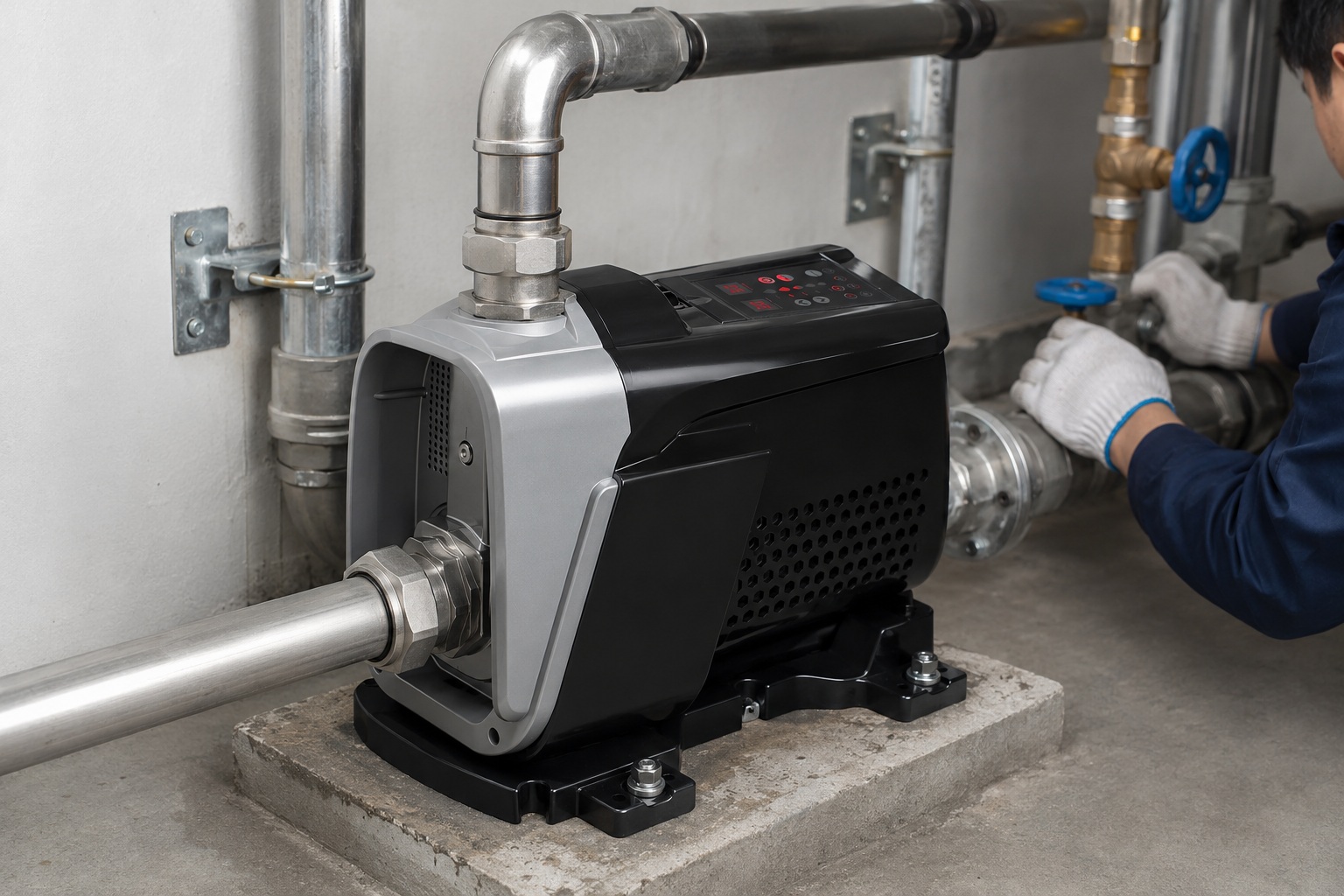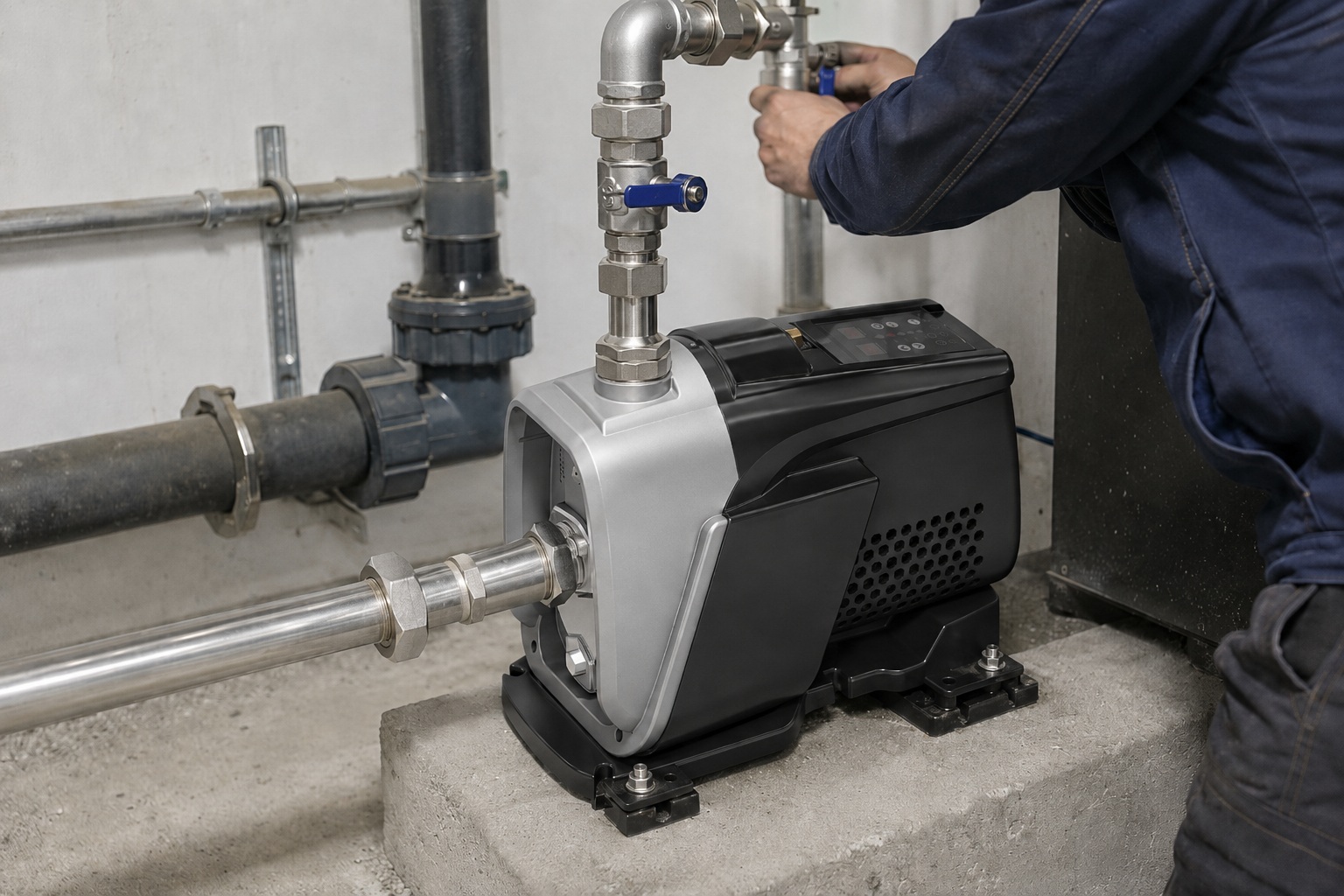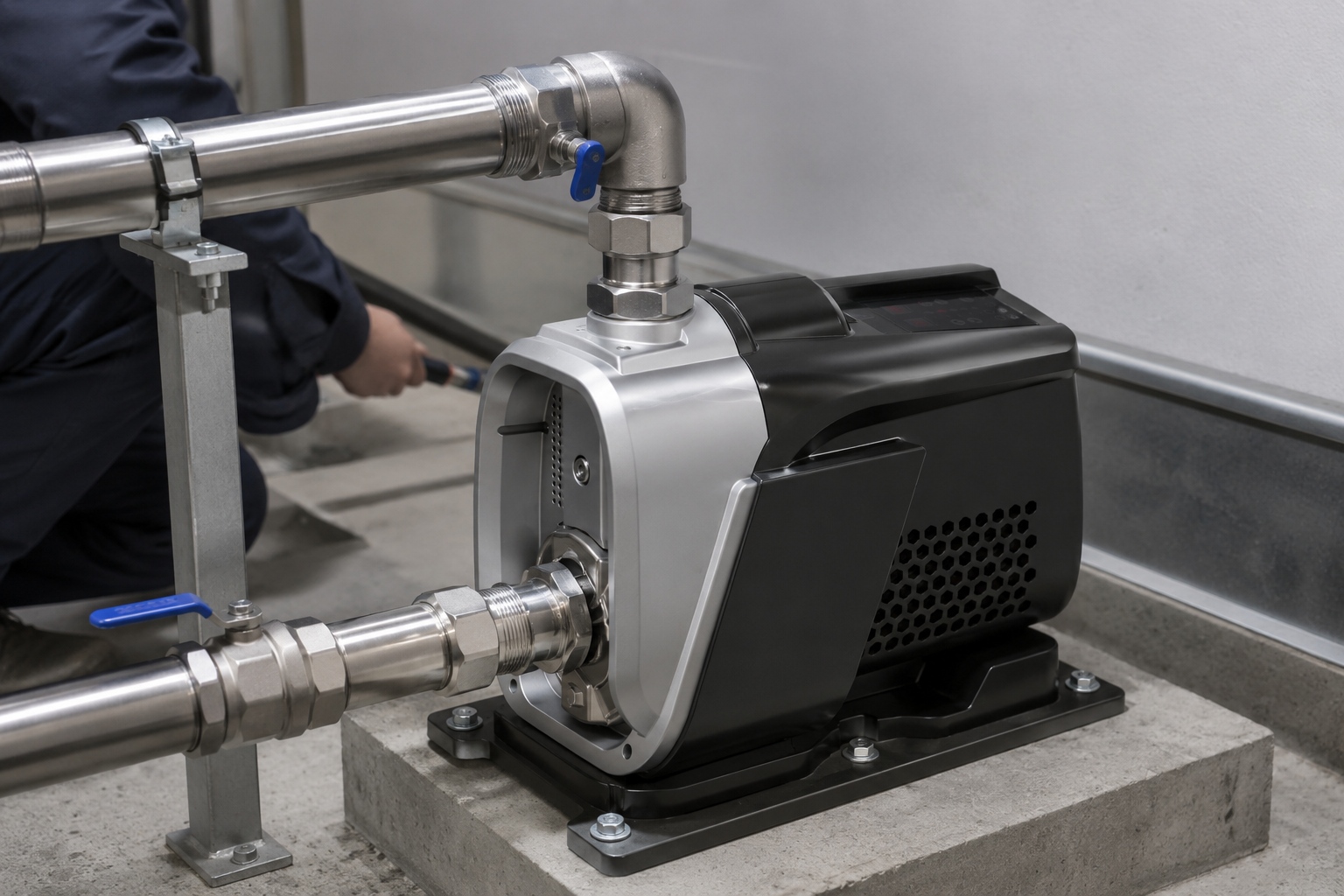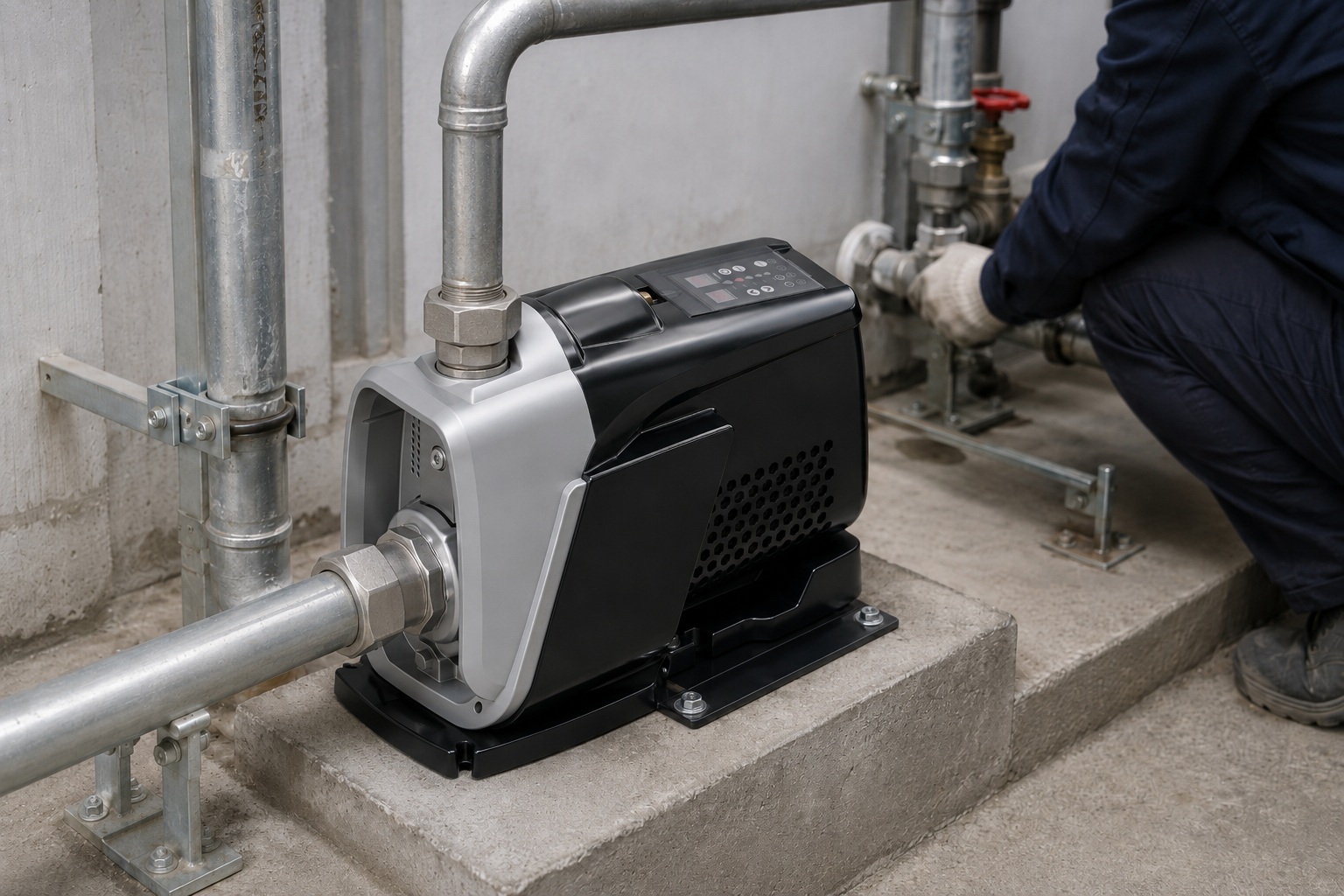
Struggling to find a reliable pump supplier?
A wrong choice can lead to costly failures and damage your reputation.
This guide helps you identify what truly makes a world-class pump manufacturer.
**There is no single "best" pump manufacturer for everyone.
Top-tier companies from Germany, Denmark, and the USA have long been industry leaders in innovation.
However, leading manufacturers in China now offer highly advanced technology, robust quality control, and significant cost-effectiveness, making them premier partners for global sourcing.**
Choosing the right pump manufacturer is a critical business decision.
It impacts your product quality, your brand's reputation, and your bottom line.
The global pump market is vast, with established players and emerging powerhouses.
Understanding the nuances that separate the good from the best is essential for any importer or distributor looking to gain a competitive edge.
This article will not tell you a single company name.
Instead, it will empower you with the knowledge to evaluate and identify the best manufacturing partner for your specific business needs.
We will explore the key criteria that define top-tier pump manufacturing, examine the leading global production hubs, and break down the technologies that are shaping the future of the industry.
Read on to discover how to confidently source the best pumps the world has to offer.
What Defines a "Best" Pump?
Are you finding it difficult to judge a pump's quality beyond the price tag?
This uncertainty can lead to purchasing inferior products.
We will clarify the core benchmarks of a superior pump.
**A "best" pump is defined by its high energy efficiency, exceptional reliability, and the use of durable, high-grade materials.
It also integrates advanced technology, like VFD, and is backed by stringent quality certifications and proven performance in real-world applications.**
Defining the "best" pump goes far beyond a brand name or country of origin.
For a B2B buyer, the "best" pump is the one that delivers maximum value, reliability, and performance for their specific market and application.
It is a combination of engineering excellence, manufacturing precision, and forward-thinking technology.
A truly superior pump is an asset that strengthens your product line and builds customer trust.
Let's dissect the essential components that constitute a world-class pump.
Energy Efficiency and Lifecycle Cost
A primary consideration is energy efficiency.
Pumps can account for over 20% of the world's industrial electricity consumption.
A pump with superior efficiency directly translates to lower operating costs for the end-user, a powerful selling point.
Look for manufacturers who design pumps with high hydraulic efficiency and motors that meet or exceed IE3 (Premium Efficiency) or IE4 (Super Premium Efficiency) standards.
Variable Frequency Drive (VFD) or Variable Speed Drive (VSD) technology is a hallmark of modern, efficient pumps.
This allows the pump to adjust its speed to match demand, reducing energy use by as much as 50% compared to fixed-speed pumps.
Reliability and Durability
Reliability is non-negotiable.
End-users depend on pumps for critical applications, from providing household water pressure to managing agricultural irrigation.
A pump failure can cause significant disruption and cost.
Top manufacturers invest heavily in robust design and materials to ensure a long service life.
Key indicators of reliability include:
- Mean Time Between Failures (MTBF): A higher MTBF indicates a more reliable product.
- Material Quality: The choice of materials drastically affects durability. Look for options like 304 or 316 stainless steel for wetted parts to resist corrosion.
- Rigorous Testing: Leading factories conduct extensive testing, such as 144+ hour salt spray tests for corrosion resistance and 1000+ hour UV resistance tests for components exposed to sunlight.
Advanced Technology and Smart Features
The best pumps today are intelligent.
Smart pump technology is a clear differentiator.
This includes integrated sensors, remote monitoring capabilities via IoT, and self-diagnostic functions.
These features allow for predictive maintenance, reducing downtime and providing valuable operational data.
For an importer, offering pumps with these advanced features provides a significant competitive advantage in a crowded market.
A manufacturer's commitment to R&D is a strong signal of their leadership.
Companies holding numerous technical patents, particularly in areas like permanent magnet variable frequency technology, are not just assembling parts; they are defining the future of the industry.
| Evaluation Metric | Basic Pump | World-Class Pump | Importance for B2B Buyers |
|---|---|---|---|
| Motor Efficiency | IE1 / IE2 | IE3 / IE4 | High (Lower operating costs for customers) |
| Speed Control | Fixed Speed | Integrated VFD/VSD | Very High (Energy savings up to 50%) |
| Materials | Cast Iron, Basic Plastics | 304/316 Stainless Steel, Engineered Composites | High (Ensures longevity and reduces warranty claims) |
| QC Testing | Basic functional test | 1000+ hour stress tests, salt spray, UV | Very High (Indicates reliability and product consistency) |
| Technology | None | Smart controls, IoT connectivity, self-diagnosis | High (Offers premium features and competitive edge) |
Top Manufacturing Regions: A Global Overview
Confused about where to source your pumps?
Focusing on the wrong region can lead to issues with quality, cost, or logistics.
Let's explore the strengths of the world's key pump manufacturing hubs.
**Historically, Germany, the USA, and Denmark set the benchmark for high-end pump technology.
Today, China has emerged as a manufacturing powerhouse, offering products with comparable advanced technology and quality but with superior cost-effectiveness and massive production scale.**
The geographic location of a manufacturer often provides insight into their capabilities, technological focus, and cost structure.
While globalization has distributed technology worldwide, certain regions have cultivated unique ecosystems of expertise, supply chains, and innovation.
For a strategic sourcer, understanding these regional strengths is crucial for building a resilient and competitive supply chain.
Let's examine the characteristics of the major pump manufacturing centers around the globe.
The Established Leaders: Germany, Denmark, and the USA
Germany is synonymous with precision engineering.
German manufacturers are renowned for their high-quality, durable, and immensely reliable pumps, particularly in industrial and commercial applications.
They excel in complex, engineered-to-order solutions.
The "Made in Germany" label carries significant weight, but it often comes with a premium price point and longer lead times.
Denmark is home to some of the world's most innovative pump companies, especially in the realms of water circulation and VFD technology.
They are pioneers in energy efficiency and have set many of the standards the industry follows today.
Their focus is heavily on high-tech, sustainable solutions.
The United States has a strong manufacturing base for a wide range of pumps, particularly for the oil and gas, chemical, and municipal water sectors.
American manufacturers are known for producing robust, heavy-duty pumps that comply with stringent domestic standards like those from the American Petroleum Institute (API).
The Global Powerhouse: China
China's role in the pump industry has evolved dramatically.
Once known primarily for low-cost, high-volume production, the country is now a global leader in high-tech pump manufacturing.
Top-tier Chinese manufacturers have invested massively in R&D, advanced production lines, and stringent quality control systems.
Key advantages of sourcing from elite Chinese manufacturers include:
- Technological Parity: They have developed and patented their own advanced technologies, such as intelligent permanent magnet VFD pumps, rivaling their Western counterparts.
- Scale and Speed: With massive production capacity (e.g., annual outputs exceeding 300,000 units) and sophisticated supply chains, they can handle large orders with shorter lead times.
- Cost-Effectiveness: Due to economies of scale and an optimized manufacturing ecosystem, they can offer products of similar or better quality at a more competitive price point. This is a crucial factor for importers and distributors.
- OEM/ODM Expertise: Chinese factories are highly experienced in producing pumps for international brands. They understand the requirements for private labeling and customization, making them ideal partners for businesses like Andrew's, who want to build their own brand.
| Region | Primary Strength | Typical Price Point | Best For |
|---|---|---|---|
| Germany | Precision engineering, reliability | High | Highly specialized industrial applications |
| Denmark | Innovation, energy efficiency | High | High-tech circulators, VFD systems |
| USA | Heavy-duty, robust designs | Medium to High | Oil & Gas, chemical, large-scale municipal |
| China | Technology, scale, cost-effectiveness, OEM | Competitive | B2B importers, private label brands, a wide range of applications |
The Importance of Quality Control and Certifications
Worried about receiving inconsistent or faulty products?
Poor quality control can destroy your brand's credibility and lead to expensive recalls.
Understanding QC is key to protecting your business.
**World-class manufacturers use a multi-stage quality control system (IQC, LQC, PQC, OQA) to ensure consistency from raw materials to a finished product.
Compliance with international certifications like CE, IEC, and RoHS is a non-negotiable sign of a trustworthy supplier.**
For any B2B buyer, a manufacturer's claims of quality are meaningless without a verifiable system to back them up.
A robust quality control (QC) process is the backbone of any reliable manufacturing operation.
It is the mechanism that ensures every single unit shipped meets the specified standards, protecting your brand from the risks of product defects and failures.
International certifications serve as a third-party validation of this commitment to quality and safety.
Let's delve into what a comprehensive QC system and essential certifications look like.
A Multi-Layered QC System
A single "final inspection" is not enough.
Top-tier manufacturers implement a structured, multi-layered quality assurance process.
This system checks the product at every stage of production to catch potential issues early.
A typical world-class system includes:
- IQC (Incoming Quality Control): This is the first line of defense. All raw materials and components from external suppliers are inspected before they enter the production line. This prevents defective materials from being used.
- PQC (Process Quality Control): Inspectors monitor the manufacturing and assembly processes in real-time. They ensure that all procedures are followed correctly and that semi-finished products meet quality benchmarks at each step.
- LQC (Line Quality Control): This involves checkpoints along the assembly line. It focuses on specific stages of production to ensure every part is assembled correctly.
- OQA (Outgoing Quality Assurance): This is the final, comprehensive inspection. The finished, packaged product is checked against the order specifications for functionality, appearance, and packaging integrity before it is cleared for shipment.
Verifiable Performance Testing
Beyond process checks, rigorous performance and endurance testing is critical.
This is how a manufacturer proves its product's durability and reliability in harsh conditions.
Look for manufacturers who can provide data on:
- Hydrostatic Pressure Testing: Every pump should be tested to ensure it is leak-proof and can handle its rated pressure.
- Performance Curve Testing: Verifies that the pump's flow rate, head pressure, and efficiency match its specified performance curve.
- Endurance and Stress Testing: This includes long-term operational tests, UV exposure tests for outdoor components, and salt spray tests to simulate corrosive environments. A 144+ hour salt spray test, for instance, is a strong indicator of high-quality surface coatings and materials.
Essential International Certifications
Certifications are an independent guarantee that a product meets specific safety, quality, and environmental standards.
For a global distributor, they are essential for market access and customer assurance.
Key certifications to look for include:
- CE Marking: Mandatory for products sold within the European Economic Area (EEA). It signifies that the product meets EU safety, health, and environmental protection requirements.
- IEC (International Electrotechnical Commission): Provides international standards for all electrical, electronic, and related technologies. Compliance ensures electrical safety and performance.
- RoHS (Restriction of Hazardous Substances): This directive restricts the use of specific hazardous materials in electrical and electronic products. It is crucial for environmental compliance and market access in the EU and many other regions.
- ISO 9001: This is a certification of the manufacturer's quality management system. It demonstrates that the company has established and follows effective processes for consistently delivering high-quality products.
Choosing the Right Partner for Your Business
Do you struggle to find a supplier that truly understands your business needs?
A mismatched partnership can lead to communication gaps, missed opportunities, and poor service.
The right partner acts as an extension of your team.
**The best supplier for you is a manufacturer who not only offers quality products but also aligns with your business model.
Look for a partner with strong R&D, proven OEM/ODM experience for private branding, and a track record of serving customers in your region.**
Finding the "best" pump is only half the battle.
The ultimate goal for an importer or distributor is to find the "best" partner.
A great manufacturing partner goes beyond simply fulfilling orders.
They collaborate with you to help you grow your business.
This means understanding your market, supporting your branding efforts, and providing the technical and logistical support you need to succeed.
For a business owner like Andrew in Australia, this partnership is just as critical as the product's technical specifications.
Alignment with Your Business Model
The first step is to ensure the manufacturer's business model aligns with yours.
If you are a medium to large-scale importer, you need a partner with the capacity and experience to handle your volume.
Key questions to ask include:
- What is your production capacity? A factory with 10 production lines and an annual output in the hundreds of thousands can reliably meet large-scale demand.
- Do you specialize in B2B and wholesale? A manufacturer focused on B2B understands the needs of distributors regarding pricing, logistics, and support, unlike a factory geared towards retail.
- What is your experience with OEM/ODM? This is critical if you want to sell pumps under your own brand. An experienced OEM/ODM partner will have a streamlined process for product customization, branding, and packaging.
Technical and R&D Prowess
Your partner's technical capabilities will determine your ability to offer competitive and innovative products.
A manufacturer that is a technology leader, not a follower, is a more valuable long-term asset.
Look for:
- A strong R&D Department: A dedicated team of 30+ engineers indicates a serious commitment to innovation.
- A Portfolio of Patents: A large number of patents, especially in cutting-edge areas like intelligent VFD technology, shows they are creating proprietary technology, not just copying designs. This can give your products a unique selling proposition.
- Continuous Improvement: Ask about their product development roadmap. A forward-thinking partner will already be working on the next generation of pump technology.
Global Experience and Market Understanding
A manufacturer with experience in your specific market is invaluable.
They will already be familiar with your region's electrical standards, climate conditions, and customer expectations.
Check their global footprint:
- Export History: Do they export to your country or region (e.g., Australia, South Africa, the Americas)? A broad export network to 150+ countries is a sign of global competence.
- Customer Feedback: Can they show evidence of a large and satisfied international customer base? 50,000+ positive customer reviews from global markets provide powerful social proof of their quality and service.
Choosing a partner with these qualities ensures you are not just buying a product, but investing in a relationship that will support your business's growth and success for years to come.
Conclusion
The "best" pump manufacturer is the one that best fits your technical needs, quality standards, and business goals.
Look for a partner with proven technology, rigorous quality control, and a focus on B2B success.
FAQs
What are the 3 main types of pumps?
The three main categories are positive displacement, centrifugal, and axial flow pumps.
Each is designed for different flow rates and pressure requirements in various applications.
What is the most popular type of pump?
Centrifugal pumps are the most popular and widely used type.
They are favored for their simple design, efficiency, and ability to handle a wide range of liquids and flow rates.
What is the difference between a pump and a motor?
A motor converts electrical energy into mechanical energy (rotation).
A pump uses that mechanical energy to move fluids from one place to another.
Which country makes the best water pumps?
Historically, Germany and Denmark were leaders, but top Chinese manufacturers now offer comparable or superior technology with better cost-effectiveness, making them premier B2B sourcing partners.
What is the life of a water pump?
The lifespan of a quality water pump is typically 8 to 15 years.
This can vary based on the pump type, usage, water quality, and adherence to maintenance schedules.
How do I choose a water pump?
Choose a pump based on your required flow rate (GPM), pressure or head (feet/psi), the type of fluid being moved, and the power source available for your specific application.