Struggling to choose the right pump for your needs?
A poor choice can lead to inefficiency, high energy bills, and premature failure.
This guide makes selecting the perfect pump simple.
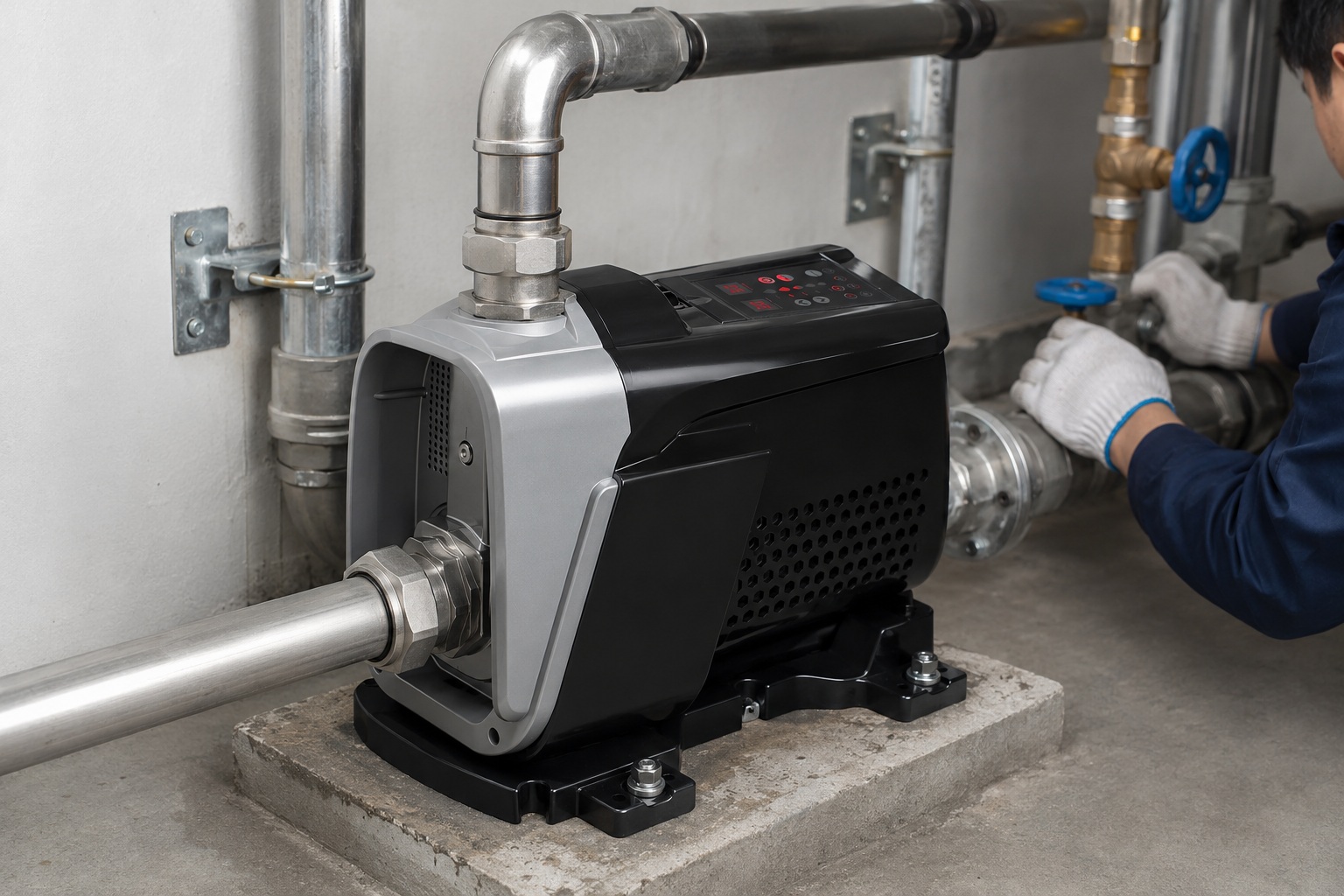
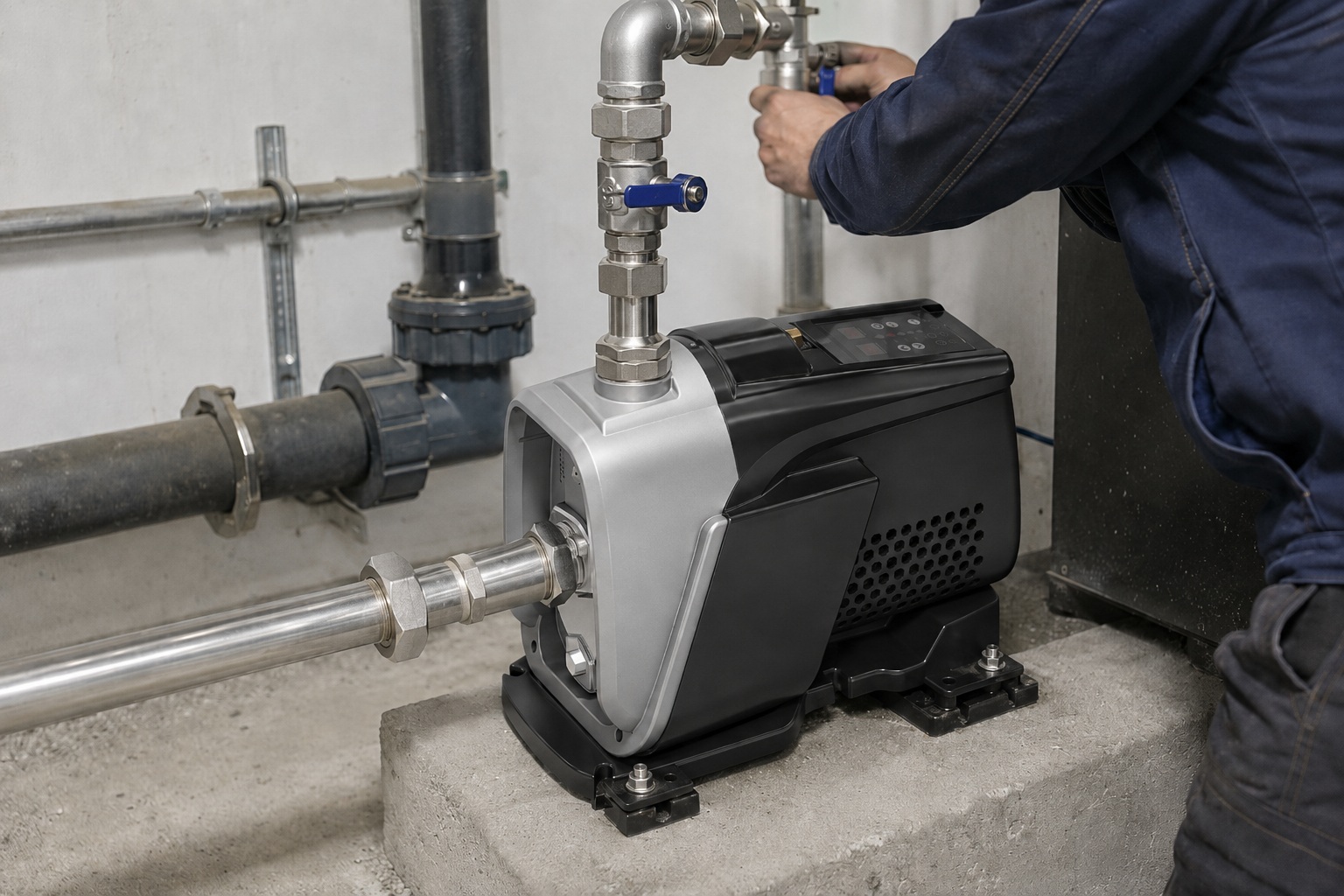
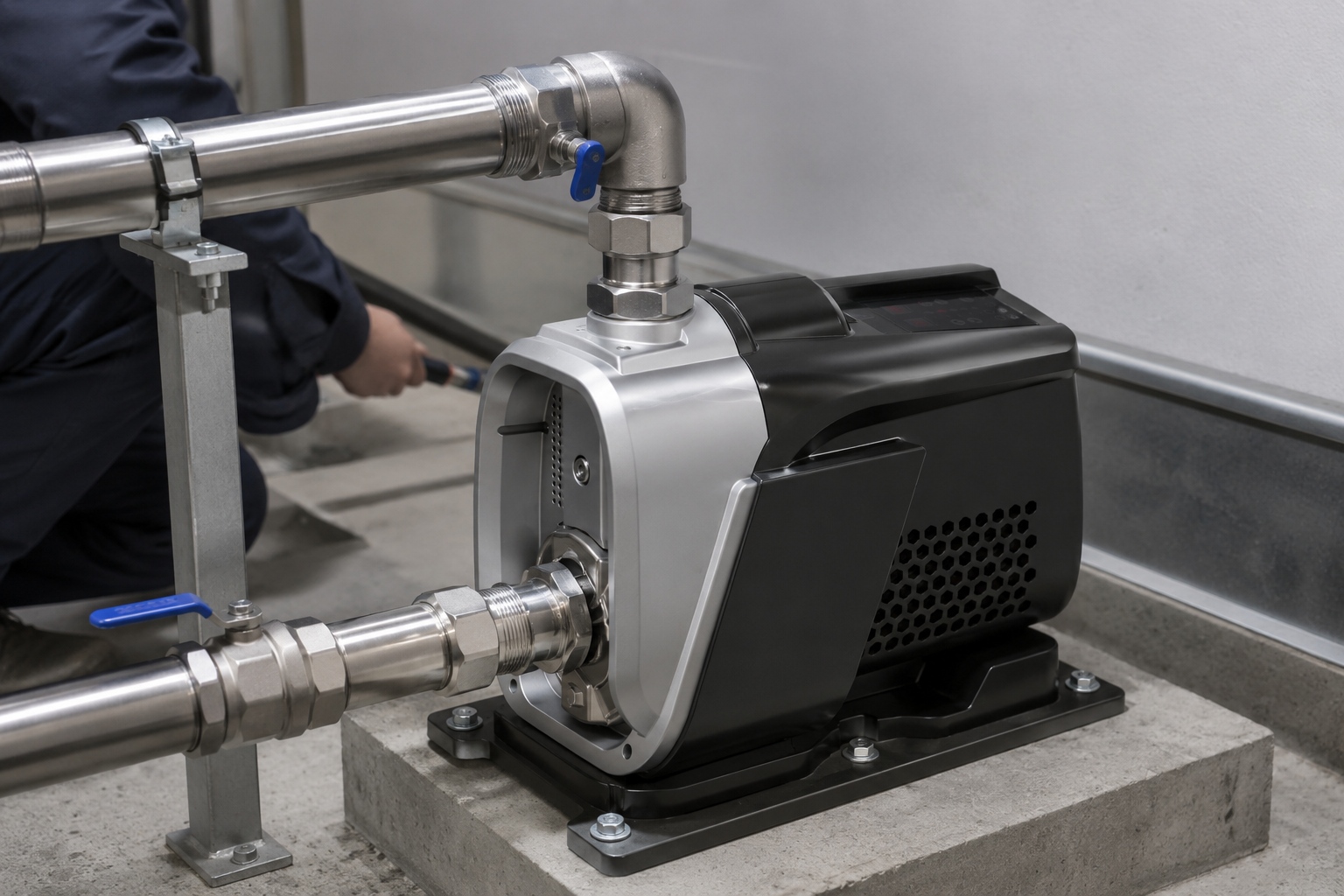
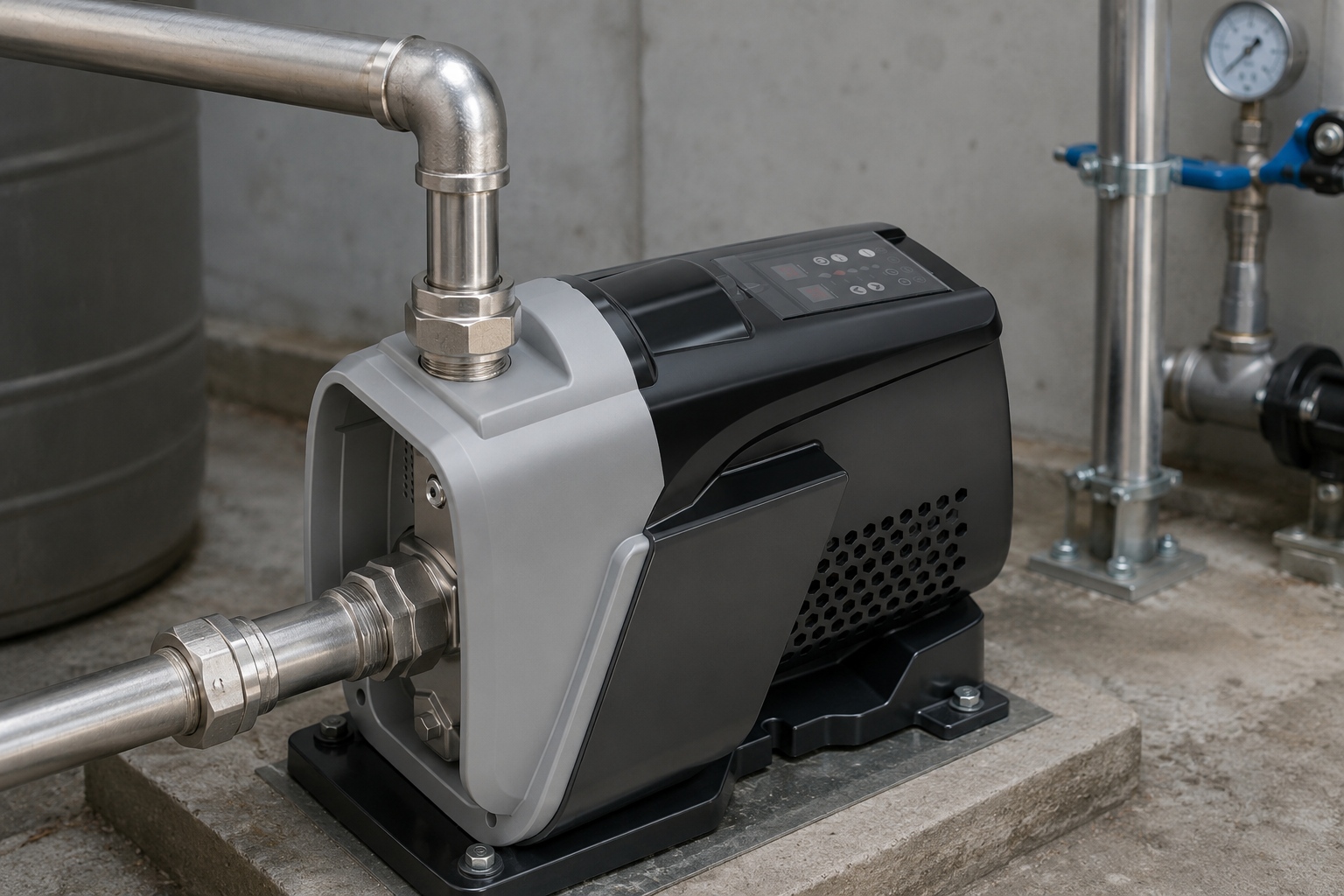
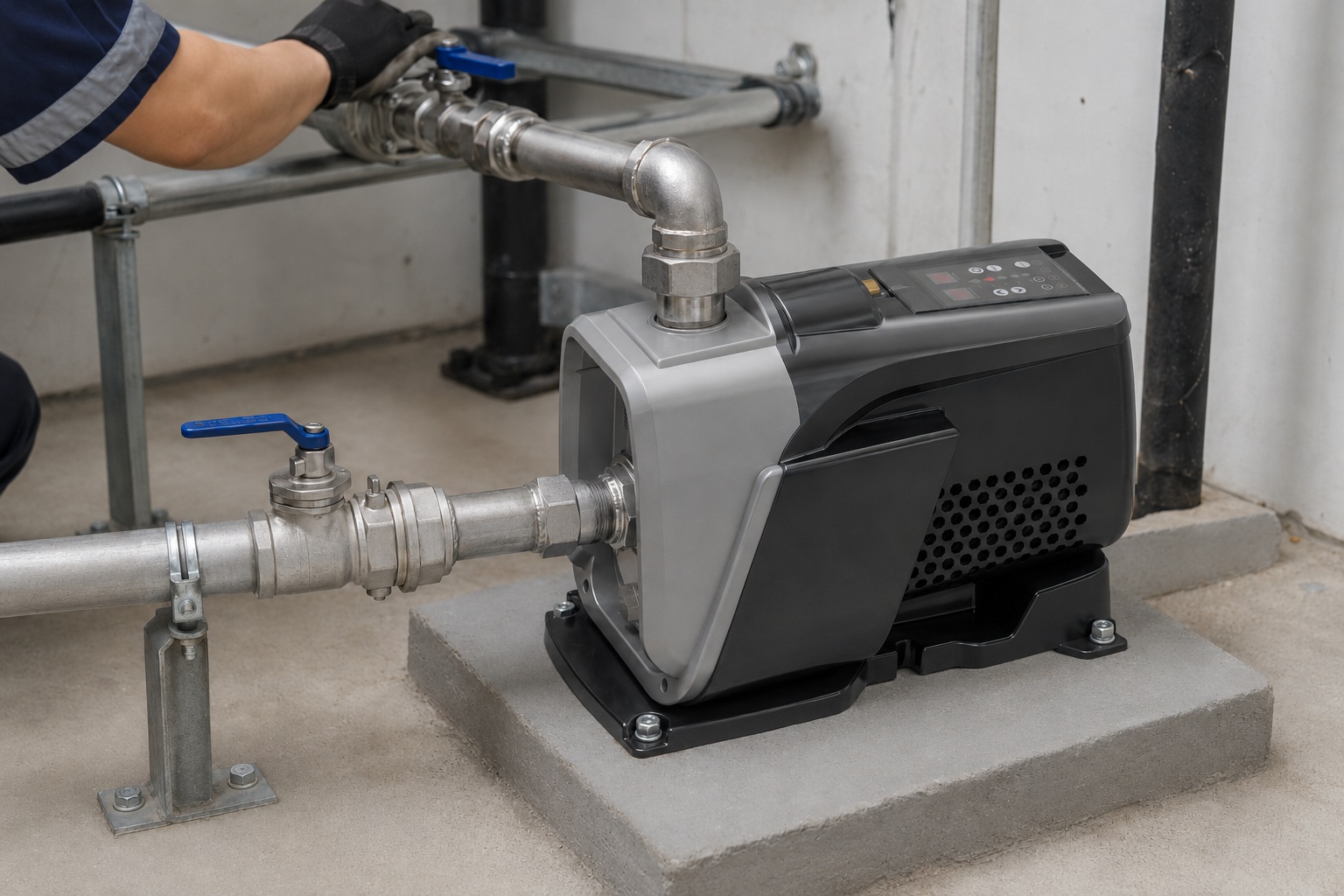
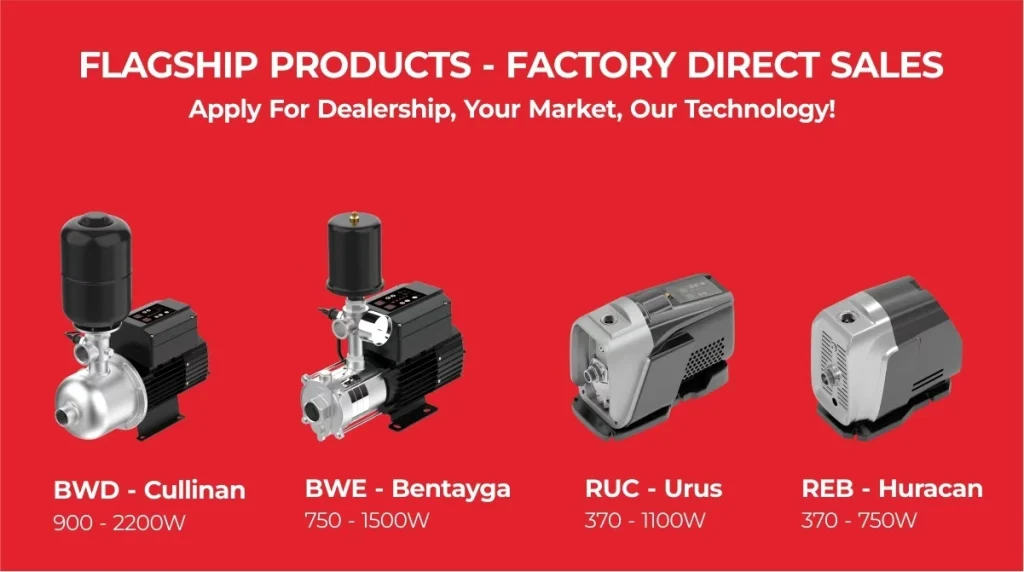
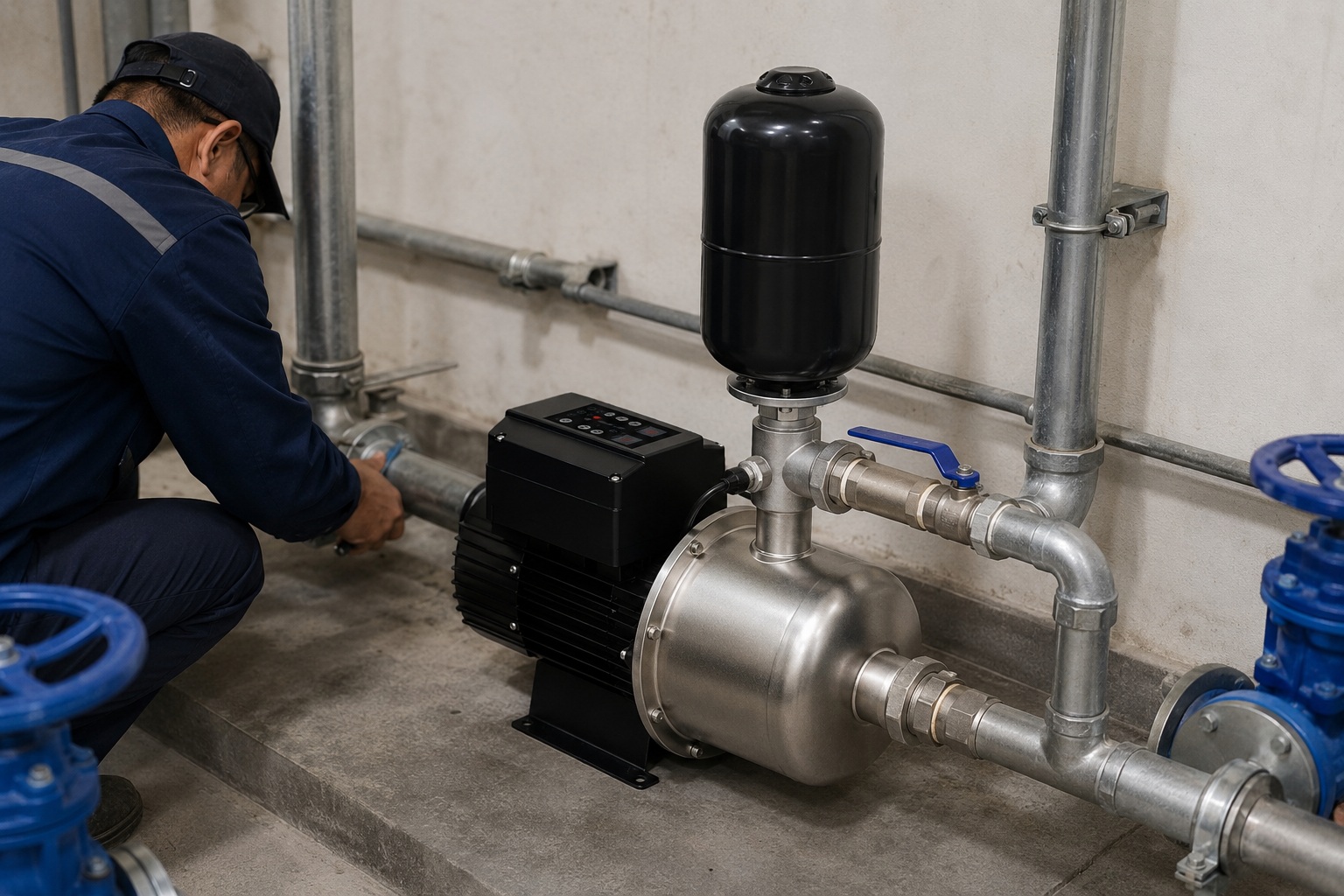
The "best" pump is the one designed for your specific task. Factors like water source, required pressure (head), and flow rate are critical. For stable home pressure, a variable speed drive (VSD) pump is excellent. For deep wells, a submersible pump is necessary. Each type excels in its niche.
Choosing a pump can feel overwhelming with so many options available.
However, understanding the core purpose of each pump type transforms this complex choice into a simple matching game.
You just need to match the pump’s strengths to your specific requirements.
This article will break down the most common pump types, their ideal uses, and the key factors you need to consider.
We will help you move from confusion to clarity, ensuring you find the pump that works best for you.
Let’s dive into the details to find your perfect pump solution.
Understanding Dynamic Pumps (Centrifugal Pumps)
Choosing the wrong pump type can cause operational headaches.
You might face inadequate water flow or pressure issues daily.
Let’s explore dynamic pumps to see if they fit your needs.
Dynamic pumps, primarily centrifugal pumps, use a spinning impeller to increase fluid velocity and pressure. They are best for transferring large volumes of low-viscosity fluids like water at low to moderate pressures. Their simple design makes them reliable, cost-effective, and easy to maintain for many applications.
Dynamic pumps are a cornerstone of fluid transfer technology.
Their operation is based on a simple yet effective principle.
Fluid enters the pump near the center of a spinning component called an impeller.
The impeller’s vanes catch the fluid and spin it outwards at high speed.
This acceleration significantly increases the fluid’s kinetic energy.
As the fluid exits the impeller, it enters a volute casing.
The volute is a specially shaped chamber that widens towards the pump’s outlet.
This widening forces the high-velocity fluid to slow down.
According to Bernoulli’s principle, this decrease in speed converts the kinetic energy into high-pressure energy.
This makes them highly efficient for moving large volumes of water.
Key Types of Centrifugal Pumps
There are several variations of centrifugal pumps, each tailored for specific tasks.
- Standard Centrifugal Pumps: These are the workhorses used in countless residential, commercial, and industrial water supply systems.
- Submersible Pumps: These are sealed, waterproof units designed to be fully submerged in the fluid they are pumping, common in deep wells and sumps.
- Multistage Pumps: These pumps contain multiple impellers in series to generate progressively higher pressures, ideal for applications requiring high head.
Performance and Efficiency
The performance of a centrifugal pump is shown on a pump curve chart.
This chart graphs the relationship between flow rate (capacity) and pressure (head).
A key metric is the Best Efficiency Point (BEP).
Operating a pump at its BEP ensures maximum energy efficiency, which can lead to significant cost savings of 20-30% on electricity.
It also minimizes wear and tear on components like bearings and seals, extending the pump’s lifespan.
Advanced models now integrate intelligent controls.
Intelligent pump controllers can automatically adjust speed to meet demand.
This ensures the pump consistently operates near its BEP, maximizing efficiency under varying conditions.
| Feature | Description | Ideal Use Case |
|---|---|---|
| Simple Design | Fewer moving parts, reducing maintenance needs. | General water transfer, irrigation. |
| High Flow Rate | Excellent for moving large volumes of fluid quickly. | Municipal water supply, flood control. |
| Scalability | Available in a vast range of sizes and capacities. | From small home boosters to large industrial systems. |
| Cost-Effective | Lower initial purchase and maintenance costs. | Budget-conscious projects, standard applications. |
Understanding Positive Displacement Pumps
Need to pump thick fluids or achieve very high pressures?
Using a centrifugal pump for this can cause damage or simply not work.
Positive Displacement pumps are the solution for these demanding jobs.
Positive Displacement (PD) pumps work by trapping a fixed amount of fluid and forcing it into the discharge pipe. This mechanism makes them ideal for handling high-viscosity fluids, applications requiring precise flow, or generating very high pressures, often exceeding what centrifugal pumps can achieve.
Positive Displacement (PD) pumps operate on a fundamentally different principle than dynamic pumps.
Instead of imparting velocity, they move fluid by trapping a fixed volume.
This trapped volume is then physically forced into the discharge pipe.
The cyclical action of trapping and discharging results in a constant flow rate at a given speed.
This is regardless of the discharge pressure, making them highly predictable and controllable.
This characteristic is essential for dosing and metering applications where precision is paramount.
For instance, they are used in chemical injection systems where exact quantities, sometimes as low as a few milliliters per hour, must be delivered reliably.
PD pumps excel with fluids that are challenging for centrifugal pumps.
Pumping Viscous and Shear-Sensitive Fluids
High-viscosity fluids like oils, slurries, and syrups create high friction losses.
Centrifugal pumps struggle to overcome this resistance efficiently.
PD pumps, however, handle these thick fluids with ease.
Their mechanical action is not significantly affected by viscosity.
Some fluids are also shear-sensitive, meaning their structure can be damaged by the high-speed impeller of a centrifugal pump.
PD pumps typically operate at lower speeds, preserving the integrity of products like food items, polymers, and biological solutions.
Key Types of PD Pumps
The PD pump family is diverse, with two main categories:
- Reciprocating Pumps: These use a piston, plunger, or diaphragm that moves back and forth to displace fluid. Piston pumps are classic examples and can generate exceptionally high pressures, making them suitable for high-pressure cleaning and hydraulic systems.
- Rotary Pumps: These use rotating gears, lobes, screws, or vanes to move fluid. Gear pumps are common for pumping oil, while screw pumps can handle thick sludges and multiphase fluids.
| Pump Type | Mechanism | Common Applications | Advantages |
|---|---|---|---|
| Piston Pump | A reciprocating piston creates suction and discharge strokes. | High-pressure cleaning, oil and gas extraction. | Very high pressure, durable. |
| Diaphragm Pump | A flexible diaphragm moves back and forth, driven by air or mechanics. | Chemical dosing, fluid transfer with solids. | Can run dry, handles abrasives. |
| Gear Pump | Meshing gears trap and move fluid around their outer perimeter. | Hydraulic systems, pumping fuel and lubricating oils. | Simple, compact, precise flow. |
| Screw Pump | Intermeshing screws rotate to move fluid axially. | Sludge transfer, oil pipelines, food processing. | Handles high viscosity, low pulsation. |
Modern PD pumps often come with advanced control features.
Variable frequency drives (VFDs) can be paired with them to precisely control the flow rate by adjusting the motor speed.
This combination provides an energy-efficient solution, with potential energy reductions of over 40% compared to fixed-speed systems with bypass lines.
Exploring Special-Purpose Pumps
What if your project has a unique power source or location?
Standard electric pumps might not be an option off-grid or in a basement.
Special-purpose pumps are designed for exactly these unique challenges.
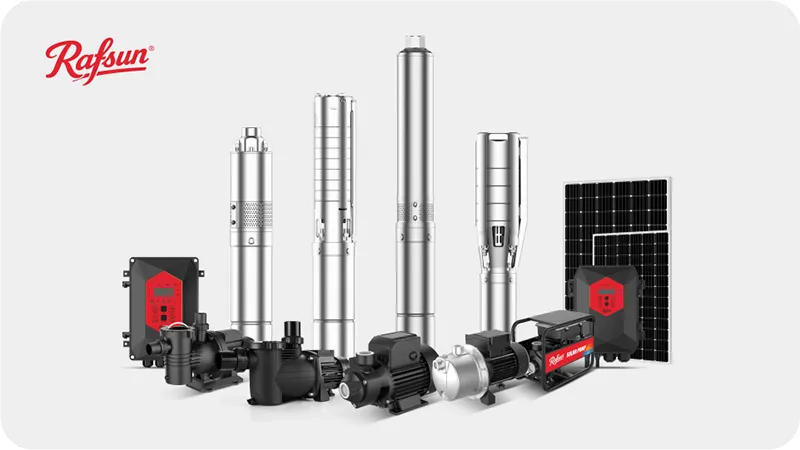
Special-purpose pumps are engineered for specific scenarios that standard pumps can’t address. This includes solar pumps for off-grid water access, submersible pumps for deep wells and drainage, and macerator pumps for basement plumbing. Each offers a targeted solution for a distinct pumping problem.
Many water pumping needs fall outside the scope of typical residential or industrial systems.
These situations demand pumps designed with specific environments, power sources, or fluids in mind.
These are known as special-purpose pumps.
They solve problems where traditional solutions are impractical or impossible.
For example, providing water to remote agricultural land or installing a bathroom below the main sewer line requires a specialized approach.
Understanding these pumps opens up possibilities for projects that would otherwise be unfeasible.
Let’s look at three key types: solar, submersible, and macerator pumps.
Solar Water Pumps
Solar pumps are a game-changer for off-grid water supply.
They use photovoltaic (PV) panels to convert sunlight directly into electricity to power the pump.
This technology is vital in remote areas for irrigation, livestock watering, and providing drinking water.
- How they work: A solar panel array is connected to a specialized pump controller. The controller manages the power from the panels and drives the pump motor, often a highly efficient DC motor. Many modern systems use Maximum Power Point Tracking (MPPT) technology, which optimizes the power output from the solar panels, increasing water output by up to 30% throughout the day.
- Types: Solar pump systems can be submersible for wells or surface-mounted for ponds and streams.
- Advantages: The primary benefit is zero operational energy cost and complete independence from the electrical grid. They are also environmentally friendly and require very little maintenance.
Submersible Pumps
As their name suggests, submersible pumps are designed to operate while fully immersed in water.
This design offers several distinct advantages.
- Deep Well Pumping: For drawing water from deep wells, a submersible pump is the only practical choice. Surface pumps can typically only lift water from about 7-8 meters due to atmospheric pressure limits. Submersible pumps push water up from the bottom of the well, allowing them to service depths of hundreds of meters.
- Drainage and Sump Pits: They are also widely used in sump pits to prevent basement flooding and for dewatering construction sites. Their submerged operation makes them quiet and self-priming.
- Construction: They are housed in a sealed, waterproof casing. The motor is directly coupled to the pump and is cooled by the surrounding water, which allows for a more compact and efficient design.
Macerator Pumps
Macerator pumps solve a common plumbing problem: installing a toilet or bathroom in a location without conventional gravity drainage.
- Function: These pumps are typically installed in a small box directly behind a toilet. When the toilet is flushed, the pump activates. It uses high-speed rotating blades to grind waste and toilet paper into a fine slurry.
- Pumping Action: The powerful integrated pump then discharges this slurry through a small-diameter pipe (as small as 25mm or 1 inch) upwards or horizontally to the main sewer line. This avoids the need for costly and disruptive construction to install large-diameter gravity drain pipes.
| Pump Type | Core Function | Key Benefit | Typical Application |
|---|---|---|---|
| Solar Pump | Uses solar energy to power a pump. | No electricity cost; grid independence. | Remote irrigation, village water supply. |
| Submersible Pump | Operates while fully submerged in fluid. | Pushes water from great depths. | Deep wells, boreholes, sump pits. |
| Macerator Pump | Grinds waste and pumps it to a distant sewer line. | Allows plumbing installation below the sewer line. | Basement bathrooms, mobile homes. |
Key Factors for Selecting the Right Pump
You know the pump types, but how do you choose?
Guessing can lead to buying an undersized or oversized pump.
This wastes both money and energy.
Let’s pinpoint the exact factors to guarantee the perfect choice.
Selecting the best pump requires analyzing several key factors: fluid properties (viscosity, temperature), required flow rate (GPM/LPM), pressure or head (feet/meters), suction conditions (lift or flooded), and the available power source. A thorough evaluation of these criteria ensures optimal performance, efficiency, and longevity.
Choosing the right pump is a critical decision that impacts the long-term performance and cost of your entire system.
A systematic approach is far more effective than guesswork.
You must become a detective, gathering clues about your specific application.
By carefully evaluating a set of core parameters, you can confidently narrow down the options and select a pump that is perfectly matched to your needs.
This process prevents common pitfalls like premature failure, high energy consumption, and inadequate performance.
Below, we break down the most critical factors to consider in your selection process.
1. Fluid Characteristics
The type of fluid you are moving is the first and most important consideration.
- Viscosity: This is a fluid’s resistance to flow. Water has a low viscosity. Honey has a high viscosity. Centrifugal pumps are great for low-viscosity fluids, while positive displacement pumps are necessary for high-viscosity liquids.
- Temperature: Pumps are built with materials that have specific temperature limits. Pumping hot fluids requires pumps with appropriate seals, gaskets, and casing materials to prevent failure. Some components may need to withstand temperatures over 100°C.
- Abrasives/Solids: If the fluid contains sand, grit, or other solids, you need a pump designed to handle them. This might mean a vortex impeller centrifugal pump or a diaphragm pump, which can pass solids without clogging or rapid wear.
2. Flow Rate and Head (Pressure)
These two factors define the pump’s performance requirements.
- Flow Rate (Q): This is the volume of fluid you need to move in a given amount of time. It’s typically measured in gallons per minute (GPM), liters per minute (LPM), or cubic meters per hour (m³/h).
- Total Dynamic Head (TDH): This is the total pressure the pump must generate to move the fluid from the source to the destination. It is the sum of three components:
- Static Head: The vertical height difference between the source fluid level and the final discharge point.
- Friction Head: The pressure lost due to friction as the fluid moves through pipes and fittings. Longer pipes and more bends increase friction head.
- Pressure Head: Any additional pressure required at the destination (e.g., to spray water from a nozzle).
3. Suction Conditions (NPSH)
How the fluid gets into the pump is crucial.
- Net Positive Suction Head (NPSH): This is a critical calculation. It compares the absolute pressure at the pump’s suction inlet to the liquid’s vapor pressure.
- NPSHa > NPSHr: You must ensure the NPSH available (NPSHa) from your system is greater than the NPSH required (NPSHr) by the pump. The pump’s NPSHr is provided by the manufacturer.
- Cavitation: If NPSHa is too low, the liquid can vaporize inside the pump, forming bubbles that collapse violently. This process, called cavitation, is extremely destructive and can ruin an impeller in a short time. It sounds like pumping gravel.
4. Power Source and Efficiency
Consider your available power.
- Power Supply: Is AC electricity (single-phase or three-phase) available? Or do you need a DC-powered pump for a solar or battery system? The voltage and phase must match the pump motor.
- Energy Efficiency: With rising energy costs, efficiency is key. Look for pumps with high-efficiency motors. For systems with variable demand, a Variable Speed Drive (VSD) or Variable Frequency Drive (VFD) can offer massive energy savings, often between 30% and 60%, by matching pump speed to the exact flow and pressure needed. This also provides a rapid return on investment.
Conclusion
Choosing the "best" pump means matching the pump type to your specific needs.
Analyze your fluid, flow, pressure, and power source to find your ideal, efficient, and reliable solution.
FAQs
What are the two main types of pumps?
The two main categories are dynamic pumps (like centrifugal) that use velocity to create pressure, and positive displacement pumps that move a fixed volume of fluid.
How do I choose a water pump for my house?
For home use, assess your needs. A booster pump increases pressure, a submersible pump is for wells, and a circulation pump is for hot water systems. A VSD booster is often best for stable pressure.
How many HP pump is required for a 3-story building?
A 1 to 1.5 HP booster pump is typically sufficient for a 3-story building, but this depends on the number of bathrooms and desired flow rate. A detailed assessment is recommended.
What is the difference between a water pump and a motor?
A pump is the mechanical device that moves fluid (the pump end). A motor is the power source (electric, gas) that drives the pump. They are two separate components often sold as a single unit.
Can a pump increase water pressure?
Yes, booster pumps are specifically designed to increase water pressure in a plumbing system. They are commonly used in homes and buildings with low municipal water pressure.
What happens if a pump is oversized?
An oversized pump operates inefficiently, wasting significant energy. It can also cause excessive velocity in pipes, leading to water hammer, noise, and erosion of system components.
How long should a water pump last?
A well-maintained, correctly sized water pump should last 8 to 15 years. Factors like water quality, operating hours, and maintenance practices greatly influence its lifespan.